This article explores effective medical treatment for female hair loss, including FDA-approved options like Minoxidil, Finasteride, and Platelet-Rich Plasma (PRP) therapy.
It also covers hair transplant options like FUE and FUT, offering expert advice on choosing the right treatment, recovery timelines, and post-treatment care. Whether you’re experiencing thinning or bald patches, this guide provides actionable insights for restoring your hair and confidence.
Introduction
Hair loss is a distressing issue that affects many women at different stages of life. Whether it’s thinning hair, bald spots, or overall hair thinning, it can have a significant impact on self-esteem and confidence.
We’ll explore medical treatments for female hair loss, from FDA-approved options to advanced therapies like hair transplants. Learn about the most effective solutions, expert-backed advice, and what you can expect from each treatment. Restore your confidence and your hair with the right treatment plan.

Understanding Female Hair Loss: Causes and Risk Factors
Common Causes of Female Hair Loss
Hair loss in women can be triggered by a variety of factors. Some of the most common include:
- Genetics: Female pattern baldness is a hereditary condition that affects many women as they age.
- Hormonal Imbalances: Pregnancy, menopause, and thyroid problems can significantly impact hair health.
- Medical Conditions: Polycystic ovary syndrome (PCOS), iron deficiency, and other medical conditions may also contribute to hair thinning.
- Stress and Lifestyle: High levels of stress, poor diet, and lack of proper hair care can accelerate hair loss.
Risk Factors for Female Hair Loss
Several factors increase the risk of experiencing hair loss, including:
- Age: As women age, hair naturally becomes thinner, and hormonal changes during menopause can contribute to more noticeable thinning.
- Family History: If your mother or grandmother experienced hair loss, you might be at a higher risk.
- Diet and Nutrition: Poor nutrition, such as deficiencies in iron, zinc, or vitamins, can weaken hair follicles.
Medical Treatments for Female Hair Loss: An Overview
Top FDA-Approved Treatments
- Minoxidil (Rogaine): The most common topical treatment for female hair loss, available over-the-counter. It works by stimulating hair follicles and promoting hair regrowth.
- Finasteride (Propecia): Though typically prescribed to men, finasteride can also be effective for some women suffering from hormonal hair loss, though it requires medical supervision.
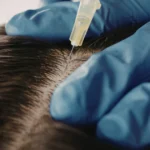
- Platelet-Rich Plasma (PRP) Therapy: PRP therapy uses your blood’s platelets to stimulate hair growth in thinning areas. It’s often considered for women with more severe hair loss.
Hormonal Treatments
- Birth Control Pills: Some birth control pills can help balance hormones and prevent hair loss, particularly if it’s linked to hormonal fluctuations.
- Anti-androgens: Drugs like spironolactone block male hormones that contribute to hair thinning in women.
Hair Transplants for Women
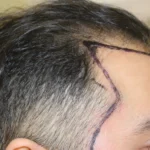
Hair transplants are a permanent solution to hair loss. Two common procedures are:
- FUE (Follicular Unit Extraction): This technique involves extracting individual hair follicles and transplanting them to the thinning areas.
- FUT (Follicular Unit Transplantation): FUT involves removing a strip of scalp tissue and dissecting it into follicular units for transplantation.
Topical and Prescription Treatments
- Corticosteroid Injections: These injections help reduce inflammation and can be useful for treating conditions like alopecia areata.
- Anti-fungal Treatments: If your hair loss is due to fungal infections on the scalp, topical or oral anti-fungal medications may be prescribed.
How to Choose the Right Treatment for Female Hair Loss
Assessing Your Hair Loss Severity
Before starting any treatment, it’s important to assess the severity of your hair loss. Tools like scalp analysis and trichoscopy (a specialised hair and scalp diagnostic tool) can help determine the cause and extent of hair thinning.
Consultation with a Dermatologist or Trichologist
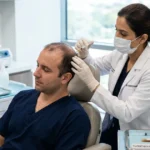
A dermatologist or trichologist (a specialist in hair and scalp health) can offer a personalised treatment plan tailored to your specific hair loss type. Professional evaluation is essential for ensuring that you choose the most effective solution.
Safe Recovery After Hair Loss Treatment: What to Expect
How Long Does it Take to See Results?
- Minoxidil: Typically, it takes 3 to 6 months to notice visible regrowth, although results may vary.
- PRP Therapy: Most people begin seeing results within 3 to 6 months, with noticeable improvements after 6 months of regular treatments.
- Hair Transplants: The initial healing period for hair transplants is 1 to 2 weeks, with full results visible within 6 to 12 months as the transplanted hair grows.
Common Side Effects and How to Manage Them
- Minoxidil: Mild scalp irritation, dryness, or itching may occur. These side effects typically subside after a few weeks.
- PRP Therapy: Swelling, redness, and mild discomfort at the injection sites are common but usually temporary.
- Hair Transplants: Swelling, scabbing, and mild discomfort in the donor and recipient areas may occur. Follow post-surgery instructions to minimise risks.
Expert Tips for Post-Treatment Care
- Scalp Care: Keep the scalp clean and moisturised, and avoid applying harsh chemicals or styling products immediately after treatment.
- Sun Protection: Protect your scalp from excessive sun exposure, especially after a hair transplant, as it can hinder recovery.
Recovery Timeline for Hair Transplant & PRP Treatments
What is the Typical Recovery Time After a Hair Transplant?
- Initial Healing: The first 7 to 10 days after the transplant are crucial for recovery. During this time, follow the care guidelines provided by your surgeon, including avoiding direct sun and strenuous activities.
- Full Recovery: Full recovery and visible hair regrowth typically occur within 6 to 12 months.
PRP Therapy: How Quickly Does Hair Regrowth Occur?
- Sessions: Most people need 3 to 6 sessions of PRP therapy, spaced 4 to 6 weeks apart.
- Results Timeline: Results are generally visible 3 to 6 months after starting treatment.
Expert Recommendations and Insights for Managing Hair Loss
What Experts Say About Preventing Hair Loss
- Diet and Lifestyle: Experts recommend a balanced diet rich in vitamins and minerals to support hair health.
- Hormonal Balance: Regular check-ups with a healthcare provider to monitor hormonal levels can help prevent hair loss related to hormonal changes.

FAQs About Medical Treatments for Female Hair Loss
Can medical treatments completely reverse female hair loss?
Medical treatments can slow down or reverse hair loss in some cases, but results vary. For best results, early intervention is key.
Are there any side effects to using Minoxidil for female hair loss?
Side effects like scalp irritation, itching, and dryness are common but typically subside with continued use.
What are the costs involved in hair transplants for women?
The cost of hair transplants varies depending on the procedure, clinic, and region, but generally ranges from $4,000 to $15,000.
How effective are hormonal treatments for women suffering from hair loss?
Hormonal treatments like birth control or anti-androgens can be effective for women with hair loss linked to hormonal imbalances, but they require careful monitoring by a healthcare provider.
Is PRP therapy suitable for all types of hair loss?
PRP therapy is most effective for androgenetic alopecia (female pattern baldness), but can also help with other types of hair thinning. Consult a professional for personalised advice.
Can diet affect the success of hair loss treatments?
Yes, a nutrient-rich diet can support the effectiveness of hair loss treatments. Include protein, iron, and vitamins like biotin to promote healthy hair growth.
Next Step
Ready to take control of your hair health? Book a consultation with one of our specialists to explore your options for medical treatment. Whether you’re considering Minoxidil, PRP, or a hair transplant, our team can create a personalised plan to help you achieve the hair you’ve always wanted