Benefits of magnesium after hair transplant can be significant because magnesium supports the body’s natural recovery processes. It may help improve sleep, reduce stress, support muscle relaxation, maintain healthy circulation, and assist normal cell repair during healing. While magnesium does not directly create new transplanted hair or guarantee faster growth, it can improve the overall recovery environment, especially in people who are deficient in this essential mineral. When combined with proper aftercare, hydration, nutrition, and expert guidance from specialists such as Dr. Rana Irfan, magnesium may contribute to a smoother recovery after hair restoration surgery.
Introduction
Recovering properly after a procedure is one of the most important factors in achieving the best hair restoration results. Many patients ask whether magnesium after hair transplant is helpful and whether it can improve healing or hair growth. The simple answer is that magnesium may support recovery indirectly by helping the body manage stress, improve sleep quality, maintain nerve and muscle function, and assist tissue repair.
For patients researching magnesium after hair transplant, it is important to understand that magnesium is not a miracle treatment. It cannot replace proper surgical technique, graft placement, or post-operative care. However, it can be a useful part of a balanced recovery plan when used appropriately. Many people also explore magnesium supplements after hair transplant, along with other vitamins after hair transplant, to help the body recover efficiently.
Does Magnesium Help After a Hair Transplant?
Yes, magnesium may help after a hair transplant, but mainly by supporting the body rather than directly affecting the transplanted grafts. It contributes to hundreds of biochemical processes in the body, including energy production, nerve regulation, muscle relaxation, and protein synthesis.
This means magnesium for hair transplant healing may be useful because recovery requires the body to repair tissue, regulate inflammation, and maintain good circulation. Better sleep and lower stress levels may also indirectly support healing.
At the same time, magnesium should not be viewed as a shortcut for magnesium for transplanted hair growth. Hair growth after transplant follows a natural cycle that depends more on graft survival, genetics, scalp health, and time than on any single supplement.
Why Magnesium Matters After Hair Transplant Surgery
Magnesium’s Role in Healing and Cell Repair
After surgery, the scalp needs time to recover from tiny incisions and graft placement. Magnesium helps normal cellular processes involved in tissue maintenance and repair. It also supports protein synthesis, which is important because hair is made largely of protein.
How Magnesium Supports the Nervous System
Many patients feel anxious before and after surgery. Magnesium helps regulate the nervous system and may support calmness. This is one reason people use magnesium for stress after hair transplant during recovery.
Why Mineral Balance Matters After Surgery
A healthy recovery requires balance in nutrients such as magnesium, zinc, iron, vitamin D, and protein. If one area is lacking, the body may not function optimally. Magnesium works best as part of a complete nutritional approach rather than as a stand-alone solution.
Top Benefits of Magnesium After Hair Transplant
May Help Reduce Stress During Recovery
Stress can affect sleep, mood, and overall recovery habits. Magnesium is often associated with relaxation and nervous system support. A calmer recovery period may help patients follow washing instructions, medication schedules, and lifestyle advice more consistently.
Related: How Stress Affects Hair and What You Can Do About It
Can Improve Sleep Quality After Surgery
Sleep is when much of the body’s repair activity occurs. Some patients struggle to sleep comfortably in the first week after transplant because of sleeping position changes or anxiety. Magnesium may help relaxation, making rest easier.
Supports Healthy Blood Circulation
Normal circulation helps deliver oxygen and nutrients throughout the body. While magnesium does not target grafts directly, healthy circulation supports general healing functions.
Helps Muscle Relaxation and Reduces Tension
Patients who experience jaw tightness, neck stiffness, or tension after surgery may appreciate magnesium’s role in muscle function.
May Reduce Fatigue and Low Energy
Low magnesium levels can contribute to tiredness. If deficiency is present, correcting it may improve energy and overall well-being.
Supports Overall Scalp and Skin Health
Healthy skin recovery depends on hydration, nutrients, and normal repair processes. Magnesium can contribute to this broader foundation.
Can Magnesium Improve Hair Growth After Transplant?
Indirect Support for Healthy Follicle Function
There is interest in magnesium and hair regrowth after transplant, but its role is supportive rather than direct. Hair follicles function best when the body is healthy, stress is controlled, and nutrient levels are balanced.
What Magnesium Can and Cannot Do
Magnesium can support the environment in which hair grows. It cannot force grafts to grow faster than their natural timeline. Most transplanted hair sheds first, then gradually regrows over several months.
Does It Increase Hair Thickness?
Magnesium does not change the genetic thickness of donor hair. If someone is deficient, correcting the deficiency may improve hair quality overall, but it will not transform naturally fine hair into coarse hair.
Is Magnesium Good for Swelling and Inflammation After Hair Transplant?
Possible Role in Recovery Comfort
Magnesium may help the body regulate normal physiological processes, which can support comfort during recovery. It plays a role in muscle relaxation, fluid balance, and nerve function, all of which can influence how the body feels after surgery. Some people report feeling more relaxed, less tense, and better able to rest when their magnesium intake is adequate. Since stress can sometimes worsen the perception of discomfort, magnesium may indirectly make the recovery phase feel smoother. However, it should be viewed as supportive care rather than a direct treatment for swelling or inflammation after a hair transplant.
What Helps More Than Supplements
For swelling after transplant, the most effective measures are usually practical aftercare steps recommended by your surgeon. These include following surgeon aftercare instructions carefully, sleeping with the head elevated to reduce fluid buildup, using prescribed medication if needed, staying hydrated, and avoiding strenuous activity early on. Cold compresses on the forehead area may also be suggested in some cases, depending on the surgeon’s protocol. These strategies usually matter far more than supplements alone because they directly address the common causes of post-operative swelling.
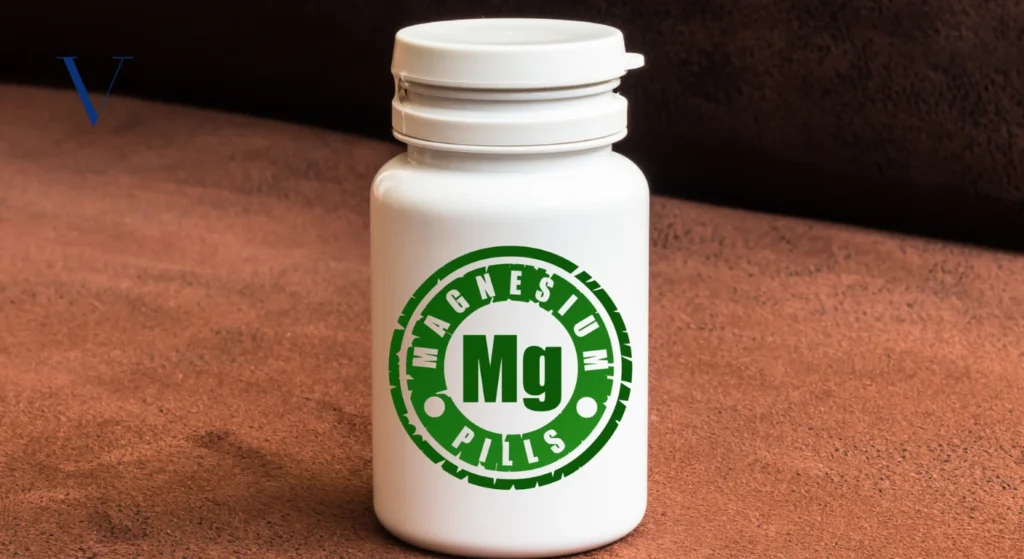
Signs You May Need Magnesium After Hair Transplant
Poor Sleep
If you struggle to rest well, magnesium may be worth discussing with your doctor. Many people experience temporary sleep disruption after surgery due to discomfort, anxiety, or needing to sleep in a different position. Magnesium supports relaxation and may help improve sleep quality when low levels are contributing to the issue.
Stress or Anxiety
Recovery can feel emotionally intense, especially for patients who are worried about results or nervous about touching the grafts. Magnesium may support calmness by helping regulate the nervous system. While it is not a replacement for stress management habits, it can be part of an overall recovery routine.
Muscle Cramps
Cramps, tightness, or twitching can sometimes be linked to low magnesium levels. Stress, dehydration, and changes in routine after surgery may also contribute. If cramps appear frequently, magnesium status and hydration levels may be worth reviewing.
Low Dietary Intake
If your diet lacks leafy greens, nuts, seeds, legumes, and whole foods, magnesium intake may be lower than ideal. Recovery is a time when nutritional needs become more important, so improving food quality can be beneficial for both healing and general health.
Fatigue and Weakness
Persistent tiredness may have many causes, one of which can be mineral deficiency. Magnesium helps energy production at the cellular level, so low intake may contribute to feeling drained. If fatigue continues, broader evaluation may be needed because sleep quality, iron levels, hydration, and stress can also play a role.
Best Sources of Magnesium for Hair Transplant Recovery
Magnesium-Rich Foods
Food is usually the best first option because it also provides fiber, antioxidants, vitamins, and other supportive nutrients. Good sources include spinach, pumpkin seeds, almonds, avocado, beans, dark chocolate, cashews, whole grains, and leafy greens. These foods not only provide magnesium but also support overall recovery by improving diet quality. A balanced plate is often more valuable than relying on one nutrient alone.
Magnesium Supplements
Some people choose magnesium supplements after hair transplant when diet alone is not enough. This may be helpful for those with confirmed deficiency, poor appetite, or limited food choices. Supplements should be selected based on need, digestive tolerance, and professional guidance, as different forms absorb differently and may cause different side effects.
Food vs Supplement: Which Is Better?
Food is generally preferred for routine wellness because nutrients from food come with other beneficial compounds and are less likely to cause side effects. Supplements can be useful when deficiency exists or intake is inadequate. In many cases, the best approach is improving diet first and using supplements only when there is a clear reason.
Which Type of Magnesium Is Best After Hair Transplant?
Magnesium Glycinate for Sleep & Calmness
Often chosen by people seeking relaxation and gentle digestion support, magnesium glycinate is commonly considered one of the better-tolerated forms. It may be useful for those dealing with stress, poor sleep, or tension during recovery.
Magnesium Citrate for Constipation Support
Sometimes useful if post-operative medication causes constipation, magnesium citrate can help bowel movements. However, it may loosen stools in some people, so it should be used carefully and at appropriate doses.
Magnesium Malate for Energy
Often marketed for energy support and fatigue, magnesium malate is sometimes preferred by people who feel sluggish or low in stamina. Evidence varies, but some users find it suitable for daytime use.
Which Forms May Upset the Stomach?
Some forms may cause digestive discomfort depending on dose and sensitivity. Magnesium oxide, for example, is commonly associated with stomach upset or loose stools in some individuals. Start cautiously, follow dosage guidance, and consult a professional if you are unsure which form suits you best.
How Much Magnesium Should You Take After Hair Transplant?
General Daily Needs for Adults
Daily magnesium needs vary by age, sex, diet, and health status. Many adults require several hundred milligrams daily from food and, if necessary, supplements. Men often need slightly more than women, but personal needs depend on lifestyle, nutrition, and medical background.
Safe Supplement Ranges
Exact doses depend on the product and the person. More is not always better, and excessive supplementation may lead to diarrhea, nausea, or other side effects. It is usually smarter to start conservatively rather than assume higher doses mean better results.
Why Doctor Guidance Matters
If you recently had surgery, it is best to ask your surgeon or physician before starting new supplements. They can assess whether magnesium is actually needed and whether it may interact with medications or medical conditions.
When Should You Start Magnesium After Hair Transplant?
Before Surgery or After Surgery?
Some patients optimize nutrition before surgery, while others begin afterward. Building healthy nutrient levels before the procedure can support general wellness, but any supplement use should be disclosed to the surgeon beforehand.
First Week Recovery Considerations
During the first week, focus primarily on medications, hydration, wound care, and sleep. If magnesium is used during this time, it should not distract from the essential aftercare instructions that directly protect the grafts.
Long-Term Use vs Short-Term Use
Long-term use may be reasonable if dietary intake is poor or deficiency exists. Short-term use may be enough for temporary stress, sleep support, or muscle tension during the recovery phase. The ideal duration depends on the reason for taking it.
Is Magnesium Safe After Hair Transplant?
Common Side Effects
Possible side effects include loose stools, nausea, stomach upset, and cramping if taken in excess or in a poorly tolerated form. Taking magnesium with food may reduce digestive discomfort for some people.
Who Should Be Careful
People with kidney disease, heart rhythm concerns, or complex medical conditions should seek medical advice first. Reduced kidney function can affect how magnesium is processed in the body.
Interactions With Medications
Magnesium can interfere with absorption of certain medications such as some antibiotics or thyroid medicine if taken at the same time. Spacing doses apart may help, but this should be confirmed with a healthcare professional.
Magnesium vs Other Supplements After Hair Transplant
Magnesium vs Zinc
Zinc plays a role in tissue repair, immune function, and normal healing processes. Magnesium is stronger for relaxation, nerves, muscle support, and sleep quality. Both can be useful depending on the individual need.
Magnesium vs Biotin
Biotin is often marketed for hair, though it mainly helps if deficiency exists. Magnesium supports broader body systems such as stress response, energy production, and nerve function rather than acting as a hair-specific supplement.
Magnesium vs Vitamin D
Vitamin D is important for many functions including immune regulation, bone health, and general wellness. Magnesium also helps vitamin D metabolism, which means the two nutrients can work together.
Which Supplements Matter Most?
The best supplement plan depends on lab values, diet, scalp condition, and individual health rather than trends. Personalized recommendations are usually more effective than copying generic online advice.
Related: Can I Take Magnesium After PRP Injection? A Complete Guide
What Hair Transplant Surgeons Usually Recommend
Hydration First
Proper hydration supports circulation, energy levels, and recovery better than many people realize. Even mild dehydration can make people feel worse during the healing phase.
Balanced Nutrition
Protein, fruits, vegetables, healthy fats, and minerals matter more than chasing one supplement. A nutrient-dense diet provides the building blocks needed for recovery and long-term hair health.
Only Use Supplements If Needed
Experienced professionals such as Dr. Rana Irfan often focus on evidence-based recovery rather than unnecessary products. Personalized guidance is always better than guessing, especially when patients are already taking medications or multiple supplements.
Common Myths About Magnesium After Hair Transplant
Magnesium Instantly Grows Hair
False. Hair transplant growth follows a biological timeline that includes shedding, dormancy, and gradual regrowth over months. Magnesium cannot bypass this natural process.
More Magnesium Means Better Results
False. Excess intake can cause side effects such as diarrhea or stomach upset and does not guarantee better healing or faster hair growth.
Everyone Needs Supplements After Surgery
False. Many people recover well with strong nutrition, hydration, and standard aftercare alone. Supplements are most useful when there is a real need rather than as a routine habit for everyone.
Conclusion: Are the Benefits of Magnesium After Hair Transplant Worth It?
Yes, magnesium after hair transplant can be worth considering when used realistically. It may support sleep, stress control, muscle relaxation, energy levels, and overall recovery health. However, it does not replace surgical expertise, proper aftercare, or patience during the growth cycle.
If you are considering supplements after surgery, consult a qualified specialist such as Dr. Rana Irfan or your treating surgeon to ensure they fit your recovery plan. The best results usually come from a combination of excellent technique, healthy lifestyle habits, and consistent aftercare.
Frequently Asked Questions
Can magnesium help graft survival after hair transplant?
Not directly. Graft survival depends more on surgical handling, placement, scalp care, and blood supply.
Does magnesium reduce swelling after hair transplant?
It may support comfort indirectly, but standard aftercare methods are usually more effective.
Can I take magnesium with antibiotics after surgery?
Sometimes yes, but magnesium can affect absorption of certain antibiotics. Ask your doctor and separate timing if advised.
Is magnesium glycinate good after hair transplant?
Many people prefer it for calmness and sleep support because it is often well tolerated.
Does magnesium make transplanted hair thicker?
No. It does not change the natural thickness of transplanted donor hair.