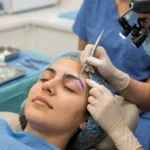
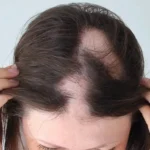
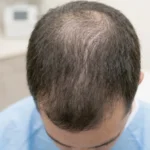
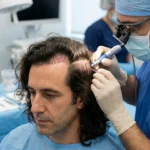
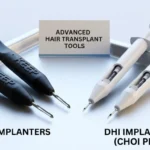
The difference between DHI and FUE hair transplant lies primarily in the technique used for hair follicle extraction and implantation. DHI (Direct Hair Implantation) is a more advanced method compared to FUE (Follicular Unit Extraction), with DHI allowing for greater precision and less damage to the follicles. The key difference also lies in the implantation process, where DHI uses a specialized pen (Choi implanter) to directly insert the follicles, unlike FUE, which requires the use of a separate tool for insertion after extraction. Both methods have distinct advantages, but the choice depends on factors such as hair loss severity, recovery time, and personal preferences.
Introduction:
When considering a hair transplant, understanding the difference between DHI and FUE hair transplant can help you make an informed decision. Both DHI (Direct Hair Implantation) and FUE (Follicular Unit Extraction) are popular techniques for restoring hair, but they differ in several key aspects. In this blog, we’ll compare the two methods, explaining their procedures, benefits, and which one might be the best for your needs. Whether you’re looking to restore a receding hairline or add volume to thinning areas, understanding these differences is crucial in achieving the best possible outcome.
Overview of Hair Transplantation Techniques:
Hair transplantation has become a life-changing solution for individuals suffering from hair loss. The two most common methods are FUE and DHI, both of which involve extracting hair follicles from a donor area (usually the back of the head) and implanting them in the balding areas.
However, the procedures differ significantly in how the follicles are extracted and implanted.
Why Choosing the Right Technique Matters:
Choosing between DHI and FUE is important because the procedure affects not only the results but also the recovery time, cost, and the overall experience. Understanding these differences helps ensure that you pick the right method for your needs, expectations, and hair type.
What is FUE (Follicular Unit Extraction)?
Explanation of FUE Procedure:
FUE (Follicular Unit Extraction) is a method where individual hair follicles are extracted directly from the scalp using a small circular punch. This method does not involve the removal of a strip of skin, making it a minimally invasive procedure.
How FUE Works:
During FUE, the surgeon uses a micro punch tool to extract hair follicles one at a time from the donor area. These follicles are then prepared and reimplanted into tiny incisions made in the recipient area. The whole process is meticulous, but it’s known for being effective and leaving minimal scarring.
Benefits of FUE:
- Minimally invasive: No need for large incisions or stitches.
Natural look: Results are more natural-looking as the follicles are placed one by one. - No linear scar: Unlike FUT (Follicular Unit Transplantation), FUE leaves no visible scarring in the donor area.
Ideal Candidates for FUE:
- Best for individuals with mild to moderate hair loss.
- Suitable for people who prefer shorter hairstyles as it leaves minimal visible scarring.
What is DHI (Direct Hair Implantation)?
Explanation of DHI Procedure:
DHI (Direct Hair Implantation) is a more advanced version of FUE. In this procedure, hair follicles are extracted using the same micro-punch tool but are implanted using a specialized pen-like device known as the Choi implanter. This device allows the surgeon to directly implant the follicles into the scalp without creating holes or incisions first.
How DHI Works:
The DHI technique extracts the follicles one by one, and then directly implants them into the recipient area with a specialized pen that controls depth, angle, and direction of hair growth. This level of precision allows for a more natural result and greater control over the final appearance.
Benefits of DHI:
- More precision: The Choi implanter ensures that each follicle is inserted at the perfect angle and depth.
- Faster recovery: As there is no incision involved, recovery time is typically quicker.
- No need for a scalp incision: This reduces the risk of scarring and infection.
Ideal Candidates for DHI:
- Best for individuals with more severe hair loss.
- Ideal for people who want a higher level of precision and a quicker recovery.
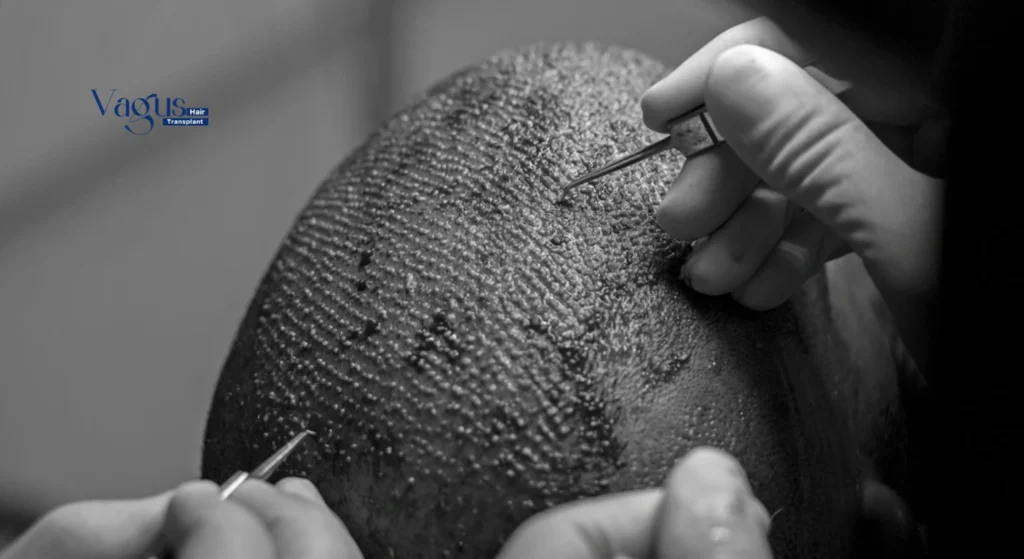
Key Differences Between DHI and FUE
| Aspect | FUE | DHI |
| Extraction Method | Follicles are extracted with a punch tool. | Follicles are extracted similarly but implanted directly using the Choi implanter. |
| Implantation Process | Follicles are manually implanted into the scalp | Direct implantation with the Choi implanter ensures greater precision and control. |
| Precision and Control | Less precision in terms of angle and depth | High precision and control over follicle placement, ensuring a more natural look. |
| Hair Growth Direction | Placement of follicles may vary slightly, affecting the direction of hair growth. | Direct implantation allows perfect alignment with the natural direction of hair growth |
Comparison of Recovery Time: DHI vs. FUE
Recovery After FUE:
- Recovery time for FUE is generally around 7-10 days, with swelling and redness typically reducing within the first week. Full recovery may take several months.
Recovery After DHI:
- DHI recovery is typically quicker because the procedure avoids the need for incisions. Most patients can resume normal activities within a few days.
Which Procedure Has a Faster Recovery?
DHI offers a quicker recovery time due to its precision and lack of incision, while FUE may take slightly longer for full recovery.
Cost Comparison: DHI vs. FUE
Typical Costs of FUE:
FUE hair transplants tend to be less expensive compared to DHI, with costs ranging from $4,000 to $15,000 depending on the number of grafts and the clinic’s location.
Typical Costs of DHI:
DHI is generally more expensive than FUE, with costs ranging from $5,000 to $15,000 or more due to the advanced technology and precision involved.
Factors That Affect the Price:
- Clinic reputation
- Geographical location
- Number of grafts
- Surgeon expertise
Results: Which One Offers Better Outcomes?
Long-Term Results of FUE:
FUE typically results in natural, long-lasting hair growth, though it can take 6-12 months to see full results.
Long-Term Results of DHI:
DHI also provides long-lasting results with a slightly quicker recovery time and more controlled hair growth angles.
Success Rates and Hair Density:
Both techniques are highly successful, but DHI offers slightly higher density and a more natural look due to the precision of implantation.
Pain and Comfort: FUE vs. DHI
Pain Management in FUE:
FUE is performed under local anesthesia, making it relatively pain-free. There might be mild discomfort during recovery.
Pain Management in DHI:
DHI is also performed under local anesthesia, with many patients reporting less discomfort due to the minimally invasive technique.
Which Procedure is Less Painful?
Both procedures are generally pain-free during the operation, but DHI may offer less discomfort during recovery due to its precision.
Suitability for Different Types of Hair Loss
Best Candidates for FUE:
FUE is ideal for individuals with mild to moderate hair loss and those who want minimal scarring.
Best Candidates for DHI:
DHI is ideal for individuals with more significant hair loss or those seeking more precision and faster recovery.
Which Procedure is Best for Your Hair Type?
- FUE: Suitable for most hair types and loss patterns.
- DHI: Ideal for those seeking a more personalized approach with greater precision.
Which is Right for You: DHI or FUE?
Factors to Consider When Choosing Between DHI and FUE:
- Budget: DHI may be more expensive.
- Recovery time: DHI offers quicker recovery.
- Hair type and density: Consider the level of precision required for your hair type.
Professional Recommendations:
Consult with a qualified hair transplant surgeon to determine which method suits your specific needs.
Final Thoughts
Choosing between DHI and FUE ultimately depends on your unique hair loss situation, budget, and preferences. DHI offers greater precision, a quicker recovery time, and more natural results, while FUE remains a cost-effective option with a proven track record.
If you’re considering a hair transplant and want to make the best decision for your hair restoration journey, Contact us today to schedule a personalized consultation and take the first step toward regaining your confidence with a hair transplant procedure tailored to your needs.
Frequently Asked Questions
1.Which hair transplant method is more affordable, FUE or DHI?
FUE is generally more affordable than DHI, though prices vary by clinic and location.
2.How long does it take to recover after a hair transplant?
Recovery from FUE usually takes about 7-10 days, while DHI recovery is faster, with many patients resuming normal activities within a few days.
3.Which method offers more precision, FUE or DHI?
DHI provides more precision due to the use of the Choi implanter, ensuring greater control over hair direction and placement.