Direct Hair Implantation (DHI) is an advanced hair restoration procedure that provides natural-looking results with minimal scarring and faster recovery times. Unlike traditional methods, DHI offers precision in hair follicle placement, ensuring high-density, evenly distributed hair growth. This blog will dive deep into the process, benefits, ideal candidates, and key differences between DHI and other hair transplant methods.
Introduction
Direct Hair Implantation (DHI) is one of the most innovative and advanced hair restoration techniques available today. It’s designed to address hair loss and thinning by transplanting healthy hair follicles directly into the scalp. Unlike traditional methods like FUT (Follicular Unit Transplantation), DHI offers a more refined, precise approach with faster recovery times and natural results.
In this procedure, hair follicles are extracted one by one and implanted into the thinning areas without the need for incisions or stitches. The direct implantation ensures high precision and better control over hair follicle placement, making it an excellent choice for those seeking a non-invasive and efficient solution for hair restoration. Let’s dive deeper into how this procedure works, its benefits, and what makes it stand out from other hair transplant techniques.
How Does Direct Hair Implantation Work?
Step-by-Step Guide to the DHI Procedure
The process of Direct Hair Implantation involves several steps:
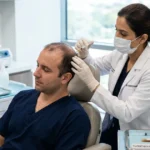
- Consultation and Assessment: The first step in the process is a detailed consultation with the surgeon to evaluate the hair loss pattern, assess the donor area, and determine the best course of action.
- Extraction of Hair Follicles: In DHI, hair follicles are extracted from the donor area using a specialized tool that ensures minimal damage to the follicles.
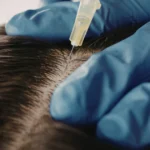
- Direct Implantation: Unlike traditional methods, there is no need to create incisions. Instead, a pen-like tool, often called the Choi Implanter Pen, is used to implant each follicle directly into the thinning or balding areas, ensuring a high level of precision and control.
- Post-Procedure Care: After the implantation, patients are given specific aftercare instructions to aid the recovery process and ensure optimal hair growth.
Tools and Techniques Used in DHI
- Choi Implant Pen: This tool plays a key role in the implantation process. Its needle-like structure allows for the precise placement of hair follicles, minimizing damage and ensuring that the natural growth pattern is maintained.
- No Incisions, No Stitches: One of the major advantages of DHI is that there is no need for scalp incisions or stitches, making the recovery process much faster and less painful.
Precision and Control in Hair Follicle Placement
The use of the Choi Pen ensures that each follicle is implanted at the optimal angle and depth, leading to a natural-looking hairline and an even distribution of hair. This precision also results in less trauma to the scalp and a lower risk of complications post-surgery.
Benefits of Direct Hair Implantation
Natural Results with DHI
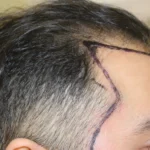
One of the most significant benefits of DHI is the ability to achieve highly natural-looking results. The precise placement of hair follicles ensures that the hairline looks realistic, with a flow that mirrors the natural growth pattern of hair.
Faster Recovery and Minimal Scarring
DHI’s unique implantation process means there is no need for stitches or scalp incisions, which translates to minimal scarring and faster healing times. Most patients can return to their normal activities within a few days.
High Precision and Density
Thanks to the advanced tools used in the procedure, DHI allows for high-density hair growth. The follicles are placed with incredible accuracy, ensuring a fuller, thicker head of hair. This is ideal for individuals with thinning hair or those looking to restore a receding hairline.
Who is a Good Candidate for Direct Hair Implantation?
Ideal Candidates for DHI
- Individuals with pattern baldness or thinning hair
- Those with healthy donor hair
- People looking for a non-invasive, minimally scarring solution for hair loss
Is DHI Right for Everyone?
While DHI is suitable for most people experiencing hair loss, there are a few factors that may disqualify a candidate, such as:
- Severe hair loss in the donor area
- Uncontrolled medical conditions like diabetes
- Scalp conditions that might hinder the implantation process
DHI vs FUE: What’s the Difference?
| Aspect | Direct Hair Implantation (DHI) | FUE Hair Transplant |
| Procedure | Follicles are directly implanted using a pen-like tool, no incisions. | Individual follicles are extracted and then implanted with incisions. |
| Recovery Time | Faster recovery due to no incisions. | Longer recovery due to small incisions made during the procedure |
| Cost | Can be more expensive due to specialized equipment and expertise | Generally less expensive than DHI |
Which Method is Better for You?
When deciding between DHI and FUE, it’s important to consider factors such as hair density needs, recovery time, and cost. DHI is typically ideal for individuals looking for a precise, natural-looking result with a faster recovery.
Cost of Direct Hair Implantation
What Influences the Cost of DHI?
The cost of DHI can vary depending on factors such as:
- Location of the clinic
- Reputation of the surgeon
- Number of grafts required
Is DHI Worth the Investment?
Considering the long-term results and minimal recovery time, DHI often proves to be a worthwhile investment for those seeking high-quality, natural hair restoration.
Potential Risks and Side Effects of Direct Hair Implantation
Possible Complications After DHI
Though rare, some risks associated with DHI include:
- Infection
- Swelling
- Temporary numbness or discomfort
How to Minimize Risks
To minimize risks, it’s crucial to follow post-procedure instructions closely and attend follow-up appointments to monitor hair growth and recovery.
What to Expect After Direct Hair Implantation
Recovery Timeline
Patients typically experience minimal downtime, with most returning to work within a few days. Full hair growth may take 6-12 months.
Follow-Up Care and Maintenance
Follow-up visits are important for monitoring progress and ensuring optimal hair growth. Some patients may be advised to use topical treatments or medications to promote further hair stimulation.
Frequently Asked Questions
1:Is DHI permanent?
Yes, the results of DHI are permanent, as long as proper care is maintained and hair loss is not caused by underlying conditions.
2:How long does it take to see results?
Results typically begin to appear 3-4 months after the procedure, with full results visible within 6-12 months.
3:Can DHI be combined with other hair treatments?
Yes, DHI can be combined with other treatments like PRP (Platelet-Rich Plasma) therapy to enhance the results.
Final Thoughts
Direct Hair Implantation offers numerous benefits, including natural results, minimal scarring, and faster recovery. If you’re considering hair restoration, DHI could be the perfect solution for achieving a full, dense, and natural-looking hairline. With advanced tools and precision techniques, this procedure provides long-lasting results for individuals dealing with hair loss.Ready to start your direct hair implantation? Book a consultation with vagus hair transplant in Islamabad today to ensure a smooth and successful recovery after your Direct Hair Implantation(DHI).Let us help you achieve the full,thick hair you’ve always dreamed of.