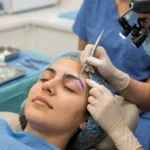
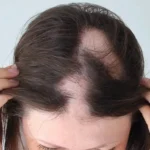
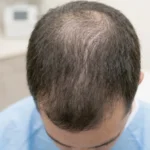
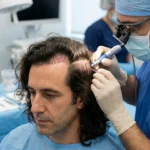
Do Beard Transplants Leave Scars on the Face? Beard transplants can leave scars on the face, but the extent and visibility of these scars depend on several factors. Scarring is typically minimal when performed by an experienced surgeon using advanced techniques like Follicular Unit Extraction (FUE).
However, in some cases, linear scars can form, especially with the Follicular Unit Transplantation (FUT) method. Post-operative care and choosing the right clinic can greatly minimise the risk of prominent scars. In this blog, we’ll explore how scarring occurs, different types of scars, factors influencing scarring, and ways to minimise and treat scars.
Introduction
If you’re considering a beard transplant, one of the most common concerns is whether the procedure will leave scars on your face. The short answer is yes, a beard transplant can leave scars, but the good news is that the extent of these scars depends on several factors, including the method used and your post-procedure care.
Understanding the scarring process is essential to set realistic expectations before undergoing the procedure. In this article, we’ll analyse how and why scarring happens, how different techniques affect scarring, and how you can minimise or treat scars after a beard transplant.
Related: What is a Beard Transplant?
Brief Overview of Beard Transplants
A beard transplant is a surgical procedure where hair follicles are taken from a donor area, typically the back or sides of the scalp, and transplanted into the beard area. The goal is to enhance beard density or restore areas where facial hair is sparse. While the procedure has gained popularity due to its effectiveness, potential scarring is one of the main concerns for prospective patients.
Why Scarring is a Common Concern
Scarring is a natural part of the healing process for any surgical procedure, including beard transplants. During the procedure, hair follicles are extracted and implanted into the beard area, which can leave marks on the donor and recipient sites. However, the degree of scarring varies based on the technique used, the surgeon’s skill, and how well you follow post-operative instructions.
What is a Beard Transplant?
Overview of the Procedure
A beard transplant typically involves two main techniques: FUE (Follicular Unit Extraction) and FUT (Follicular Unit Transplantation). In FUE, individual hair follicles are extracted from the donor area and transplanted into the beard. This method tends to leave fewer and less noticeable scars. In contrast, FUT involves removing a strip of skin from the scalp and dissecting it into individual follicles, which can lead to a linear scar at the donor site.
| Aspect | Beard Transplant | Other Facial Hair Restoration Methods |
| Hair Source | Uses the individual’s own hair (from the donor area) | May use synthetic hair (beard implants) or topical products (e.g., minoxidil) |
| Natural Appearance | Natural look and feel | May look artificial (beard implants) or inconsistent (topical treatments) |
| Longevity | Permanent solution | Temporary or requires ongoing maintenance |
| Procedure | Surgical (hair follicle extraction and implantation) | Non-surgical (implants, creams, or sprays) |
| Maintenance | Minimal, after initial recovery period | Ongoing (e.g., beard implants may need adjustments, topical treatments need regular use) |
| Results | Full beard growth with natural texture and density | Varies (implants may not grow, topical treatments may provide partial growth) |
| Side Effects | Minimal scarring, swelling during recovery | Minimal, after the initial recovery period |
The Scarring Process: What Happens During a Beard Transplant?
How and Why Scarring Occurs
Scarring occurs as a result of the surgical process itself, where small incisions are made to extract and implant hair follicles. These incisions naturally heal over time, but in some cases, they can leave behind visible scars, especially if the healing process is compromised. The extent of scarring largely depends on the technique used, the skill of the surgeon, and how well the skin heals.
Different Transplant Techniques and Their Effect on Scarring (e.g., FUE vs. FUT)
- FUE: The FUE technique typically results in smaller, dot-like scars that are less noticeable. Since individual follicles are extracted, there is no linear scar, and the donor area usually heals with minimal scarring.
- FUT: FUT, on the other hand, can result in a linear scar at the donor site. The scar can be visible, especially if the hair is shaved short. However, with proper aftercare, the scar can fade over time.
Types of Scarring Associated with Beard Transplants
Linear Scars: What They Are and Where They Appear
Linear scars are typically the result of the FUT technique, where a strip of skin is removed from the donor area. These scars are long and thin, often located at the back of the scalp. If not properly concealed by hair, they can be visible, especially if the hair is cut short.
Dot-like Scars: How They Form with FUE Technique
With the FUE technique, the extraction process creates small dot-like scars in the donor area. These are less noticeable than linear scars and are often hidden by surrounding hair growth. Over time, these scars fade significantly, making them harder to detect.
Scar Tissue Visibility: How Noticeable Are Scars?
The visibility of scars depends on various factors, including the technique used, the healing process, and the quality of your skin. In most cases, scarring is minimal, especially if the procedure is done correctly. However, it’s essential to consider that scars are a natural part of the healing process, and complete scarlessness may not be achievable.
Factors That Influence Scarring in Beard Transplants
Hair Type and Growth Patterns
Individuals with denser hair growth and thicker hair may experience less noticeable scarring, as the hair can help conceal the scars more effectively. Conversely, people with finer hair might find that scars are slightly more visible.
Surgeon’s Skill and Experience
The skill and experience of your surgeon play a crucial role in minimising scarring. An experienced surgeon will be able to execute the procedure with precision, minimising the extent of scarring and promoting better healing.
Post-Procedure Care and Healing
Proper post-operative care is essential in minimising scarring. Following your surgeon’s advice on cleaning, avoiding sun exposure, and taking care of the donor and recipient areas can ensure that the healing process is smooth and the scars remain as minimal as possible.
Minimising Scarring: Tips for a Better Outcome
Choosing the Right Clinic and Surgeon
Selecting a reputable clinic with skilled surgeons is the first step in minimising scarring. Research the clinic’s track record and look for patient reviews to ensure you are choosing a clinic with experience in performing beard transplants.
Post-Operative Care: What to Do and What to Avoid
Post-operative care involves proper cleaning and protecting the transplanted area. Avoid touching the treated areas excessively, and follow all instructions regarding hair care and aftercare products.
Scarring Prevention Strategies
Consider using scar-minimising products, such as silicone gels or scar creams, as advised by your surgeon. These can help to reduce the appearance of scars and promote faster healing.
Can Beard Transplant Scars Be Treated or Covered?
Available Treatment Options (Scar Revision, Topical Treatments, etc.)
If scarring occurs, there are options available to treat and minimise scars, such as scar revision surgery, laser treatments, or the use of topical scar treatments. Consulting with your transplantation surgeon about scar treatment options is vital for achieving the best possible results.
Can Makeup or Other Methods Conceal Scars?
For individuals concerned about visible scars, makeup or concealing products can be used to hide scars temporarily. Be sure to choose products that are gentle on the skin to avoid further irritation.
Are Beard Transplants Worth It Despite the Risk of Scarring?
Weighing the Benefits of a Beard Transplant Against Potential Scarring
While the risk of scarring is real, the benefits of a beard transplant, such as achieving a fuller, more defined beard, often outweigh the potential drawbacks. For many people, the results of a successful transplant significantly improve their self-confidence and appearance.
Final Thoughts
While beard transplants do leave scars, these scars are often minimal and can be managed with proper care. The extent of scarring depends on factors like the technique used, the skill of the surgeon, and post-operative care.
If you’re considering a beard transplant, ensure you select an experienced surgeon, follow proper aftercare guidelines, and understand the potential scarring involved. With the right approach, you can enjoy a fuller beard with minimal scarring.
Frequently Asked Questions
Q1: How long do beard transplant scars take to heal?
A1: Healing times vary, but most people experience significant healing within 2-3 weeks. Full recovery can take several months, depending on the technique used and individual healing rates.
Q2: Can scarring from a beard transplant be prevented?
A2: While some scarring is inevitable, following post-operative care instructions carefully can minimise the appearance of scars.
Q3: Is FUE or FUT better for minimising scars?
A3: FUE tends to leave less noticeable scars than FUT because it doesn’t involve removing a strip of skin. However, both techniques can provide excellent results when performed correctly.
Q4: Can beard transplant scars be completely removed?
A4: While complete removal may not be possible, scar revision treatments can significantly improve the appearance of scars over time.
Q5: Are beard transplants worth the risk of scarring?
A5: Many patients find that the benefits of a fuller beard outweigh the risks of scarring, especially when the procedure is performed by an experienced surgeon.