What is a Beard Transplant? A beard transplant is a cosmetic procedure that restores fuller facial hair by transplanting hair follicles from other parts of the body to the beard area.
It offers permanent, natural-looking results, boosting confidence and appearance. The recovery is straightforward, with full results visible after 12 months. For those struggling with patchy or sparse beards, a beard transplant provides a lasting solution.
Introduction
Are you frustrated by a patchy or sparse beard? If you’re struggling with uneven facial hair, a beard transplant might be the solution. This procedure can restore a fuller, thicker beard, providing a permanent and natural-looking result.
In this guide, we’ll explore what a beard transplant is, the benefits it offers, and what you need to know about the recovery process. Whether you’re tired of temporary solutions or want to improve your facial appearance, a beard transplant could be the perfect option.

How Does a Beard Transplant Work?
The Process of Beard Transplants: Step-by-Step
A beard transplant is a cosmetic procedure that involves taking hair follicles from one part of your body (usually the back or sides of your scalp) and transplanting them to the areas of your face where you want more hair. The procedure is similar to a hair transplant, but it specifically focuses on restoring facial hair.
The most common techniques for beard transplants are Follicular Unit Extraction (FUE) and Follicular Unit Transplantation (FUT):
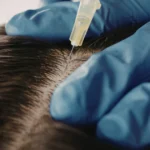
- FUE: In FUE, individual hair follicles are extracted using a small, circular tool and transplanted into the targeted beard area. This method leaves no large linear scars, making it a popular choice for those seeking discreet results.
- FUT: FUT involves removing a strip of scalp and dissecting it into smaller units for transplantation. This method can result in a linear scar, but it may be ideal for patients needing a large number of grafts.
How Long Does the Procedure Take?
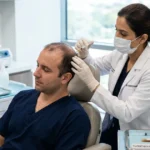
Typically, a beard transplant takes between 4 to 8 hours, depending on the extent of the procedure. You’ll likely be awake during the operation, though local anesthesia will numb the treatment area to ensure comfort.
What Happens After a Beard Transplant?
Immediately after the procedure, you might experience some swelling, redness, and slight discomfort in the donor and transplant areas. These effects are usually temporary and can be managed with prescribed medications. The transplanted hair will shed after a few weeks, but new hair growth should start to appear within 3 to 6 months. Full results are generally visible after 12 months.
Benefits of a Beard Transplant
Boosting Self-Confidence and Appearance
One of the biggest benefits of a beard transplant is the boost in self-confidence. If you’ve been self-conscious about having patchy or no beard growth, this procedure can help you achieve a fuller, more balanced look. Facial hair is often associated with masculinity, and a beard transplant can align your appearance with your personal grooming goals.
Long-Term Results: A Permanent Solution
Unlike topical solutions like beard oils or creams, which provide temporary results, a beard transplant offers permanent hair growth. The transplanted hair grows just like your natural beard, meaning it can be trimmed and styled as desired. Once the grafts have taken, no ongoing treatments are needed.
Natural-Looking Results with No Scarring
When performed by a skilled surgeon, a beard transplant can provide natural-looking results with minimal scarring. The FUE method, in particular, ensures that any scarring is tiny and virtually invisible, even if your beard is kept short.
Recovery After a Beard Transplant
Post-Transplant Care: What to Expect
The recovery after a beard transplant is generally straightforward, but following your surgeon’s aftercare instructions is crucial for optimal results. For the first few days, you’ll need to avoid touching the treated areas and limit activities that could irritate, such as wearing tight clothing or applying pressure on your face.
When Can You Resume Normal Activities?
- Day 1-2: Rest at home and avoid strenuous activities.
- Week 1: Gentle washing of the face is allowed. You can return to work, but avoid heavy physical exertion.
- Week 2-4: Swelling and redness should subside. Mild activities can be resumed, but avoid direct sun exposure.
- After 1 month: Full recovery begins. Light exercise is generally safe, but avoid sweating too much.
Expert Recovery Tips for Faster Healing
- Avoid scratching or rubbing the transplant site.
- Use a mild, non-irritating shampoo to wash your face.
- Stay hydrated and eat a healthy diet to support healing.
- Follow up with your surgeon for checkups as needed.
How Long Should You Avoid Sweating After a Beard Transplant?
Sweating can disrupt the healing process, especially during the first few weeks after the procedure. It’s advisable to avoid intense workouts or activities that cause heavy sweating for about 2-3 weeks. After this period, you can gradually return to exercise, but be sure to protect the transplanted area from excessive moisture and irritation.
Common Beard Transplant Concerns
Is Beard Transplant Safe?
Beard transplants are safe when performed by an experienced, certified surgeon. As with any surgery, there are risks such as infection or scarring, but these can be minimized with proper care and expert handling.
How Much Does a Beard Transplant Cost?
The cost of a beard transplant can vary widely based on several factors, including location, clinic, and the technique used. On average, expect to pay between $3,000 and $10,000. Consultations and multiple sessions may influence the final cost.
Does It Hurt?
While the procedure is not entirely painless, most patients report only mild discomfort during the FUE procedure, as local anesthesia is used. Post-operative pain can usually be managed with over-the-counter medications or prescriptions from your surgeon.
Will the Transplanted Hair Grow Like Natural Facial Hair?
Yes, the transplanted hair will grow just like your natural facial hair. However, keep in mind that the growth rate may vary from person to person. Typically, transplanted hair begins to grow within 3 to 6 months, with full results visible in about 12 months.
Beard Transplants vs Other Hair Restoration Options
Beard Transplants vs. Beard Fillers
Beard fillers provide a temporary solution, often lasting only a few hours or days. A beard transplant, on the other hand, offers permanent, natural results without the need for constant touch-ups.
Beard Transplants vs. Minoxidil
Minoxidil is a topical treatment that can help with beard growth, but it doesn’t work for everyone and requires ongoing use. In contrast, a beard transplant offers permanent results without the need for continual applications.

Beard Transplant FAQs
Can You Get a Beard Transplant if You Have No Facial Hair at All?
Yes, even individuals with no facial hair can undergo a beard transplant, provided they have sufficient donor hair from other parts of their scalp or body.
What Should You Avoid After a Beard Transplant?
Avoid activities such as:
Heavy lifting and strenuous exercise.
Touching or scratching the transplanted area.
Direct sun exposure without protection.
How Long Before the Results Are Fully Visible?
It typically takes 3 to 6 months for the first signs of growth to appear, with the full, final result showing after 12 months.
Next Step
Should you get a beard transplant? If you’re struggling with patchy or sparse facial hair and are looking for a permanent, natural solution, a beard transplant could be the right choice for you. Always consult with a qualified surgeon to ensure the procedure is done safely and effectively.
If you’re ready to enhance your facial hair and regain your confidence, book a consultation with our expert team today. We can guide you through the process and help you achieve the beard of your dreams