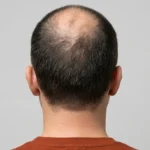
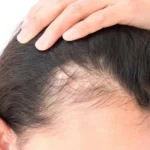
A receding hairline does not always equate to baldness, but it is often one of the first signs of male pattern baldness, also known as androgenetic alopecia. While some individuals may experience a minor hairline recession without progressing to full baldness, for others, it could indicate the onset of more significant hair thinning. This blog will explore the causes of a receding hairline, how it progresses into baldness, and ways to manage and prevent further hair loss.
Introduction
A receding hairline is one of the earliest signs of hair loss, especially in men. But does a receding hairline mean baldness? The short answer is: not necessarily. While a receding hairline is often the first indication of androgenetic alopecia, also known as male pattern baldness, it doesn’t always result in full baldness. The extent to which a hairline recedes and whether it progresses into complete baldness depends on various factors, including genetics, hormones, and the individual’s hair loss management efforts.
Understanding the connection between a receding hairline and baldness is key to determining whether you need to take action or if your hairline can be maintained with the right approach.
1. The Science Behind a Receding Hairline
Understanding the Causes of a Receding Hairline
A receding hairline occurs when the hair along the front of the scalp begins to thin and move back from its natural position. This can be caused by several factors, including genetics, hormones, and age. The most common cause is male pattern baldness (androgenetic alopecia), which is influenced by genetic predisposition and a hormone called dihydrotestosterone (DHT).
How Genetics, Hormones, and Age Affect Hairline Recession
- Genetics: If your father or grandfather experienced a receding hairline, there’s a strong chance you might too. Genetics play a major role in determining when and how severe your hairline will recede.
- Hormones: DHT, a derivative of testosterone, binds to hair follicles, causing them to shrink and weaken over time, leading to hair thinning and receding.
- Age: As you age, the hair growth cycle slows, and the follicles may produce thinner, weaker strands of hair, contributing to a receding hairline.
2. When Does a Receding Hairline Become Baldness?
Early Signs of Male Pattern Baldness
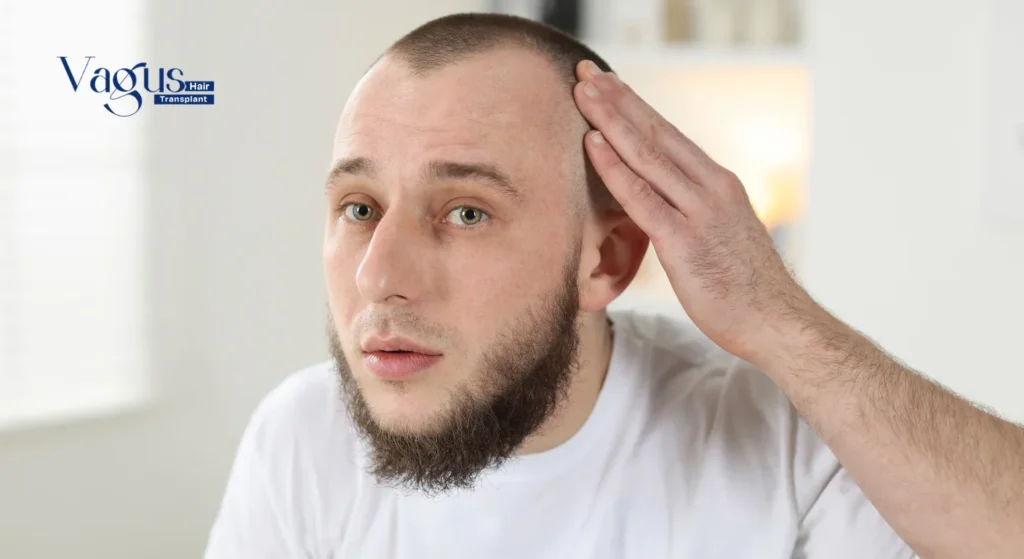
A receding hairline is often the first visible sign of male pattern baldness. Initially, the hairline may only retreat slightly at the temples, but over time, it can progress and cause noticeable thinning across the scalp.
Differences Between a Receding Hairline and Full Baldness
While a receding hairline is typically confined to the forehead and temple areas, baldness involves more extensive hair loss that can cover the crown and top of the scalp. The progression from a receding hairline to full baldness is gradual and varies for each individual. Some may stop at the hairline recession, while others may experience significant hair thinning across the entire scalp.
3. Can You Prevent or Reverse a Receding Hairline?
Treatments for a Receding Hairline: What Works and What Doesn’t
- Minoxidil: Available as a topical solution, Minoxidil is one of the most common treatments for hair loss. It may help slow down the recession and promote hair regrowth.
- Finasteride: This oral medication works by blocking the formation of DHT, which is responsible for hair follicle shrinkage.
- Hair Transplants: For more severe cases, hair transplant surgery such as FUE (Follicular Unit Extraction) or DHI (Direct Hair Implantation) can restore the hairline.
However, not all treatments work for everyone. Consulting with a specialist can help determine the best course of action.
Lifestyle Changes That Might Slow Down Hair Loss
- Diet: Ensuring you get the right vitamins and minerals, like biotin and vitamin D, can support healthy hair growth.
- Stress Management: Chronic stress is known to contribute to hair thinning, so practicing relaxation techniques can help mitigate hair loss.
4. Understanding the Stages of Baldness
The Norwood Scale and What It Reveals About Your Hair Loss
The Norwood Scale helps to measure the extent of male pattern baldness, providing a clear indication of how much hair loss an individual has experienced. From the first signs of a receding hairline to complete baldness, the scale offers a guide for understanding the typical pattern of hair loss in females.
5. Is a Receding Hairline Permanent?
Can You Regrow Hair at the Hairline?
While some individuals may experience temporary hairline recession due to factors like stress or poor diet, for many, a receding hairline is permanent. However, with the right treatments, some individuals can experience regrowth in the affected areas. Medications like Minoxidil or Finasteride can help restore some of the hair, but results vary.
The Role of Hair Transplants in Receding Hairlines
Hair transplants, particularly DHI and FUE techniques, are effective ways to restore hairlines that have receded significantly. These methods involve relocating healthy hair follicles from areas of the scalp with dense hair to areas affected by hair loss.
Related; Female Hair Transplant
6. Psychological Impact of a Receding Hairline
How a Receding Hairline Affects Self-Image and Confidence
A receding hairline can have a profound impact on an individual’s self-esteem. Many people experience feelings of self-consciousness and insecurity, especially if hair loss becomes more noticeable over time.
Coping Strategies and When to Seek Support
If a receding hairline begins to affect your confidence, it’s important to remember that you’re not alone. Seeking professional support, whether through counseling or consulting with a hair restoration specialist, can help you navigate the emotional and practical aspects of hair loss.
7. Final Thoughts
A receding hairline doesn’t necessarily mean baldness, but it is often an early sign of it. While genetics play a major role, various treatments can slow down or reverse the progression of hair loss. For some, a hair transplant might be the best option, while others may benefit from topical treatments or lifestyle changes. The key is early intervention and managing realistic expectations.
If you’re noticing a receding hairline and are concerned about potential hair loss, don’t wait until it’s too late. Start taking action today to preserve your hairline and boost your confidence. Explore effective treatments like Minoxidil, Finasteride, and even hair transplant options to find the solution that works best for you.
Frequently Asked Question
1. Can a receding hairline be reversed?
Yes, treatments like Minoxidil, Finasteride, and hair transplant surgeries can help reverse a receding hairline to some extent, although results vary.
2. Is hair loss due to a receding hairline permanent?
In most cases, yes. However, some treatments can slow down the process and even restore some hair growth.
3. What causes a receding hairline?
A receding hairline is typically caused by genetics, hormonal changes, and aging, with androgenetic alopecia being the most common factor.
4. Can lifestyle changes prevent a receding hairline?
While lifestyle changes like a healthy diet, stress management, and proper hair care may help slow down hair loss, they typically won’t fully prevent a receding hairline.
5. When should I consider a hair transplant for a receding hairline?
If your receding hairline progresses beyond the early stages and doesn’t respond to medications, a hair transplant may be an option to restore your hairline.