Hair transplants can be an effective treatment for female pattern baldness, a condition where women experience thinning or loss of hair, typically around the crown or part line. A hair transplant can provide long-lasting results if you’re a suitable candidate, but the effectiveness varies depending on the severity of hair loss, age, and hair quality. In this blog, we’ll cover Hair Transplant Work for Female Pattern Baldness, the science behind hair transplants, techniques used, recovery timelines, success rates, and the aftercare necessary for optimal results. By the end, you’ll have a comprehensive understanding of how hair transplants work for female pattern baldness and whether this solution is right for you.
Introduction
If you’re struggling with female pattern baldness, you’re not alone. It’s a common condition affecting many women, often causing frustration and a decrease in confidence. While the causes of hair loss can vary, a hair transplant is one of the most effective long-term solutions to restore hair growth. But does a hair transplant work for female pattern baldness? The answer is yes, but it’s essential to understand the procedure, what to expect, and how to maximize your results.
What is Female Pattern Baldness?
Understanding the Causes of Female Hair Loss
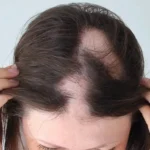
Female pattern baldness, also known as androgenetic alopecia, occurs when hair follicles shrink due to hormonal changes, genetic factors, or aging. It typically leads to thinning hair, particularly around the crown or part line, although it can also affect the entire scalp.
How Female Pattern Baldness Differs from Male Pattern Baldness
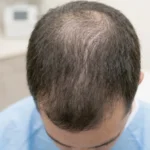
Unlike men, who often experience receding hairlines or bald spots, women usually experience diffuse thinning, which can be harder to spot initially. This difference can make diagnosing and treating female hair loss treatment more complex.
How Hair Transplants Work for Female Pattern Baldness
The Basics of Hair Transplant Procedures
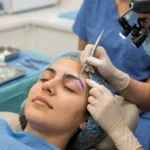
Hair transplants involve taking hair follicles from a dense area of the scalp (usually the back or sides) and implanting them into thinning or bald areas. The most common procedures for women include Follicular Unit Extraction (FUE) and Follicular Unit Transplantation (FUT).
Techniques Used for Female Hair Transplants (FUE, FUT)
- FUE: FUE minimally invasive technique involves extracting individual hair follicles and transplanting them to the thinning areas. It’s less invasive and has a quicker recovery time.
- FUT: FUT Involves removing a strip of scalp from a donor area and then transplanting the follicles. While the procedure is more invasive, it can be ideal for patients requiring a large number of grafts.
Key Differences in Hair Transplants for Women vs. Men
Hair transplants for women often require more careful planning due to the diffused nature of female pattern baldness. Surgeons must work with precision to ensure the transplanted hair grows naturally and evenly.
Success Rates of Hair Transplants for Women
Factors That Influence Success (Age, Hair Type, Severity)
The success of a hair transplant depends on factors such as age, hair quality, and the severity of the baldness. Younger women or those with less advanced hair loss often see the best results.
Realistic Expectations and Timeline for Results
Expect visible results within 3 to 6 months, with full results becoming apparent in about 12 months. Initially, you may experience “shock loss,” a temporary shedding of transplanted hair, but new growth will begin shortly after.

The Procedure: What to Expect During a Hair Transplant
Pre-Procedure Consultation and Planning
Before undergoing a transplant, you will have a consultation with your surgeon to discuss your hair loss, potential treatment options, and expectations.
The Hair Transplant Process Explained (Step-by-Step)
The procedure begins with anesthesia, followed by the extraction and implantation of hair follicles. The process typically takes 4-8 hours, depending on the number of grafts needed.
Anesthesia and Comfort During the Surgery
Local anesthesia is used to numb the scalp, ensuring a pain-free experience. Sedatives may also be administered for relaxation.
Post-Surgery: Recovery and Aftercare
What to Expect in the First Few Days After Surgery
Expect some swelling and redness, which should subside in a few days. Mild discomfort can be managed with prescribed medication.
Managing Swelling, Pain, and Redness
Cold compresses can help reduce swelling, while over-the-counter painkillers can manage discomfort.
How to Care for Your Scalp After the Procedure
Avoid touching or scratching the transplanted areas for the first few days. You’ll also need to use gentle shampoos and avoid direct sunlight.
Potential Risks and Side Effects of Hair Transplants
Common Side Effects and How to Avoid Them
Side effects can include mild swelling, bruising, or infection, but these are typically temporary. Following your surgeon’s aftercare instructions can minimize risks.
Rare Risks to Be Aware Of
While rare, there can be complications like graft rejection or scarring. It’s crucial to consult with a qualified specialist to minimize these risks.
Alternatives to Hair Transplants for Female Pattern Baldness
Medications and Topical Treatments (e.g., Minoxidil, Finasteride)
If you’re not ready for surgery, topical treatments like Minoxidil or oral medications like Finasteride may help promote hair regrowth.
Platelet-Rich Plasma (PRP) Therapy for Hair Regrowth
PRP therapy uses your blood’s growth factors to stimulate hair follicles, making it a non-invasive option to combat hair thinning.
Lifestyle Changes and Hair Restoration Tools
Healthy lifestyle choices, including proper nutrition, stress management, and using hair growth tools, can also support hair regrowth.
Is a Hair Transplant Right for You?
How to Determine if You’re a Good Candidate for a Hair Transplant
A good candidate is someone with stable hair loss and sufficient donor hair. Your surgeon will assess your condition and determine whether you’re eligible for the procedure.
Consulting with a Specialist for Personalized Advice
Consulting with a specialist is the best way to understand your unique situation and get tailored advice for your hair restoration journey.
Costs of Hair Transplants for Female Pattern Baldness
Average Cost of Hair Transplants for Women
The cost can vary significantly based on the clinic, technique used, and number of grafts needed. On average, the cost ranges from $4,000 to $15,000.
Factors That Affect the Price of a Hair Transplant
Factors include the surgeon’s experience, location, and the complexity of the procedure.
Is It Worth the Investment?
Considering the long-term results, many women find that hair transplants are a worthwhile investment for their confidence and quality of life.
Real Patient Experiences: Success Stories and Testimonials
Before and After Photos of Female Hair Transplant Patients
Many women have successfully regained fuller hair with transplants. Before and after photos can provide insight into potential results.
Success Rates and Patient Testimonials
Patient testimonials highlight the positive impact hair transplants have had on their self-esteem and quality of life.
Final Thoughts
Hair transplants are a proven solution for female pattern baldness, offering long-term, natural results. If you’re experiencing hair loss, it’s important to explore all your options, consult with specialists, and have realistic expectations. With the right procedure and aftercare, a hair transplant can help restore not only your hair but also your confidence.
If you’re ready to take the next step in your hair restoration journey, a hair transplant could be the solution you’ve been searching for. Don’t let female pattern baldness hold you back any longer.
Frequently Asked Questions
Q1: How long does it take to see results from a hair transplant for female pattern baldness?
It typically takes 3 to 6 months to see visible results, with full growth appearing in about 12 months.
Q2: Is a hair transplant safe for women?
Yes, hair transplants are generally safe for women when performed by a qualified specialist. Risks are minimal with proper aftercare.
Q3: What are the costs of a hair transplant for women?
Costs vary, but on average, hair transplants for women range from $4,000 to $15,000.
Q4: Are there any alternatives to hair transplants?
Yes, alternatives include medications like Minoxidil, PRP therapy, and lifestyle changes to promote hair regrowth.