Hair shedding is a natural part of the hair growth cycle, but how much is considered normal? On average, losing 50 to 100 strands of hair per day is typical for most people. However, excessive hair shedding or significant thinning can indicate an underlying issue. This blog explores the normal shedding process, common causes of excessive hair loss, and practical tips to manage and reduce hair shedding.
1. Introduction
Hair shedding is a common concern for many individuals, but understanding how much hair shedding is normal can help ease anxiety. On average, shedding about 50 to 100 hair strands per day is considered typical and is part of the natural hair growth cycle. However, when hair loss exceeds this range or leads to noticeable thinning, it may be time to explore possible causes and solutions. In this blog, we will delve into the various aspects of hair shedding, from understanding hair loss patterns to providing practical tips to manage it.
What Is Hair Shedding?
Hair shedding refers to the natural loss of hair as part of the hair growth cycle. Hair follicles go through three stages: anagen (growth), catagen (transition), and telogen (resting). During the telogen phase, hair naturally sheds to make way for new hair growth.
Normal vs. Excessive Hair Shedding: How to Tell the Difference
While some shedding is normal, excessive hair shedding could signal an underlying issue. When the amount of hair loss increases dramatically or results in thinning patches, it’s important to assess potential causes and take action to address them.
Related; Treatment for Hair Loss
2. Common Causes of Hair Shedding
Hair shedding can be caused by a variety of factors. Identifying the root cause can help determine the most effective treatment.
Genetics: How Your Family History Affects Hair Health
Genetic predisposition plays a major role in hair shedding. If your family has a history of hair thinning or baldness, you may be more likely to experience similar patterns. Male and female pattern baldness, also known as androgenetic alopecia, is common and influenced by genetics.
Hormonal Changes: The Impact of Pregnancy, Menopause, and More
Hormonal fluctuations, such as those that occur during pregnancy, menopause, or due to thyroid imbalances, can lead to significant hair shedding. These hormonal changes affect the hair growth cycle, leading to more hairs entering the telogen (resting) phase.
Stress and Lifestyle Factors: The Role of Anxiety, Diet, and Sleep
Stress, poor diet, and inadequate sleep can all contribute to hair loss. High stress levels can trigger a condition known as telogen effluvium, where more hairs enter the shedding phase prematurely.
Medical Conditions and Medications: Autoimmune Disorders, Thyroid Imbalances, and Treatments
Conditions like autoimmune diseases, thyroid disorders, and certain medications (e.g., chemotherapy) can also lead to excessive hair shedding. If you suspect an underlying health issue, it’s crucial to consult a doctor for diagnosis and treatment.
Poor Hair Care Practices: How Styling and Overprocessing Contribute to Shedding
Excessive use of heat styling tools, harsh chemical treatments, and tight hairstyles can damage hair follicles, leading to hair shedding. Gentle care and using protective products can minimize this risk.
3. Understanding the Hair Growth Cycle
Understanding the phases of hair growth can help demystify the shedding process.
The Phases of Hair Growth: Anagen, Catagen, and Telogen
- Anagen Phase (Growth): This phase lasts 2-3 years, during which hair actively grows.
- Catagen Phase (Transition): Lasting a few weeks, this phase marks the end of active growth, and hair begins to shrink.
- Telogen Phase (Resting): The hair rests before shedding. This phase typically lasts 2-3 months.
What Happens During the Telogen (Resting) Phase?
During the telogen phase, hair sheds naturally to make room for new growth. It’s common for about 10-15% of the scalp’s hair to be in this resting phase at any given time.
4. How Much Hair Shedding Is Normal?
The Average Amount of Hair You Lose Daily
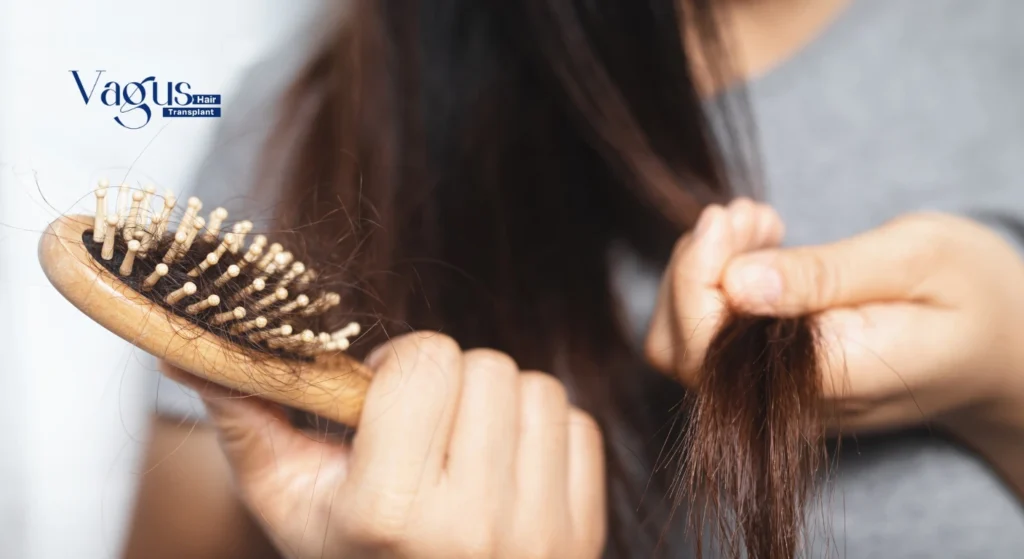
On average, losing 50 to 100 strands of hair per day is normal. This varies depending on factors like hair type, age, and overall health.
When Should You Be Concerned About Hair Shedding?
If your shedding exceeds 100 hairs per day or results in noticeable thinning, it may be a sign of an underlying issue such as alopecia or a medical condition. Consult a dermatologist if you notice significant changes in your hair.
5. Tips to Reduce Hair Shedding
Adopting a healthy routine can help minimize hair shedding.
Proper Hair Care Routine: Gentle Shampooing, Conditioning, and Detangling
Use a mild shampoo and conditioner that suit your hair type. Avoid harsh brushing and detangle your hair gently to prevent damage.
Diet and Supplements: Foods That Promote Healthy Hair Growth
Nutrient-rich foods like salmon, spinach, and nuts can support hair health. Consider taking supplements such as biotin or zinc if you’re experiencing significant hair loss.
Managing Stress for Better Hair Health
Chronic stress can worsen hair shedding. Engage in stress-reducing activities like yoga, meditation, or regular exercise.
Avoiding Harsh Hair Treatments and Styling Tools
Limit the use of heat styling tools and harsh chemical treatments. Opt for gentler hair care options that protect your hair.
Regular Scalp Massages to Stimulate Hair Follicles
Massaging the scalp with oils like rosemary or peppermint can increase blood circulation and promote hair growth.
6. When to See a Doctor for Hair Shedding
Signs of Underlying Medical Conditions
If you notice excessive hair loss, patches of baldness, or other concerning symptoms, it may be time to consult a doctor. Conditions such as alopecia areata or thyroid imbalances can cause hair shedding.
How a Dermatologist Can Help Diagnose the Cause
A dermatologist can perform tests to determine the cause of hair shedding and recommend treatment options such as topical treatments or medical interventions.
Medical Treatments and Solutions for Excessive Shedding
Treatments like minoxidil, corticosteroid injections, or PRP therapy can help manage excessive hair shedding and promote hair regrowth.
7. Hair Shedding Myths vs. Facts
Common Misconceptions About Hair Shedding
Many people believe that frequent hair washing causes shedding, but this is a myth. Hair shedding is part of the natural cycle, and washing your hair does not affect the shedding rate.
Debunking Popular Hair Care Myths
It’s also common to hear that hair thinning is only a male problem. In reality, women also experience pattern hair loss, especially during hormonal changes.
8. Treatments for Excessive Hair Shedding
Over-the-Counter Products: Shampoos, Serums, and Hair Supplements
Many over-the-counter products can help reduce hair shedding. Look for shampoos or serums containing ingredients like biotin, caffeine, and saw palmetto.
Professional Treatments: PRP Therapy, Laser Therapy, and Hair Transplants
For severe cases of hair shedding, professional treatments like PRP therapy or hair transplants can offer long-term solutions.
Natural Remedies: Essential Oils, Aloe Vera, and Other Home Treatments
Some people find success using natural remedies like peppermint oil or aloe vera to reduce shedding and support healthy hair growth.
9. Preventing Hair Shedding in the Long Run
Creating a Healthy Scalp Environment for Sustainable Hair Growth
Maintaining a clean and healthy scalp is crucial for preventing hair shedding. Regular scalp care promotes follicle health and encourages new growth.
Building Long-Term Hair Care Habits
Consistently following a healthy hair care routine, managing stress, and eating nutrient-rich foods can help maintain healthy hair in the long run.
The Importance of Regular Check-Ups for Scalp Health
Regular dermatologist check-ups can help catch any potential issues early, allowing for more effective treatments.
10.Final Thoughts
Hair shedding is a natural process, and while it can be concerning, understanding how much hair shedding is normal helps manage expectations. If you’re experiencing excessive shedding, identify potential causes and take steps to improve your hair health. Remember, your hair journey is unique, embrace it with confidence!
Are you worried about excessive hair shedding? Don’t wait, start taking proactive steps to reduce hair loss and promote healthy growth.
Frequently Asked Questions
1. How much hair shedding is normal per day?
On average, losing 50 to 100 strands of hair per day is normal.
2. What are the causes of excessive hair shedding?
Excessive shedding can be caused by factors such as genetics, hormonal changes, stress, and medical conditions.
3. When should I see a doctor about hair shedding?
If you notice significant hair loss, bald patches, or thinning, it’s advisable to consult a dermatologist.
4. Can stress cause hair shedding?
Yes, stress is a common trigger for hair shedding, leading to conditions like telogen effluvium.
5. What treatments help with hair shedding?
Over-the-counter products, professional treatments like PRP therapy, and natural remedies can help manage and reduce hair shedding.