Male pattern baldness is a common and often distressing condition affecting millions of men worldwide. While it’s primarily influenced by genetics, there are ways to slow the progression and even prevent further hair loss. This blog discusses various prevention strategies, treatment options, and lifestyle changes to help combat male pattern baldness. We’ll also explore the importance of scalp health, the timeline for hair regrowth, and offer realistic expectations for those seeking treatment.
Introduction to Male Pattern Baldness
Male pattern baldness (MPB), also known as androgenetic alopecia, is the most common cause of hair loss in men. It typically manifests as a receding hairline and thinning at the crown. This condition is primarily hereditary, but hormonal changes, lifestyle factors, and overall health can influence its progression. Preventing male pattern baldness is not only about halting hair loss but also optimizing the health of your scalp and hair follicles.
In this article, we will explore practical steps on how to prevent male pattern baldness, focusing on scientifically-backed treatment options and lifestyle adjustments. Preventing hair thinning and ensuring scalp health are key components of maintaining hair density. Understanding what to expect during the hair transplant process and how to manage the emotional impact of hair loss will also be discussed.
1. What is Male Pattern Baldness?
Male pattern baldness refers to the gradual thinning and loss of hair, primarily due to genetic predisposition. The condition is linked to the hormone dihydrotestosterone (DHT), a derivative of testosterone, which shortens the hair growth cycle.
How Common is Male Pattern Baldness?
Male pattern baldness affects approximately 50% of men by the age of 50. While it typically starts in the late 20s or early 30s, the extent and rate of hair loss vary between individuals.
2. Causes of Male Pattern Baldness
Genetic Factors: The Role of Heredity
Genetics is the primary factor behind male pattern baldness. If your father or grandfather experienced hair loss, it’s more likely you will too. The genes responsible for this condition are inherited from both parents.
Hormonal Changes and Imbalances
Hormonal fluctuations, particularly the increase in DHT levels, contribute to the shrinkage of hair follicles and a shorter hair growth cycle. This results in progressively thinner hair strands until hair growth stops completely in certain areas.
Other Contributing Factors
Other factors, such as stress, poor diet, certain health conditions, and medications, can accelerate hair loss. Maintaining overall health can help minimize these effects and slow the progression of baldness.
3. Recognizing the Signs and Symptoms
Early Signs of Male Pattern Baldness
Early signs include a receding hairline at the temples and a thinning crown. If you notice increased shedding or a change in hair texture, it’s essential to act early to prevent further loss.
How to Differentiate Male Pattern Baldness from Other Types of Hair Loss
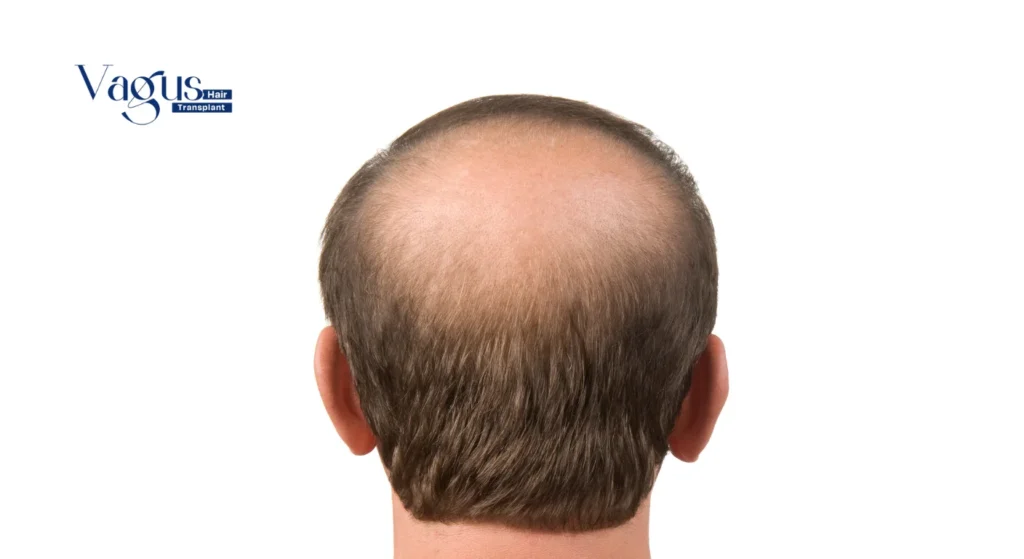
Unlike other forms of hair loss (e.g., alopecia areata), male pattern baldness typically follows a predictable pattern, beginning at the temples and crown. The hair loss gradually progresses in these areas, often following the Norwood scale, which classifies stages of male pattern baldness.
4. Treatment Options for Male Pattern Baldness
Medications
- Minoxidil: A topical treatment that stimulates hair follicles and encourages regrowth.
- Finasteride: An oral medication that inhibits the production of DHT, thereby slowing hair loss and potentially encouraging regrowth.
Hair Transplants
Hair transplants, such as FUE (Follicular Unit Extraction) and FUT (Follicular Unit Transplant), involve moving hair follicles from areas of thick hair to balding spots.
Natural Remedies and Lifestyle Changes
Certain vitamins and minerals, such as biotin, zinc, and vitamin D, can support hair health. Reducing stress and maintaining a balanced diet also play important roles in slowing hair loss.
The Role of Diet and Hair Care in Managing Baldness
A healthy diet rich in antioxidants and essential nutrients can help maintain hair health. Gentle hair care routines, including using sulfate-free shampoos and avoiding excessive heat treatments, are crucial.
5. Preventing Male Pattern Baldness
Can Male Pattern Baldness Be Prevented?
While complete prevention is difficult, the progression of male pattern baldness can be significantly slowed down through early intervention and consistent care. The goal is to preserve existing hair and prevent thinning in the future.
Tips for Slowing Down Hair Loss
- Use DHT-blocking shampoos or topical treatments.
- Maintain a balanced diet rich in vitamins and minerals for hair health.
- Practice stress management techniques like meditation or yoga.
- Avoid tight hairstyles and heat damage that can contribute to hair breakage.
6. Realistic Expectations and What to Expect from Treatment
Timeline for Hair Regrowth
Hair regrowth can take several months, especially with treatments like Minoxidil. You may experience a “shock loss” phase where hair initially falls out before new growth begins. This phase can last for a few weeks.
Results You Can Expect from Different Treatments
- Minoxidil: It may take 4-6 months to see visible results.
- Finasteride: Typically, it takes about 3-6 months for noticeable improvements.
- Hair Transplants: Results can be seen within 6-12 months as transplanted hair grows in.
7. Dealing with the Emotional Impact of Hair Loss
The Psychological Effects of Male Pattern Baldness
Male pattern baldness can have significant emotional and psychological impacts, including decreased self-esteem and anxiety. It’s important to address these feelings by seeking support from loved ones or professionals.
Coping Strategies and Support Systems
Support groups, therapy, and open conversations with friends and family can help men cope with the emotional toll of hair loss. Additionally, focusing on other aspects of personal care and confidence-building can be empowering.
8. Is Male Pattern Baldness Reversible?
Understanding the Limitations of Current Treatments
While treatments like Minoxidil and Finasteride can slow hair loss and even promote regrowth, male pattern baldness is not fully reversible. However, advancements in hair transplant procedures offer long-lasting results for many men.
The Future of Male Pattern Baldness Treatment
Research into stem cell therapies, gene therapy, and exosome treatments holds promise for future treatments that may offer better solutions for reversing hair loss.
Final Thoughts
Male pattern baldness is a common condition, but with early intervention and the right treatments, you can slow or prevent further hair loss. Medications, hair transplants, and lifestyle changes all play vital roles in managing this condition. Set realistic expectations and focus on maintaining scalp health to ensure the best possible results.
Embrace the confidence that comes with taking charge of your hair health – act now and slow the progression of male pattern baldness.
Frequently Asked Questions
1:Can male pattern baldness be completely reversed?
While complete reversal is not currently possible, treatments can help slow progression and promote new hair growth.
2:How long does it take for hair to regrow after treatment?
Regrowth can take anywhere from 3-12 months, depending on the treatment method.
3:Are natural remedies effective for preventing male pattern baldness?
Natural remedies can support hair health, but they are not as effective as medical treatments like Minoxidil or Finasteride in treating male pattern baldness.
4:Is hair transplant surgery painful?
Hair transplants are minimally invasive, but patients may experience some discomfort during recovery. Pain management options are available.