FUE (Follicular Unit Extraction) hair transplant is an effective solution for people with receding hairlines. It’s a minimally invasive procedure that extracts individual hair follicles and transplants them into thinning areas. FUE works well for hair loss, providing natural-looking results with minimal scarring. This blog explores how effective FUE hair transplant work for receding hairlines, the results you can expect, and how to choose the right surgeon for the procedure.
Introduction
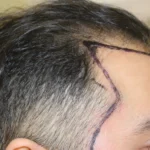
Receding hairlines are a common issue, affecting both men and women as they age. Many individuals look for a permanent solution to regain their youthful appearance and boost self-confidence. FUE hair transplant has emerged as a popular and effective treatment for those struggling with hair loss and receding hairlines. But does it truly work for receding hairlines? In this blog, we’ll explore how FUE hair transplant works for hair loss, its effectiveness, results, and everything you need to know before making a decision.
Understanding FUE Hair Transplant
What is an FUE Hair Transplant?
FUE (Follicular Unit Extraction) is a hair restoration technique that involves extracting individual hair follicles from the donor area (usually the back or sides of the head) and transplanting them into the thinning or balding areas. Unlike the older FUT (Follicular Unit Transplantation) method, FUE doesn’t require a large strip of scalp to be removed, making it a less invasive option.
How FUE Differs from Other Hair Transplant Methods
The main difference between FUE and other hair transplant techniques is the method of follicle extraction. While FUT requires the removal of a strip of scalp, FUE extracts follicles one by one, which reduces scarring and recovery time. FUE is considered a more advanced, less invasive option, making it highly popular among patients seeking hair restoration for receding hairlines.
How Does FUE Work for Hair Loss?
Step-by-Step Process of FUE Hair Transplant
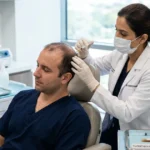
- Consultation: The process begins with a consultation where the surgeon evaluates your hair loss pattern and determines if FUE is suitable for you.
- Preparation: The donor area is shaved, and local anaesthesia is administered to minimise discomfort during the procedure.
- Follicle Extraction: Individual hair follicles are extracted using a specialised tool that minimises damage to the follicles.
- Follicle Transplantation: The extracted follicles are then carefully implanted into the receding areas of the scalp.
- Post-Procedure Care: After the procedure, the scalp may be sensitive, but the recovery time is generally short.
Benefits of FUE in Treating Receding Hairlines
- Minimized Scarring: FUE leaves tiny, dot-like scars that are less visible compared to the linear scars from FUT.
- Natural Results: The technique allows for precise placement of the follicles, ensuring a natural hairline and hair growth pattern.
- Quick Recovery: As FUE is minimally invasive, the recovery time is shorter, and patients can resume normal activities within a few days.
FUE Hair Transplant Work for Receding Hairlines: Is it Effective?
Success Rate of FUE for Receding Hairlines
FUE has a high success rate, with many patients experiencing significant hair growth within months of the procedure. However, the results depend on several factors, including the patient’s hair type, age, and the skill of the surgeon. For those with receding hairlines, FUE can restore the hairline and provide a more youthful appearance.
Success Stories and Real-Life Examples
Many individuals have seen transformative results with FUE hair transplants. Real-life examples include people who have regained full coverage in their frontal hairline, restoring their confidence and appearance. Success stories often feature clients who had previously tried other treatments without success but found FUE to be a game-changer.
Factors That Affect the Success of FUE Hair Transplant
- Age and Hair Density: Younger patients with better hair density generally experience better results.
- Overall Health: A person’s overall health can affect the healing process and hair growth.
- Surgeon’s Expertise: The skill of the surgeon plays a crucial role in ensuring the success of the procedure. An experienced surgeon will be able to create a natural-looking hairline.
Results and Expectations: What to Expect After an FUE Hair Transplant?
How Long Does it Take to See Results?
While some initial hair growth may be visible after 3–4 months, full results typically take around 9–12 months to become evident. It’s important to be patient and follow post-procedure instructions to ensure optimal results.
Post-Procedure Care for Optimal Results
- Follow-Up Appointments: Regular follow-ups with the surgeon will help monitor your progress.
- Avoid Sun Exposure: Protect your scalp from the sun during the healing period.
- Hair Care Routine: Use mild hair products as advised by your surgeon to avoid irritating the newly transplanted follicles.
Potential Side Effects and Risks
- Common Side Effects: Swelling, tenderness, and redness are common after FUE. These side effects usually subside within a few days.
- Risks: Although rare, there is a risk of infection or poor graft survival. It’s essential to follow all post-surgery care instructions to minimize risks.
Is FUE the Right Choice for You?
Pros and Cons of FUE Hair Transplant for Receding Hairlines
Pros:
- Minimal scarring: As the procedure doesn’t require a large incision, scarring is minimal.
- Natural-looking results: The precision of follicle placement ensures a natural hairline.
- Quick recovery: Patients can return to normal activities within a few days.
Cons:
- Cost: FUE can be more expensive than other hair loss treatments due to its advanced technique.
- Recovery time: While quicker than FUT, FUE still requires some recovery time.
Alternative Treatments for Receding Hairlines
FUE is not the only option for treating receding hairlines. Other alternatives include:
- Hairline Lowering Surgery: Involves surgically lowering the hairline.
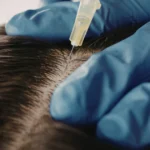
- PRP (Platelet-Rich Plasma): A non-surgical treatment that involves injecting platelets into the scalp to stimulate hair growth.
- Topical Treatments: Minoxidil and Finasteride are commonly used to slow hair loss.
How to Choose the Right FUE Surgeon
What to Look for in a Surgeon
- Qualifications and Experience: Ensure the surgeon is board-certified and has a proven track record in FUE hair transplants.
- Reviews and Consultations: Look for patient testimonials and consider multiple consultations to assess the surgeon’s approach.
Related:Dr.Rana Irfan
Final Thoughts
FUE hair transplant is an effective solution for treating receding hairlines, providing natural, permanent results with minimal scarring and downtime. While the procedure is generally successful, it’s essential to manage expectations and understand the factors that can influence the outcome. Consulting with a qualified surgeon and following post-procedure care instructions are key to achieving the best results.
Frequently Asked Questions (FAQs)
1:Can FUE be done for all types of hair loss?
Yes, FUE can be effective for most types of hair loss, including male pattern baldness and receding hairlines.
2:How many sessions are required for receding hairlines?
Typically, one session is sufficient, but some individuals may require multiple sessions depending on the extent of hair loss.
3:Is the FUE method permanent?
Yes, FUE is a permanent solution, as the transplanted follicles are resistant to hair loss. However, it’s important to maintain a healthy lifestyle to preserve results.