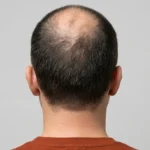
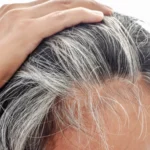
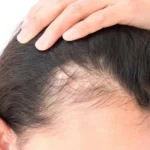
Medications can sometimes cause hair loss in females, a condition known as medication-induced hair thinning. Certain drugs, particularly those used to treat cancer, high blood pressure, thyroid disorders, and mental health conditions, have been linked to hair loss in women. Understanding the specific medications associated with this condition, the mechanisms behind it, and potential management strategies can help individuals address hair thinning and regrow hair naturally.
Introduction
Many women experience hair loss, and while it can occur for various reasons, one common cause is the medications they take. When considering treatment options for medical conditions, women may unknowingly choose medications that contribute to hair thinning or loss. Understanding what causes hair loss in females is essential for making informed decisions about health treatments. In this blog, we will explore the connection between medications and hair loss, focusing on common drugs known to cause this issue, and provide helpful guidance on managing and regrowing hair naturally.
Medications cause hair loss in females, a condition that can stem from a range of pharmaceutical treatments, including those for high blood pressure, acne, cancer, and mental health disorders. Let’s take a closer look at the medications most commonly linked to hair thinning.
Common Medications Known to Cause Hair Loss in Women
Chemotherapy and Cancer Treatments
Chemotherapy drugs are well-known for their association with hair loss. These powerful drugs work by targeting fast-growing cancer cells, but they can also affect healthy hair follicles. Hair loss due to chemotherapy is typically temporary, with hair regrowth beginning a few months after treatment ends. However, the degree of hair loss and regrowth can vary among individuals.
Birth Control Pills
Hormonal contraceptives, such as birth control pills, can also contribute to hair loss in women. The synthetic hormones in birth control pills can disrupt the natural hormone balance in the body, leading to thinning hair. For some women, discontinuing birth control pills can result in hair regrowth, while others may require additional treatments.
Antidepressants and Anti-Anxiety Medications
Selective serotonin reuptake inhibitors (SSRIs) and other antidepressants are linked to hair thinning in some women. The mechanism is not entirely understood, but it’s thought that these medications may disrupt the hair growth cycle, leading to increased shedding. Women experiencing hair loss while on these medications should consult their healthcare provider for potential alternatives.
Blood Pressure Medications
Medications used to manage high blood pressure, such as beta-blockers, ACE inhibitors, and diuretics, can also cause hair loss in women. These drugs may interfere with the hair growth cycle, causing hair to shed prematurely. In some cases, switching to a different blood pressure medication may help mitigate this side effect.
Thyroid Medications
Thyroid medications, especially those used to treat hypothyroidism, can have a significant impact on hair health. If thyroid hormone levels are not properly balanced, women may experience hair thinning or loss. It’s essential to work closely with a healthcare provider to monitor thyroid function and adjust medication dosage as needed.
Acne Medications (e.g., Isotretinoin)
Isotretinoin, a common treatment for severe acne, can lead to hair loss in some women. This powerful medication affects oil production in the skin and can cause hair thinning as a side effect. Women taking isotretinoin should be aware of the potential for hair loss and discuss any concerns with their dermatologist.
Related; Effective Medical Treatment for Female Hair Loss.
Why Do Medications Cause Hair Loss?
How Medications Affect Hair Growth Cycles
Medications can disrupt the natural hair growth cycle, which consists of the anagen (growth), catagen (transitional), and telogen (resting) phases. Some medications may shorten the anagen phase, leading to premature shedding, or extend the telogen phase, which causes hair to remain in a dormant state for longer periods. This disruption can result in noticeable hair thinning.
Hormonal Imbalances Caused by Medications
Hormonal medications, such as birth control pills, thyroid treatments, and antidepressants, can cause imbalances in estrogen, progesterone, and testosterone levels. These imbalances can directly impact hair growth, as hormones play a crucial role in regulating the hair follicles’ activity. Changes in hormone levels can lead to increased shedding or thinning.
Nutrient Deficiency Due to Medications
Certain medications can interfere with the body’s ability to absorb or retain essential nutrients needed for healthy hair growth, such as iron, zinc, and biotin. These nutrient deficiencies can contribute to hair loss over time. Women taking medications known to cause deficiencies should consult their doctor about supplements or dietary changes.

How to Manage Hair Loss Caused by Medications
Consult with Your Doctor
If you suspect that a medication is causing hair loss, the first step is to consult with your healthcare provider. They may adjust your dosage, suggest an alternative medication, or recommend a treatment plan to address the hair loss. Open communication with your doctor is crucial in managing medication-related side effects.
Consider Changing Medications
If the medication causing hair loss is essential for your health, talk to your doctor about alternative options. Sometimes, switching to a different drug with fewer hair-related side effects can make a significant difference. In other cases, your doctor may suggest adding a medication to counteract the hair thinning.
Hair Growth Treatments and Supplements
Over-the-counter treatments, such as minoxidil (Rogaine), can help stimulate hair regrowth in women experiencing medication-induced hair loss. Additionally, supplements like biotin, vitamin D, and iron may promote healthy hair growth. Lifestyle changes, such as eating a balanced diet and reducing stress, can also help manage hair thinning.
When to Seek Professional Help
Recognizing When Hair Loss is Severe
If your hair loss becomes more severe or persistent, it’s important to seek professional help. Signs of severe hair loss include noticeable bald spots, receding hairlines, and excessive shedding. A dermatologist or trichologist can help determine the cause and recommend appropriate treatments.
Seeing a Dermatologist or Trichologist
A dermatologist or trichologist specializes in hair and scalp health and can offer advanced solutions for managing hair loss. They may perform tests to identify the underlying cause and provide personalized treatment plans to help you manage hair thinning effectively.
Final Thoughts
Medications can play a significant role in causing hair loss in females, but with proper care and treatment, this side effect can often be managed. If you experience hair thinning due to medications, it’s important to consult your healthcare provider to discuss alternatives or additional treatments. By understanding the medications linked to hair loss and taking proactive steps, you can regain your confidence and work towards healthier, fuller hair.
If you’ve noticed hair thinning or loss and suspect it might be due to your medications, don’t wait to address the issue. Consult with your healthcare provider to explore alternative medications or solutions that can help.
Frequently Asked Questions
1. Can stopping medication cause hair regrowth?
In some cases, stopping the medication that causes hair loss can lead to hair regrowth. However, it’s important to consult with a healthcare provider before making any changes to your medication regimen.
2. How long does it take to notice hair regrowth after stopping medication?
Hair regrowth typically takes several months after stopping the medication. The exact timeline can vary depending on the medication and individual response.
3. Are there any medications that can help with hair loss caused by other medications?
Yes, treatments like minoxidil (Rogaine) are often used to help promote hair regrowth in cases of medication-induced hair loss.
4. Is hair loss from medication permanent?
Most medication-induced hair loss is temporary. However, in some cases, the hair may not fully regrow, and ongoing treatments may be required.
5. Should I stop taking my medication if it causes hair loss?
Never stop taking prescribed medication without consulting your doctor. They can help you find alternative treatments or manage the side effects appropriately.