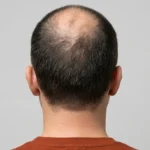
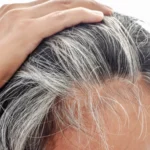
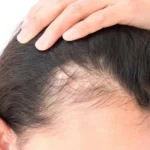
Vitamin deficiencies are a significant factor contributing to hair loss in females. Key vitamins, such as Vitamin D, Vitamin B12, and iron, play crucial roles in maintaining healthy hair. When deficiencies occur, hair follicles can become weakened, leading to hair thinning and hair loss. Addressing these deficiencies with the right dietary changes and supplements can help prevent further hair loss and promote healthier hair growth.
Introduction
Hair loss in females can be caused by several factors, with one of the leading causes being vitamin deficiency. Vitamin deficiency causes hair loss in females, as essential vitamins like Vitamin D, Vitamin B12, and iron support healthy hair growth. When these nutrients are lacking, the hair follicles may weaken, resulting in hair thinning, shedding, or even complete hair loss. In this article, we will explore the specific vitamins that contribute to hair health, how deficiencies in these vitamins can lead to hair loss, and effective ways to address these deficiencies.
Related; Effective medical treatments for female hair loss
1. Common Vitamin Deficiencies Linked to Hair Loss in Females
Vitamin D Deficiency and Hair Loss
Vitamin D is essential for the growth of hair follicles. When there is a deficiency, the hair growth cycle can be disrupted, leading to shedding and thinning. Studies have shown that low levels of Vitamin D are linked to alopecia areata, a condition where the immune system attacks hair follicles, leading to hair loss.
Iron Deficiency and Its Impact on Hair Health
Iron is crucial for the production of hemoglobin, which carries oxygen to the cells, including those in the hair follicles. Without sufficient iron, hair follicles can become undernourished, resulting in hair thinning and shedding. Iron deficiency is one of the most common causes of hair loss in women, especially those who experience heavy menstrual cycles.
Vitamin B12 Deficiency and Thinning Hair
Vitamin B12 plays a significant role in red blood cell production and the maintenance of healthy nerve cells, including those in the scalp. A deficiency in B12 can lead to anemia, which can cause hair loss due to poor circulation to the scalp and weakened hair follicles.
Zinc Deficiency and Hair Follicle Health
Zinc is essential for hair tissue growth and repair. Zinc deficiencies can cause hair follicles to shrink, leading to hair thinning and loss. Zinc also helps maintain oil glands around hair follicles, which are vital for healthy scalp condition.
Folic Acid Deficiency and Hair Regrowth
Folic acid, or Vitamin B9, is involved in the production of red blood cells and hair follicles. A lack of folic acid can lead to hair loss and poor hair regrowth. This vitamin is crucial for cellular division, and its deficiency can directly affect the health of hair follicles.
Related; What is the reason for hair fall in females
2. Symptoms of Vitamin Deficiency-Induced Hair Loss
How to Recognize Hair Loss Due to Nutrient Deficiency
Hair loss caused by a vitamin deficiency typically presents as sudden, widespread thinning or shedding, rather than in patches. You may notice increased hair fall when brushing or washing your hair. If your hair has become noticeably dull, dry, or brittle, this could also be a sign of nutrient deficiency.
Identifying Other Signs of Vitamin Deficiency in Women
Other signs of vitamin deficiency include fatigue, pale skin, dizziness, brittle nails, and dry skin. These symptoms, in combination with hair thinning, may indicate an underlying nutritional issue.
3. The Role of Vitamins in Hair Growth and Follicle Health
How Vitamins Support Healthy Hair Growth
Vitamins play an integral role in the growth, development, and maintenance of hair follicles. Vitamin D encourages the development of hair follicles, Vitamin B12 supports blood circulation to the scalp, and Zinc helps maintain the health of hair tissue. Each vitamin supports different aspects of the hair growth cycle, and when any of these nutrients are lacking, hair health can decline.
The Science Behind Vitamin Deficiencies and Hair Loss
Vitamin deficiencies cause disruptions in the hair growth cycle by weakening the hair follicles, decreasing blood supply to the scalp, or reducing the production of essential cells for hair regrowth. These physiological changes can result in noticeable hair loss.
4. Can Vitamin Supplements Help with Hair Loss?
Are Vitamin Supplements Effective in Treating Hair Loss?
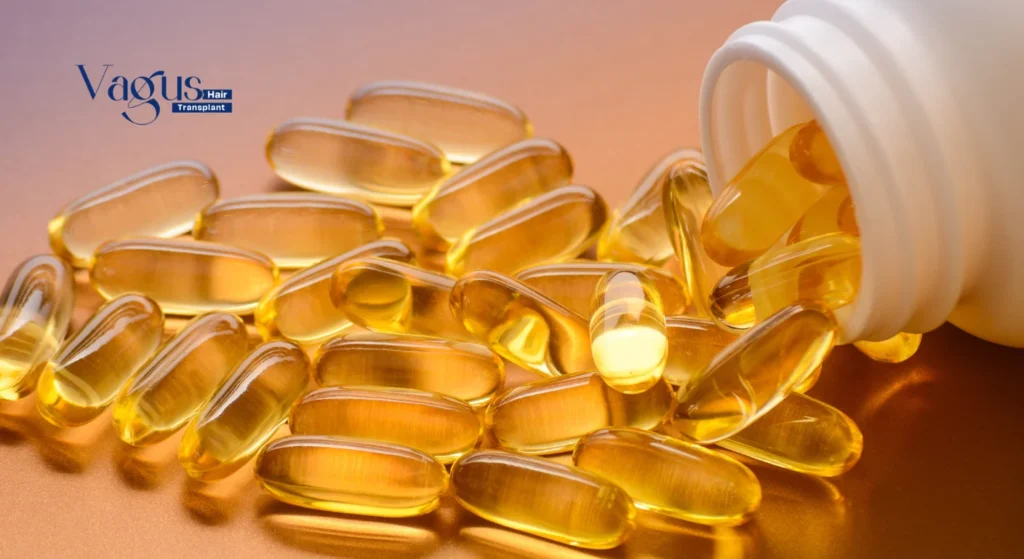
Yes, vitamin supplements can be effective in treating hair loss caused by deficiencies. Supplements such as Vitamin D, Vitamin B12, iron, and zinc can help replenish deficiencies and promote healthy hair growth. However, it is essential to consult a healthcare provider before starting supplements to ensure proper dosage and avoid toxicity.
Best Vitamin Supplements for Hair Health
Some of the best supplements for hair health include:
- Vitamin D: Promotes hair follicle regeneration.
- Iron: Supports circulation and oxygen flow to hair follicles.
- Vitamin B12: Vital for red blood cell production.
- Zinc: Encourages hair growth and repair.
- Folic Acid: Supports hair regeneration and health.
5. How to Prevent Hair Loss Due to Vitamin Deficiencies
Dietary Changes to Combat Vitamin Deficiency
A well-balanced diet can help prevent vitamin deficiencies and support healthy hair growth. Foods rich in vitamins like leafy greens, eggs, nuts, seeds, and fish can provide the essential nutrients needed for hair health.
Foods Rich in Vitamins for Healthy Hair
- Vitamin D: Fatty fish (salmon, mackerel), fortified dairy products, eggs.
- Iron: Red meat, spinach, lentils, beans.
- Vitamin B12: Meat, dairy products, eggs, fortified cereals.
- Zinc: Shellfish, meat, pumpkin seeds, lentils.
- Folic Acid: Leafy greens, avocados, beans, peas.
The Importance of a Balanced Diet for Hair Health
A balanced diet not only supports overall health but also ensures your hair receives the necessary nutrients to thrive. Proper nutrition supports hair strength, reduces hair shedding, and promotes regrowth.
6. Medical Treatments for Vitamin Deficiency-Induced Hair Loss
Consult a Doctor: When to Seek Professional Help
If you suspect that vitamin deficiency is causing your hair loss, it’s crucial to consult a healthcare provider. They can conduct blood tests to identify any deficiencies and recommend treatment options.
Medical Solutions and Hair Restoration Treatments
In addition to vitamins, medical treatments such as Direct Hair Implantation (DHI) and Follicular Unit Extraction (FUE) can help restore lost hair. These procedures help promote hair growth by transplanting healthy hair follicles into thinning or bald areas. DHI is particularly effective as it offers a quicker recovery time and more precise follicle implantation compared to FUE.
If you’re experiencing hair loss or noticing thinning hair, it might be time to address any vitamin deficiencies. A balanced diet rich in essential vitamins can help restore your hair’s health and promote growth.
Final Thoughts
Key Takeaways: Maintaining Healthy Hair Through Proper Nutrition
Vitamin deficiency causes hair loss in females, but it can be addressed through proper diet, supplements, and medical treatments. Maintaining a balanced diet rich in vitamins like Vitamin D, B12, iron, and zinc is essential for preventing hair loss and promoting healthy hair growth. If you experience significant hair loss, it’s crucial to consult a healthcare provider to identify any deficiencies and begin treatment promptly.
If you’re experiencing hair loss or noticing thinning hair, it might be time to address any vitamin deficiencies. A balanced diet rich in essential vitamins can help restore your hair’s health and promote growth.
7. Frequently Asked Questions
1.How Long Does It Take for Vitamins to Stop Hair Loss?
It can take several weeks to a few months for hair loss to stop after starting vitamin supplements. The exact timeline depends on the severity of the deficiency and how quickly the body responds to the treatment.
2.Can Hair Grow Back After Vitamin Deficiency-Induced Hair Loss?
Yes, hair can regrow after addressing the underlying vitamin deficiency, though it may take time. A consistent approach with proper nutrition and treatment can help restore hair health and regrowth.