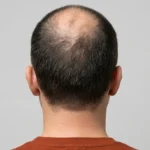
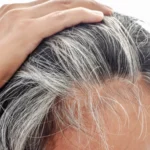
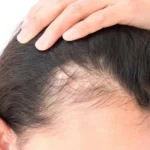
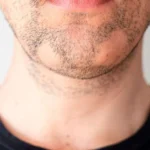
Alopecia is a condition that causes hair loss, impacting millions worldwide. The causes of alopecia vary, ranging from genetic factors to autoimmune disorders. Understanding what is alopecia and what are its causes, such as hormonal imbalances, stress, and certain medical conditions, is essential in identifying and treating the condition. In this blog, we will explore what alopecia is, the different types of alopecia, its causes, symptoms, and available treatment options to manage and restore hair growth.
1. Introduction
Alopecia is a condition that leads to hair loss, with varying degrees of severity. It can affect both men and women and may occur gradually or suddenly. There are several types of alopecia, each with distinct causes and characteristics. The most common type is Alopecia Areata, which is an autoimmune disorder where the immune system mistakenly attacks hair follicles. Other forms, such as Androgenetic Alopecia, are more related to genetic predisposition.
What Is Alopecia? Alopecia refers to hair loss from the scalp or other parts of the body. It can occur in small patches or lead to complete baldness, depending on the severity of the condition. The causes of alopecia can vary, and understanding these factors is crucial to finding effective treatment options.
Related; Medical treatment for Hair Loss
2. What Causes Alopecia? Uncovering the Roots of Hair Loss
Alopecia and its causes can be traced to several factors, ranging from genetics to environmental stressors. Here’s an in-depth look at the primary causes:
Genetic Factors: The Role of Family History
The most common cause of hair loss is Androgenetic Alopecia, which is genetically inherited. If you have a family history of hair loss, you are more likely to experience alopecia yourself. This form of hair loss typically manifests as a gradual thinning of hair, especially on the crown or along the hairline.
Hormonal Changes: How They Affect Hair Growth
Hormonal changes, especially in women, play a significant role in alopecia. Conditions like pregnancy, menopause, or thyroid imbalances can trigger hair thinning and loss. Hormonal fluctuations are particularly prominent in Alopecia Areata and Androgenetic Alopecia.
Autoimmune Disorders: The Link to Alopecia Areata
In Alopecia Areata, the body’s immune system attacks healthy hair follicles, causing hair loss in patches. This is the most recognized autoimmune disorder related to alopecia. Stress and other immune system changes can trigger flare-ups, leading to sudden hair loss.
Stress and Its Impact on Hair Health
Physical or emotional stress can also contribute to hair loss. Telogen Effluvium, a temporary form of hair shedding, often occurs after periods of significant stress. While hair usually regrows after the stressor is removed, prolonged stress can lead to chronic hair loss.
Nutritional Deficiencies: The Effect of Diet on Hair Loss
A lack of essential nutrients, such as iron, biotin, and zinc, can affect hair health. Nutritional deficiencies can lead to weakened hair follicles, contributing to hair thinning and loss. Maintaining a balanced diet can help prevent and manage alopecia.
Medical Conditions and Medications: How They Contribute to Alopecia
Certain medical conditions, including lupus, diabetes, and anemia, can cause hair loss. Additionally, medications used to treat conditions like cancer (chemotherapy) and high blood pressure may result in temporary or permanent alopecia.
3. Signs and Symptoms: How to Identify Alopecia
Recognizing alopecia early is crucial to managing the condition effectively. Common signs and symptoms include:
- Early Signs of Hair Loss: A gradual thinning of hair on the scalp, usually starting at the crown or temples.
- Recognizing the Different Types of Alopecia: Alopecia can present in various forms, such as patchy hair loss (Alopecia Areata) or widespread thinning (Androgenetic Alopecia).
- When to Seek Medical Advice: If you notice sudden or unusual hair loss, it’s important to consult a healthcare professional to determine the underlying cause.

4. Treatment Options for Alopecia
While alopecia cannot always be prevented, several treatment options can help restore hair growth or manage the condition.
Medical Treatments (Steroid Injections, Minoxidil, etc.)
Topical treatments like Minoxidil and steroid injections can promote hair regrowth for some individuals, especially in cases of Alopecia Areata. These treatments work by stimulating hair follicles and slowing down the shedding process.
Natural Remedies and Lifestyle Changes
Incorporating a healthy lifestyle, reducing stress, and using natural oils (like castor or rosemary oil) can help improve hair health. A balanced diet rich in vitamins and minerals supports overall hair growth.
Hair Restoration and Transplants
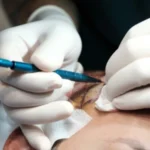
For individuals with more advanced forms of alopecia, hair restoration surgeries like Hair Transplants or DHI (Direct Hair Implantation) may be effective. These procedures transplant hair follicles from thicker areas to bald spots.
Coping with the Emotional Impact of Alopecia
Alopecia can impact self-esteem, and emotional support may be necessary. Support groups, counseling, and wigs or hairpieces can help individuals cope with the emotional aspects of hair loss.
5. Can Alopecia Be Prevented? Tips for Prevention and Early Intervention
Although alopecia cannot always be prevented, there are ways to reduce the risk and manage it early:
Lifestyle Changes for Healthy Hair Growth
Maintaining a healthy diet, regular exercise, and stress management can help prevent certain types of alopecia.
How to Reduce Stress and Improve Hair Health
Stress management techniques, such as meditation, yoga, and relaxation exercises, can prevent stress-induced hair loss.
Dietary Tips to Prevent Alopecia
Ensure you are getting enough vitamins and minerals, particularly biotin, iron, and vitamin D, which are crucial for hair health.
6. Final Thoughts
Alopecia can be caused by various factors, from genetic predispositions to autoimmune disorders. Understanding the underlying causes of alopecia is essential for identifying the right treatment options and managing the condition. Early diagnosis and intervention can help improve outcomes and prevent further hair loss.
If you’re struggling with alopecia or noticing early signs of hair loss, understanding its causes and treatment options is the first step toward reclaiming your hair health.
Frequently Asked Questions
1.What is Alopecia Areata?
A: Alopecia Areata is an autoimmune condition where the immune system mistakenly attacks hair follicles, causing round patches of hair loss.
2.Can alopecia be cured?
A: While there is no cure for alopecia, treatments like Minoxidil, steroid injections, and hair transplant surgery can help manage the condition and promote hair regrowth.
3.How long does it take to see results from alopecia treatment?
A: It varies depending on the treatment. For example, Minoxidil may take 3–6 months to show visible results, while hair transplants can take up to a year for full hair growth.
4.Is there a link between stress and alopecia?
A: Yes, stress can trigger a type of alopecia called Telogen Effluvium, which causes temporary hair shedding.
5.What dietary changes can help with alopecia?
A: Eating a balanced diet rich in vitamins and minerals, particularly iron, biotin, and zinc, can support hair health and potentially reduce hair loss.