Hair fall and baldness are common concerns that affect both men and women, leading to a loss of confidence. To prevent hair fall and baldness, it’s important to understand the causes, symptoms, and treatments available. From lifestyle changes to medical interventions, including hair fall treatments like those offered at Vagus Hair Transplant in Islamabad, this guide covers everything you need to know to prevent hair thinning and encourage hair regrowth. By making informed choices and incorporating preventive measures, you can combat hair loss and maintain healthy hair.
Introduction
Hair fall and baldness are growing concerns for people across the globe. The loss of hair can significantly impact an individual’s confidence and self-esteem, leading many to search for solutions to prevent these issues. Hair fall and baldness can occur due to various reasons, including genetics, lifestyle factors, and medical conditions. In this blog, we will discuss practical tips and medical treatments to prevent hair fall and baldness, with insights into treatments such as hair fall treatment at Vagus Hair Transplant in Islamabad. Understanding the causes, symptoms, and preventive measures is key to managing this condition effectively.
Causes of Hair Fall and Baldness
Common Causes of Hair Fall:
Several factors contribute to hair fall and baldness, the most common being hormonal changes, stress, and genetic predisposition. In men, male pattern baldness (androgenetic alopecia) is often the result of genetic factors, while women may experience thinning hair due to hormonal imbalances, especially during pregnancy or menopause.
The Role of Diet and Nutrition in Hair Loss:
A poor diet lacking essential vitamins and minerals can contribute to hair thinning and hair loss. Nutrients like biotin, zinc, and vitamins A and D are vital for hair health. Ensure you are getting adequate nutrition to support healthy hair growth.
Medical Conditions and Hair Fall:
Medical conditions such as thyroid disorders, anemia, and polycystic ovary syndrome (PCOS) can also contribute to hair fall. If you suspect your hair loss may be related to an underlying health condition, it’s important to consult a healthcare professional for diagnosis and treatment.
The Impact of Hair Care Habits on Hair Loss:
Harsh hair care products and excessive heat styling can damage hair follicles, leading to hair thinning and increased shedding. Avoiding tight hairstyles, excessive brushing, and using gentle hair care products can reduce the risk of damage.
How Age Affects Hair Growth and Baldness:
As we age, the rate of hair growth naturally slows down, and hair follicles become smaller and weaker, contributing to baldness. Aging is one of the primary causes of hair thinning, particularly in men.
Types of Hair Loss
Androgenetic Alopecia: The Most Common Type of Baldness:
Androgenetic alopecia is a hereditary condition that causes hair to gradually thin and fall out, typically starting at the temples or crown. It affects both men and women but is more common in men.
Telogen Effluvium: Temporary Hair Loss Explained:
This type of hair loss is usually temporary and occurs due to stress, illness, or significant changes in life. It can result in shedding of hair during the telogen (resting) phase of the hair growth cycle.
Alopecia Areata: Autoimmune Hair Loss:
Alopecia areata is an autoimmune disorder that causes sudden hair loss in small, round patches. It can affect both the scalp and other areas of the body.
Scarring Alopecia: When Hair Follicles Are Damaged:
Scarring alopecia occurs when hair follicles are permanently damaged due to inflammation or infection, leading to irreversible hair loss. This type of hair loss is less common but requires immediate medical attention.
Symptoms and Early Signs of Hair Loss
How to Spot the Early Signs of Baldness:
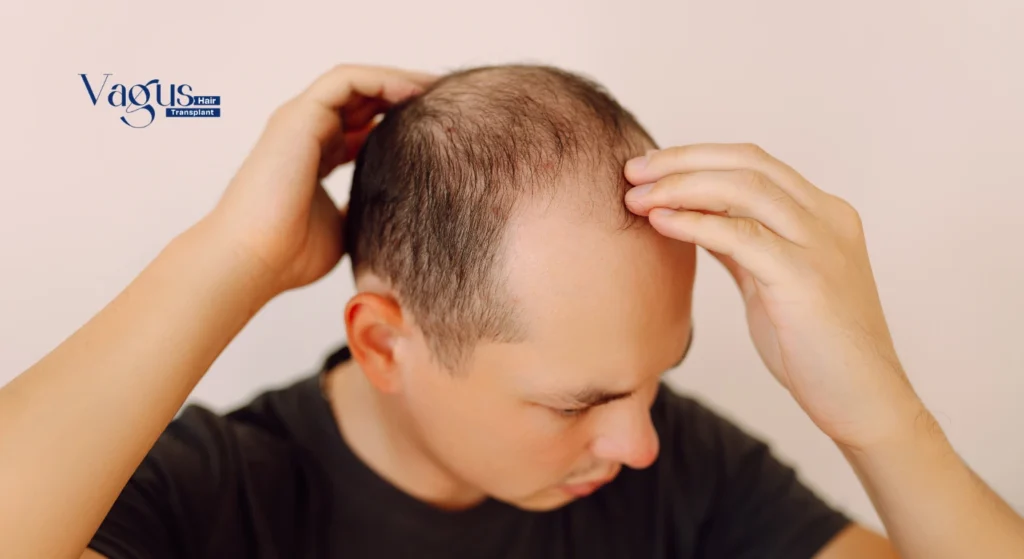
Hair thinning usually begins subtly, with increased shedding during brushing or washing. If you notice a widening part or receding hairline, these could be early signs of baldness.
Understanding Thinning Hair vs. Complete Hair Loss:
Thinning hair refers to a gradual reduction in hair density, while complete hair loss (baldness) can result in noticeable patches or total hair loss, often occurring more rapidly.
Treatments and Solutions for Hair Fall and Baldness
Medical Treatments for Hair Loss:
There are several FDA-approved treatments for hair fall and baldness, including minoxidil and finasteride. These medications help promote hair regrowth and slow down hair loss.
RELATED; Effective Medical Treatment for Hair Loss
Natural Remedies for Hair Fall:
Essential oils like rosemary, peppermint, and lavender are popular natural remedies that can stimulate hair growth. Herbal solutions like saw palmetto and a healthy diet rich in antioxidants may also help prevent hair thinning.
Hair Transplant Surgery:
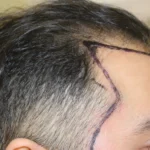
Hair transplant surgery, such as Follicular Unit Extraction (FUE) or Direct Hair Implantation (DHI), is a long-term solution for permanent hair restoration. DHI, in particular, offers quicker recovery times and a more natural look than traditional FUE/FUT.
Platelet-Rich Plasma (PRP) Therapy:
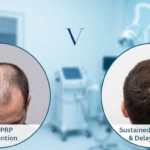
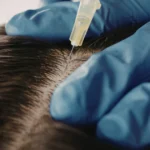
PRP therapy involves injecting your own platelet-rich plasma into the scalp to stimulate hair growth. It’s a non-surgical procedure that can complement other treatments.
Over-the-Counter vs. Prescription Treatments:
Over-the-counter treatments like minoxidil can be effective for some individuals, but prescription treatments like finasteride offer more potent results. Consult with a specialist to determine which option is best for your needs.
Preventing Hair Fall: Tips and Best Practices
How to Improve Your Diet for Healthier Hair:
A nutrient-rich diet, including proteins, omega-3 fatty acids, and vitamins, is essential for healthy hair. Incorporate foods like eggs, salmon, spinach, and nuts into your daily meals.
Hair Care Tips: How to Avoid Damaging Your Hair:
Avoid harsh treatments such as excessive heat styling or tight hairstyles that can stress the hair follicles. Use sulfate-free shampoos and conditioners that are gentle on your scalp and hair.
Managing Stress to Prevent Hair Loss:
Chronic stress is a major contributor to hair thinning and hair fall. Practice relaxation techniques such as meditation, yoga, or deep breathing exercises to reduce stress levels.
Choosing the Right Hair Care Products for Thinning Hair:
Opt for hair care products designed specifically for thinning or fragile hair. Look for ingredients that promote hair strength and nourishment, such as biotin, keratin, and collagen.
Psychological Impact of Hair Fall and Baldness
Dealing with the Emotional Effects of Hair Loss:
Hair loss can take a toll on one’s emotional well-being. Support groups, therapy, and self-care practices can help individuals cope with the psychological effects of baldness.
How to Boost Confidence While Managing Baldness:
Finding ways to enhance your appearance, such as wearing stylish hats or opting for hair replacement treatments, can boost confidence and help manage the emotional impact of hair fall.
Support and Resources for People Struggling with Hair Loss:
Support is available through online communities, counseling, and hair restoration specialists. Don’t hesitate to seek help if hair loss is affecting your mental health.
Final Thoughts
Key Takeaways: Managing and Preventing Hair Fall and Baldness
Preventing hair fall and baldness requires a multi-faceted approach, including understanding the causes, using appropriate treatments, and maintaining healthy lifestyle habits. Whether you choose medical treatments, natural remedies, or hair transplant surgery, staying informed and proactive can help you maintain healthy hair. Hair fall treatment at Vagus Hair Transplant in Islamabad offers advanced solutions for those seeking professional care. With the right strategy, you can slow down or prevent hair loss and enjoy a fuller, healthier head of hair.
Are you struggling with hair fall or baldness? Don’t wait any longer to take control of your hair health! Explore effective treatments and professional solutions like hair transplants and PRP therapy to regain your confidence.
Frequently Asked Questions
1.What are the most effective treatments for hair fall and baldness?
Minoxidil, finasteride, hair transplant surgery (FUE or DHI), and Platelet-Rich Plasma (PRP) therapy are among the most effective treatments for hair fall and baldness.
2.Can stress cause hair loss, and how can I manage it?
Yes, stress is a major contributor to hair thinning and hair fall. Managing stress through relaxation techniques like meditation and yoga can help prevent hair loss.
3.How soon can I expect results from hair loss treatments?
Results from treatments like minoxidil or finasteride may take several months to become noticeable, while hair transplant procedures typically show results within 6 to 12 months.
4.Is hair transplant surgery safe, and how does it work?
Hair transplant surgery, including FUE and DHI, is generally safe when performed by a qualified professional. It involves transplanting hair follicles from one part of your scalp to thinning or bald areas, leading to natural hair regrowth.