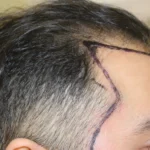
Can hair grow back after traction alopecia? Yes, hair can grow back after traction alopecia, but the result depends mainly on the stage of hair loss. When traction alopecia is identified early, hair follicles are usually still alive and capable of regrowth once the pulling force is removed and proper treatment is started. In such cases, hair regrowth after traction alopecia is very much possible. However, if the condition continues for a long time and leads to permanent hair follicle scarring, natural regrowth may no longer occur. This article explains what traction alopecia is, whether it is reversible, how long recovery takes, and when a hair transplant becomes necessary.
Introduction
If you are searching for can hair grow back after traction alopecia, you are likely concerned about thinning edges, a receding hairline, or gradual hair loss caused by constant tension on the hair. Traction alopecia is a common form of hair loss that develops when hair follicles are repeatedly pulled over a long period of time.
In its early phase, traction alopecia hair loss is usually classified as non-scarring alopecia, meaning the hair follicles are stressed but not destroyed. This is why early-stage traction alopecia often responds well to treatment. However, if chronic hair traction continues, it can lead to hair follicle damage and scarring, making the hair loss permanent. Understanding this difference is crucial in deciding whether hair will grow back after traction alopecia.
What Is Traction Alopecia?
Traction alopecia is a type of hair loss caused by continuous mechanical stress on the hair shaft and follicles. Dermatologists commonly see this condition in individuals who regularly wear tight hairstyles that place tension on the scalp. Over time, this constant pulling causes inflammation of hair follicles, weakens them, and eventually disrupts normal hair growth.
The condition most commonly affects the hairline, temples, and edges. In the beginning, follicles remain visible and functional, but without intervention, traction alopecia may progress from a reversible condition into scarring alopecia, where follicles are permanently damaged.
Related: Which One Improves Hair Shaft Thickness Better?
Traction Alopecia Causes
Hairstyling habits and lifestyle practices primarily cause traction alopecia. Repeated use of tight braids, ponytails, buns, cornrows, dreadlocks, wigs, and hair extensions places continuous stress on the scalp. Over time, this chronic hair traction leads to inflammation and gradual weakening of the follicles.
Other contributing factors include hijab-related hair traction due to prolonged pressure in the same areas, postpartum traction alopecia where hormonal changes combine with styling stress, and certain practices within the natural hair movement when styles are worn too tightly or for extended periods.
Traction Alopecia Symptoms: How to Recognise the Condition
In the early stages, traction alopecia symptoms may include mild hairline thinning, broken hairs around the edges, and scalp tenderness. Many people ignore these signs, assuming the issue is temporary.
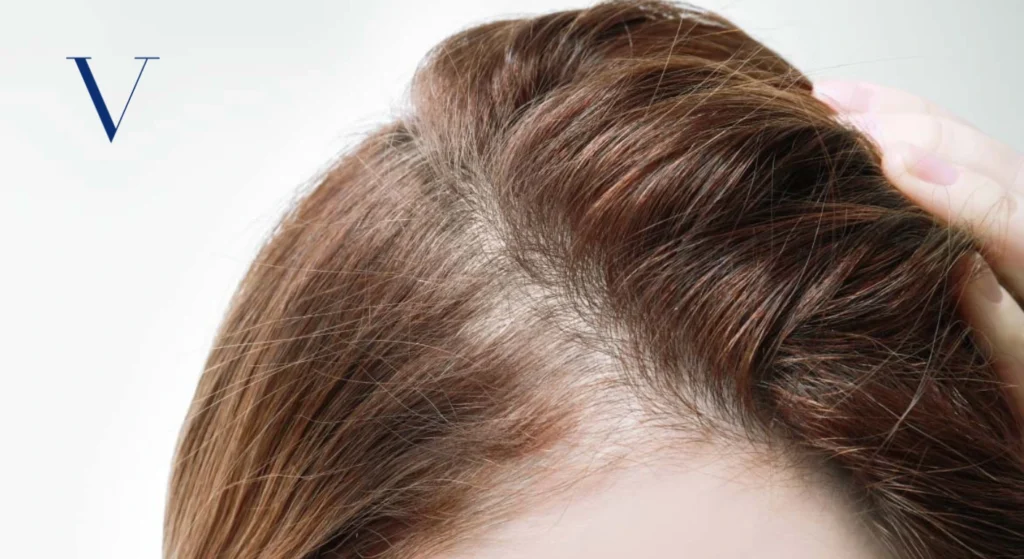
As the condition progresses, symptoms become more noticeable. The scalp may appear smooth or shiny in affected areas, and visible follicle openings may disappear. At this stage, traction alopecia is more likely to be permanent due to hair follicle scarring.
Traction Alopecia vs Androgenetic Alopecia (Pattern Baldness)
Traction alopecia and androgenetic alopecia are two common forms of hair loss that are frequently confused due to overlapping signs such as hairline thinning and gradual hair loss. Despite these similarities, the underlying causes, progression, and treatment approaches are fundamentally different. Traction alopecia results from prolonged mechanical stress on the hair follicles caused by tight hairstyles, extensions, or repeated tension. In its early stages, it is considered a non-scarring form of hair loss and may be reversible once the source of traction is eliminated.
Related: What Causes Androgenetic Alopecia?
In contrast, androgenetic alopecia, commonly referred to as pattern baldness, is a genetically determined condition influenced by hormonal sensitivity, particularly to dihydrotestosterone (DHT). It follows a predictable pattern of hair thinning and typically progresses over time. While traction alopecia can often improve with lifestyle changes and targeted treatment, androgenetic alopecia generally requires long-term medical management to slow progression and maintain hair density.
| Feature | Traction Alopecia | Androgenetic Alopecia |
| Primary Cause | Chronic mechanical tension on hair follicles | Genetic predisposition and hormonal influence (DHT) |
| Areas Commonly Affected | Hairline, temples, and edges | Frontal scalp, crown, and part line |
| Pattern of Hair Loss | Localized and tension-related | Gradual, patterned thinning |
| Onset | Related to prolonged styling practices | Age-related and progressive |
| Reversibility | Often reversible in early stages | Typically progressive and long-term |
| Follicle Changes | Initial follicle stress without scarring | Follicle miniaturization |
| Treatment Focus | Eliminating traction and promoting regrowth | Long-term medical therapy |
| Preventability | Largely preventable with proper hair care | Not preventable due to genetics |
Is Traction Alopecia Permanent or Reversible?
A widespread question is: Is traction alopecia permanent or reversible? The answer depends on how long the follicles have been under stress. When traction alopecia is diagnosed early, and scarring has not occurred, the condition is usually reversible. Hair follicles can recover once tension is removed, and treatment begins.
However, if traction continues for years, follicles may be permanently damaged. In such cases, traction alopecia becomes irreversible, and regrowth through medical or natural methods is unlikely.
Will Hair Grow Back After Traction Alopecia?
Hair can grow back after traction alopecia if the follicles are still intact. Many patients experience hair regrowth after traction alopecia once they stop tight hairstyles and begin appropriate treatment. Early intervention often leads to visible improvement within a few months.
On the other hand, if traction alopecia has reached the scarring stage, hair regrowth may not occur naturally. This is why early diagnosis plays such a critical role in recovery outcomes.
Hair Regrowth Timeline After Traction Alopecia
The hair regrowth timeline varies depending on severity. In mild cases, shedding usually reduces within the first one to three months after stopping tight hairstyles. New hair growth often becomes noticeable between three and six months. Significant improvement in density may take six to twelve months, especially in early-stage traction alopecia.
Traction Alopecia Treatment Options
Medical treatment focuses on reducing inflammation and stimulating follicle activity. Topical minoxidil is commonly prescribed and has shown positive results in non-scarring cases. Minoxidil for traction alopecia works by improving blood flow to weakened follicles and supporting regrowth.
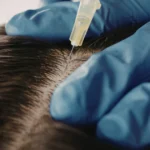
In some cases, dermatologists may recommend corticosteroid injections to reduce inflammation. Advanced therapies such as platelet-rich plasma (PRP) therapy, microneedling for traction alopecia, exosome hair therapy, growth factor therapy, peptide hair growth serum, and low-level laser therapy (LLLT) are also used to improve follicle recovery potential.
Natural Hair Regrowth and Supportive Care
Natural hair regrowth methods can support healing, but should not be relied upon as the sole treatment in advanced cases. Gentle scalp massage therapy, hair growth oils, and adopting protective hairstyles that prioritise hair health can improve scalp circulation and reduce further damage. Most importantly, increasing scalp tension awareness helps prevent recurrence.
When Is a Hair Transplant Necessary? – Vagus Hair Transplant
When traction alopecia progresses to permanent hair loss due to scarring alopecia, medical treatments alone are no longer effective. In such situations, Vagus Hair Transplant becomes a suitable and reliable option.
At Vagus Hair Transplant, healthy hair follicles are carefully transplanted into areas affected by traction alopecia. This procedure is especially beneficial for patients with stable hair loss where natural regrowth is no longer possible. With proper assessment and modern techniques, Vagus Hair Transplant offers natural-looking and permanent results, helping patients restore both hair density and confidence.
How to Stop Traction Alopecia and Prevent It
Preventing traction alopecia involves changing daily hair practices. Avoiding tight hairstyles, rotating styling methods, protecting the hairline during sleep, and following professional dermatologist hairline advice are essential steps. Long-term hairline protection and mindful styling habits significantly reduce the risk of recurrence.
Frequently Asked Questions
Can traction alopecia be reversed?
Yes, traction alopecia can be reversed if it is treated early before scarring develops.
Does minoxidil help traction alopecia?
Topical minoxidil can help stimulate regrowth in non-scarring traction alopecia.
How long does traction alopecia take to recover?
Recovery usually takes several months, depending on how early treatment begins.
Is hair transplant permanent for traction alopecia?
Yes, hair transplant offers a permanent solution for scarring traction alopecia.