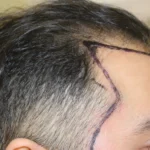
Yes, magnesium deficiency can affect hair transplant recovery indirectly by slowing the body’s natural healing processes, reducing sleep quality, increasing stress levels, and contributing to fatigue or muscle tension. While it does not directly determine graft survival, low magnesium after a procedure may create a less favorable recovery environment. Maintaining healthy magnesium levels through diet or medical guidance can support smoother healing, better comfort, and overall post-transplant recovery.
Introduction
Recovering from a hair transplant depends on many factors, including surgical technique, aftercare, overall health, and nutrition. One nutrient that is often overlooked is magnesium. Many patients ask whether magnesium deficiency can delay healing or reduce results after a transplant. The short answer is yes magnesium deficiency may interfere with recovery by affecting sleep, stress response, circulation, and tissue repair, even though it does not directly damage transplanted grafts.
Magnesium plays a role in hundreds of body functions, including nerve balance, muscle relaxation, energy production, and wound healing. That is why concerns about magnesium after hair transplant procedures are becoming more common. If someone already has low magnesium after hair transplant, symptoms such as poor sleep, fatigue, or tension may make recovery feel slower and less comfortable.
Clinics that focus on complete recovery, such as those led by Dr Rana Irfan, often emphasize that nutrition and lifestyle support healing alongside expert surgical care. Understanding magnesium deficiency recovery can help patients make smarter choices before and after their procedure.
Can Low Magnesium Slow Recovery?
Yes, low magnesium levels can slow recovery in some patients. Magnesium helps regulate inflammation, supports healthy blood flow, and contributes to new cell repair. If levels are low, the body may not recover as efficiently.
However, this does not mean every patient with magnesium deficiency will have poor results. Hair transplant success still depends mostly on surgeon skill, graft handling, scalp health, and aftercare. Magnesium mainly supports the body’s ability to heal well.
Why Magnesium Matters After a Hair Transplant
Supports Healing and Tissue Repair
After a transplant, the scalp needs to repair tiny extraction and implantation sites. Magnesium helps cellular energy production, which is important for rebuilding tissue. Good nutrient balance can make healing smoother and more comfortable.
Many people exploring magnesium for hair transplant healing focus on this benefit because recovery relies on the body’s ability to restore skin barriers and calm irritation.
Related: What Are the Benefits of Magnesium After Hair Transplant?
Helps Sleep, Stress, and Recovery
Sleep is when the body performs much of its repair work. Magnesium supports relaxation and nervous system balance, which may improve sleep quality. It can also help manage stress levels.
Since stress can contribute to shedding and slower recovery, healthy magnesium status may be useful during the post-procedure phase.
Supports Circulation and Inflammation Balance
Blood flow is essential because healing tissue needs oxygen and nutrients. Magnesium contributes to normal vascular function. It also helps maintain a balanced inflammatory response, which is useful after minor surgical procedures.
How Magnesium Deficiency May Affect Recovery
Slower Healing
When the body lacks enough magnesium, energy production may be less efficient. This can potentially slow normal repair processes in the donor and recipient areas.
Poor Sleep and Higher Stress
Many people with magnesium deficiency report restless sleep, irritability, or higher tension. If sleep quality drops after surgery, recovery may feel more difficult.
Related: How Stress Affects Hair and What You Can Do About It
Weakness, Cramps, or Fatigue
Low magnesium can cause tiredness, muscle tightness, or cramps. These symptoms do not damage grafts directly, but they can make the healing period more uncomfortable.
Temporary Shedding or Slower Growth Support
Hair growth after transplant follows a natural timeline. Magnesium cannot force faster growth, but poor nutrition may reduce optimal support for follicles. This is why magnesium for hair follicle health is often discussed in recovery planning.
Does It Affect Graft Survival Directly?
What It Can Influence
Magnesium may influence:
- Recovery comfort
- Sleep quality
- Stress response
- Healing efficiency
- General wellness during recovery
What It Cannot Change
Magnesium cannot change:
- Surgical placement quality
- Donor hair thickness
- Natural growth cycles
- Poor surgical technique
- Mechanical trauma to grafts
So while magnesium deficiency matters for wellness, it is not the sole factor in final transplant outcomes.
Signs of Magnesium Deficiency
Fatigue and Low Energy
One of the most common signs of magnesium deficiency is persistent tiredness, weakness, or reduced stamina. Magnesium is involved in energy production at the cellular level, so when levels are low, the body may struggle to produce energy efficiently. This can leave you feeling drained even after rest. During hair transplant recovery, low energy may make it harder to stay active, maintain routines, and feel comfortable throughout the healing process.
Muscle Cramps or Twitching
Muscle spasms, eye twitching, leg cramps, or general tightness can sometimes indicate low magnesium levels. Magnesium helps regulate muscle contraction and relaxation, so deficiency may lead to unwanted tension or discomfort. Some patients recovering from a hair transplant may also notice neck or shoulder tightness due to stress, and poor magnesium status can make this feel worse. While these symptoms do not harm grafts directly, they can add unnecessary discomfort during recovery.
Sleep Problems or Anxiety
Poor sleep, restlessness, nervous tension, or feeling unusually stressed may also be linked to deficiency in some cases. Magnesium supports nervous system balance and relaxation, which is why healthy levels are often associated with better sleep quality. Since sleep is one of the most important parts of healing, disrupted rest after a procedure may slow the body’s recovery response. High stress levels can also make the post-transplant period feel more challenging.
If symptoms continue, testing through a healthcare provider is the best next step. Blood work, medical history, and professional guidance can help determine whether magnesium deficiency is the real cause or whether another issue is involved.
Should You Take Magnesium After a Hair Transplant?
When Supplements May Help
Supplements may help if testing confirms deficiency, diet intake is poor, or symptoms strongly suggest low levels. People with digestive issues, restrictive diets, chronic stress, or poor sleep may sometimes have a higher risk of deficiency. In these cases, proper magnesium deficiency treatment can support overall recovery, improve comfort, and help restore normal body functions. However, supplements should be chosen carefully rather than taken blindly.
Food Sources vs Supplements
Food is often the safest first approach because it provides magnesium naturally along with fiber, antioxidants, vitamins, and other important minerals. Whole foods help improve nutrition without relying entirely on tablets or powders.
Supplements may be useful when diet alone is not enough, but dosage should match personal needs. Taking excessive magnesium can cause stomach upset or diarrhea, so more is not always better. Many people do well by improving diet first and then using supplements only if needed.
When to Ask a Doctor
You should speak with a doctor if you have kidney disease, digestive disorders, take medications, or experience ongoing symptoms such as fatigue, cramps, or poor sleep. These conditions can affect magnesium balance or change how supplements should be used. Professional guidance prevents unnecessary supplementation and helps identify the safest and most effective approach after a hair transplant.
Best Magnesium Foods for Recovery
Nuts, Seeds, and Leafy Greens
Pumpkin seeds, almonds, cashews, spinach, and Swiss chard are excellent magnesium-rich foods. They are easy to add to meals and snacks while also providing healthy fats, antioxidants, and minerals that support general wellness. Leafy greens are especially useful because they also contain nutrients linked with circulation and skin health, both of which are valuable during recovery.
Beans, Avocados, and Dark Chocolate
Black beans, lentils, avocados, and moderate portions of dark chocolate can help improve magnesium intake naturally. Beans and lentils also provide plant protein and fiber, making them useful for balanced meals. Avocados contain healthy fats that support overall nutrition, while dark chocolate in moderation can be a simple magnesium source. Including a variety of these foods may help support healing without relying only on supplements.
Other Nutrients That Support Recovery
Protein, Zinc, Iron, Vitamin D
Magnesium is only one piece of the recovery puzzle. Other nutrients matter too:
- Protein: supports tissue rebuilding
- Zinc: helps repair and immune balance
- Iron: supports oxygen transport
- Vitamin D: linked with follicle function and scalp health
A balanced diet works better than relying on one supplement alone.
Final Thoughts
Yes, magnesium deficiency can affect hair transplant recovery indirectly by reducing sleep quality, increasing fatigue, slowing healing support, and making recovery less comfortable. It does not directly determine whether grafts survive, but it can influence the environment in which healing happens.
For best results, patients should combine expert surgical care, proper aftercare, hydration, stress control, and balanced nutrition. Experienced professionals such as Dr Rana Irfan often emphasize that successful recovery is about both procedure quality and patient wellness.
If you suspect magnesium deficiency causes symptoms during recovery, speak with a qualified healthcare provider for testing and personalized advice.
Frequently Asked Questions
Can magnesium deficiency cause transplanted hair to fail?
Not directly. It does not usually kill grafts, but it may reduce overall recovery quality through stress, poor sleep, or slower healing support.
Is magnesium after hair transplant recommended for everyone?
No. Not everyone needs supplementation. Many people get enough magnesium through food.
How long does magnesium deficiency recovery take?
It depends on severity, diet, absorption, and treatment approach. Some people feel improvement within weeks.
Can low magnesium after hair transplant increase shedding?
It may contribute indirectly through stress or poor health status, but shedding after transplant is often part of the normal hair cycle.
What is the best magnesium source for recovery?
Whole foods such as seeds, nuts, legumes, leafy greens, and avocados are excellent first options.