Hair loss in males is a common concern that can stem from a variety of causes, including genetic factors, hormonal imbalances, medical conditions, lifestyle choices, and even environmental factors. Understanding the causes of hair loss in males is the first step in identifying effective treatments and prevention strategies. This article will explore these causes in detail, including how each factor contributes to hair thinning, shedding, and baldness in men, and provide insights into treatment options, realistic expectations, and hair restoration methods like DHI (Direct Hair Implantation).
Introduction
Hair loss in males is a widespread issue that can affect self-esteem and confidence. Identifying the causes of hair loss in males is crucial for understanding the underlying factors contributing to hair thinning and shedding. Whether it’s due to genetics, hormonal changes, or lifestyle choices, knowing the root cause can help in choosing the right treatment options for male hair loss and implementing hair loss prevention for men strategies. In this article, we will explore the most common causes of hair loss in men and discuss the available treatments that can help slow down or reverse the process.
Related ;What is the best Hair transplant method
1. Genetic Factors: The Role of Heredity in Male Hair Loss
Overview of Male Pattern Baldness (Androgenetic Alopecia)
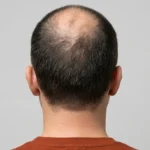
The most common cause of hair loss in men is androgenetic alopecia, also known as male pattern baldness. This condition is largely determined by genetics and typically manifests as a receding hairline and thinning at the crown. The inheritance of specific genes from both parents can make certain men more predisposed to this condition.
How Genetics Contribute to Hair Thinning and Loss
Genetic predisposition leads to a gradual reduction in the size of hair follicles, which causes hair to become thinner over time. This process is often exacerbated by hormonal factors, especially Dihydrotestosterone (DHT), a hormone that plays a significant role in hair follicle miniaturization.
2. Hormonal Changes and Imbalances
Dihydrotestosterone (DHT) and Its Effect on Hair Follicles
DHT is a derivative of the male hormone testosterone and is a key player in male pattern baldness. It binds to receptors on hair follicles, causing them to shrink and eventually stop producing hair. This hormonal imbalance is most often seen as men age.
Hormonal Fluctuations Due to Aging or Other Conditions
As men age, testosterone levels naturally decline, which can lead to an increase in DHT. Additionally, hormonal fluctuations due to conditions like hypothyroidism or high levels of cortisol (stress hormone) can contribute to hair shedding and thinning.
3. Medical Conditions Linked to Hair Loss
Thyroid Problems and Their Impact on Hair
Thyroid imbalances, especially hypothyroidism or hyperthyroidism, can lead to significant hair loss. An underactive thyroid can cause hair to become dry and brittle, while an overactive thyroid can result in shedding and thinning.
Autoimmune Diseases (e.g., Alopecia Areata)
Alopecia Areata is an autoimmune condition where the body’s immune system attacks its own hair follicles, resulting in sudden hair loss in small, round patches. While not as common, it can lead to full scalp baldness in some cases.
Scalp Infections and Other Conditions That Cause Hair Shedding
Infections like ringworm or fungal infections on the scalp can disrupt hair growth. Additionally, scalp conditions like seborrheic dermatitis (dandruff) can cause hair thinning.
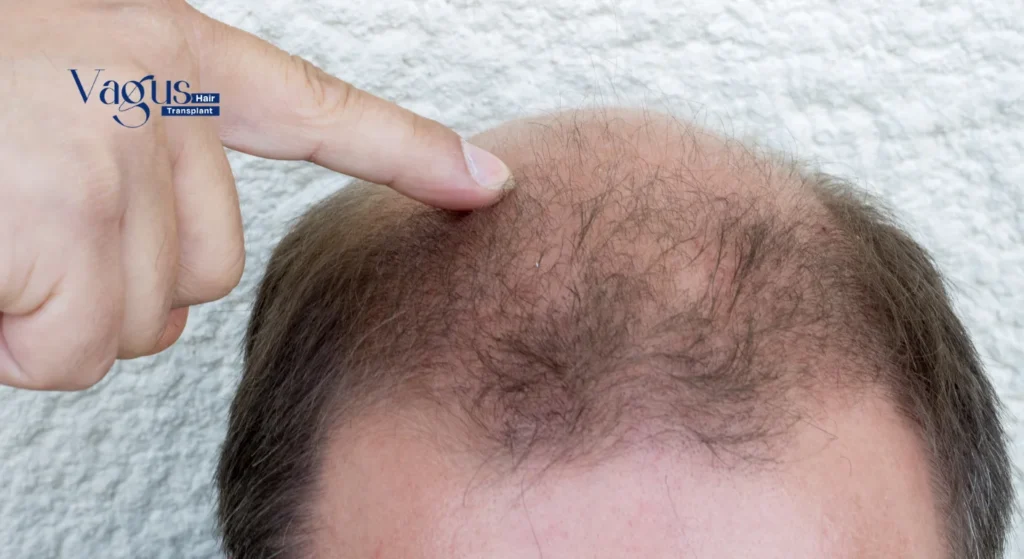
4. Lifestyle Factors: Stress, Diet, and Habits
The Impact of Stress on Hair Health
Chronic stress is a well-known factor that can contribute to hair shedding. It triggers the telogen effluvium phase, where hair prematurely enters the shedding phase. Managing stress through relaxation techniques and regular exercise can help reduce its impact on hair health.
Poor Nutrition and Its Role in Hair Thinning
A lack of essential nutrients such as iron, vitamins, and proteins can weaken hair follicles and lead to male hair shedding. A balanced diet rich in vitamins A, C, D, E, zinc, and omega-3 fatty acids is vital for healthy hair growth.
Smoking and Alcohol Consumption
Smoking reduces blood flow to the scalp, which can inhibit hair growth. Similarly, excessive alcohol consumption can dehydrate the body, making hair brittle and prone to breakage.
5. Medications and Treatments: Side Effects That Lead to Hair Loss
Common Drugs That Cause Hair Shedding (e.g., Chemotherapy, Blood Thinners)
Some medications, especially chemotherapy drugs, blood thinners, and certain antidepressants, can lead to hair loss in males. It’s important to consult a doctor if you suspect your medication is causing hair thinning.
How Medication-Induced Hair Loss Differs from Other Causes
Medication-induced hair loss typically occurs in a diffuse pattern across the scalp and may be temporary once the medication is discontinued.
6. Environmental Factors and Hair Care Products
How Pollution and Climate Affect Hair Health
Exposure to environmental pollutants like dust, smoke, and heavy metals can weaken hair and cause premature aging. Airborne toxins can settle on the scalp, disrupting the hair follicles’ natural growth cycle.
Harsh Hair Care Products and Practices That May Contribute to Hair Loss
Certain hair care products, such as shampoos with harsh chemicals or styling products that contain alcohol, can dry out the scalp and contribute to hair thinning. Over-washing or excessive heat styling can also damage hair strands and prevent healthy growth.
7. Prevention and Treatment: What Can Be Done?
Tips for Managing Hair Loss
Maintaining a healthy lifestyle with a balanced diet, regular exercise, and stress management can help prevent or slow down hair loss. Hair loss prevention for men also involves proper scalp care, such as regular washing with mild products.
Treatments (Medications, Topical Treatments, Lifestyle Changes)
There are several treatments available, including minoxidil (Rogaine) and finasteride (Propecia), which can help slow hair loss and promote regrowth. Additionally, hair transplants, such as DHI(Direct Hair Implantation) and FUE, offer long-term solutions for restoring hair.
When to Seek Professional Help (Dermatologist or Hair Transplant)
If hair loss is severe or showing no signs of improvement with over-the-counter treatments, it’s essential to consult a dermatologist or hair restoration specialist to explore more advanced options, such as Direct Hair Implantation (DHI) or FUE hair transplant/FUT hair transplant.
8.Final Thoughts
Understanding the causes of hair loss in males is crucial for taking proactive steps toward treatment and prevention. Whether your hair loss is genetic, hormonal, or related to lifestyle factors, there are effective ways to manage and treat the condition. If you’re experiencing significant hair thinning or shedding, seeking professional advice early can help you make informed decisions about your hair health and explore the best treatment options available.
If you’re struggling with hair loss and want to explore effective treatments, don’t wait for the condition to worsen. Start taking proactive steps today by consulting a professional dermatologist or hair restoration specialist.
Frequently Asked Questions
1.What is the most common cause of hair loss in men?
The most common cause of hair loss in men is male pattern baldness (androgenetic alopecia), which is primarily driven by genetics and hormonal factors, particularly DHT.
2.Can stress cause hair loss in men?
Yes, chronic stress can trigger telogen effluvium, a condition where hair prematurely enters the shedding phase. Managing stress can help reduce its impact on hair health.
3.What treatments are available for male hair loss?
There are several treatments for male hair loss, including minoxidil, finasteride, and hair transplants like DHI and FUE. Lifestyle changes, such as a balanced diet and stress management, can also help.
4.When should I seek professional help for hair loss?
If you’re experiencing significant or sudden hair loss, or if over-the-counter treatments aren’t working, it’s important to consult a dermatologist or hair restoration specialist to explore more advanced treatment options.