Summary:
If you’re struggling with hair loss, a hair transplant might be the solution. But with so many options available, how do you know which is the best for you? In this detailed guide, we’ll break down the top hair transplant methods, compare FUE and FUT, and discuss other non-surgical treatments. You’ll also learn about the recovery process, success rates, and what to expect from each technique. Whether you’re considering a hair transplant for a receding hairline or thinning crown, this article will guide you to the best decision for your hair restoration journey.

Introduction
Hair loss can be frustrating, but modern advancements in hair restoration offer effective solutions. The question that often arises is, What is the best hair transplant method? With numerous techniques available, it can be overwhelming to choose the one that’s right for you. This guide will explore the top hair transplant methods, including Follicular Unit Extraction (FUE), Follicular Unit Transplantation (FUT), and non-surgical alternatives like PRP therapy and scalp micropigmentation. We’ll also dive into the recovery process, success rates, and factors to consider when choosing the best method for your needs.
Understanding Hair Transplants: What Are Your Options?
When it comes to hair transplants, there isn’t a one-size-fits-all solution. Different methods work best for different types of hair loss. Understanding your options will help you make an informed decision.
Hair Restoration Techniques: Overview of the Most Effective Methods
There are several hair restoration methods, but the most popular and effective ones include:
- FUE (Follicular Unit Extraction) – A minimally invasive method where individual hair follicles are extracted and transplanted.
- FUT (Follicular Unit Transplantation) – A method where a strip of scalp is removed, and hair follicles are harvested.
- Scalp Micropigmentation (SMP) – A non-surgical procedure that tattoos tiny dots on the scalp to simulate the appearance of hair follicles.
- PRP Therapy (Platelet-Rich Plasma) – A non-surgical method where platelet-rich plasma is injected into the scalp to stimulate hair growth.
Each method has its pros and cons, and the best choice depends on the extent of your hair loss, your hair type, and personal preferences.
FUE vs FUT Hair Transplant: Which One Is Right for You?
Both FUE and FUT are highly effective methods, but understanding their differences can help you choose the best option.
Follicular Unit Extraction (FUE) Hair Transplant
What is FUE? FUE is a modern, minimally invasive hair transplant technique that involves extracting individual hair follicles from a donor area (usually the back or sides of the head) and transplanting them to thinning or bald areas. This method doesn’t require stitches or large incisions, and it leaves tiny scars that are less noticeable than FUT.
Advantages of FUE:
- Minimal scarring (tiny dot-like scars)
- Faster recovery time
- Less invasive
- Suitable for patients with shorter hair
Ideal Candidates: FUE is best for individuals with smaller areas of hair loss or those who prefer shorter hairstyles. It’s also great for people who want minimal scarring.
Follicular Unit Transplantation (FUT) Hair Transplant
What is FUT? FUT is an older method that involves removing a strip of scalp from the donor area, from which hair follicles are extracted. The strip is then sutured, leaving a linear scar that may be visible with short haircuts.
Advantages of FUT:
- Higher yield of hair follicles (more follicles per session)
- Suitable for patients with extensive hair loss
- Faster procedure for larger areas
Ideal Candidates: FUT is best for individuals with more extensive hair loss and those who prefer longer hairstyles that can conceal the scar. It’s ideal for patients who need a large number of grafts.
FUE vs FUT: Key Differences and Choosing the Right Method
| Feature | FUE | FUT |
|---|---|---|
| Scarring | Minimal dot-like scars | Linear scar (may be visible with short hair) |
| Recovery Time | Faster (few days to a week) | Longer (about 2 weeks) |
| Suitability | Smaller areas of hair loss, short hairstyles | Larger areas of hair loss, long hairstyles |
| Procedure Time | Longer (takes longer for each follicle) | Faster (strip harvesting is quicker) |
Non-Surgical Hair Restoration Methods
If you’re not ready for surgery, there are other non-invasive options that can help stimulate hair growth.
Scalp Micropigmentation for Hair Loss
What is Scalp Micropigmentation (SMP)? SMP is a cosmetic procedure that uses tiny, specialized needles to tattoo pigment onto the scalp, mimicking the appearance of hair follicles. It’s a great option for individuals who want the look of a fuller head of hair without surgery.
Benefits of SMP:
- Non-invasive
- Immediate results
- No downtime
- Suitable for both men and women with thinning hair or hair loss
PRP Therapy for Hair Growth
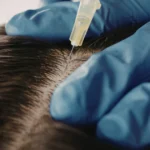
What is PRP Therapy? PRP (Platelet-Rich Plasma) therapy involves drawing blood from the patient, processing it to concentrate the platelets, and injecting it back into the scalp. The platelets help stimulate hair follicles and promote hair growth.
Benefits of PRP Therapy:
- No surgery required
- Stimulates hair growth naturally
- Can be combined with other hair treatments like FUE or FUT
Best Hair Transplant for Different Needs

Best Hair Transplant for Men
Men often experience receding hairlines or thinning crowns, and hair transplant options like FUE or FUT can restore fullness. FUE is particularly popular among younger men because it leaves minimal scars, allowing them to wear shorter hairstyles.
Best Hair Transplant for Women
Women generally experience diffuse thinning across the scalp. For women, FUE is usually the preferred method as it causes less scarring and provides more natural results.
Hair Transplant Success Rates: What to Expect
Success Rates for Different Hair Transplant Methods
Both FUE and FUT are highly successful methods, with success rates often exceeding 90%. However, factors like patient health, post-surgery care, and the experience of the surgeon play a role in the final outcome.
How Long Does It Take for a Hair Transplant to Show Results?
After a transplant, it typically takes about 3-4 months for initial hair growth and up to a year for full results. During the first few months, the transplanted hair may shed before regrowing.
Recovery Time and Aftercare: What You Need to Know
Post-Hair Transplant Recovery Timeline
- First 2-3 Days: Mild swelling and tenderness around the transplant area.
- Week 1-2: Sutures removed if FUT was performed; most patients can return to work.
- Week 3-6: New hair growth begins to appear; old hair may fall out.
- Month 3 and Beyond: Gradual hair thickening; full results visible at around 12 months.
Minimizing Risks and Complications
While hair transplants are generally safe, complications like infections, scarring, or graft failure can occur. Proper aftercare, including avoiding direct sunlight and refraining from strenuous activity, can help minimize these risks.
Frequently Asked Questions
How much does a hair transplant cost?
The cost of a hair transplant varies based on the method (FUE vs FUT), the number of grafts, and the clinic’s location. On average, prices range from $4,000 to $15,000.
Can a hair transplant fix a receding hairline?
Yes, a hair transplant can restore a receding hairline by transplanting hair follicles to the affected area, creating a natural hairline.
How long will the results of my hair transplant last?
With proper aftercare, the results of a hair transplant are permanent. However, hair loss may continue in untreated areas.
Conclusion:
Choosing the right hair transplant method is a personal decision that depends on your unique hair loss pattern, budget, and preferences. Whether you choose FUE for its minimal scarring or FUT for its higher yield, both methods offer promising results. Nonsurgical treatments like PRP or SMP are also excellent alternatives for those not ready for surgery. Speak to a qualified hair transplant specialist to determine the best method for your specific needs.
Ready To Take Your Next Step
Book a Free Consultation with Our Hair Transplant Experts Today to Find the Best Method for You!