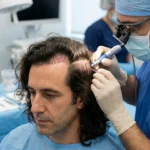
How to regrow hair on hairline is one of the most searched questions by people who notice early signs of hair loss, such as thinning temples, a widening forehead, or an uneven frontal hairline. At this stage, most users are not looking for surgery, they want to know whether their hairline can be restored naturally and how to stop further recession before it becomes permanent. How to regrow hair on the hairline naturally is possible, but only when hair loss is detected early, and hair follicles are still active. With the right combination of scalp care, proper nutrition, stress management, and clinically proven treatments, hairline recession can often be slowed and, in some cases, partially reversed. However, when hairline loss is advanced or genetically driven, natural methods alone cannot restore lost hair.
Understanding how to regrow hair on the hairline naturally requires clarity about what causes hairline recession, whether hair follicles are still alive, and which treatments actually work versus those that only make promises. In such situations, a hair transplant becomes the only reliable and permanent solution. This guide clearly explains how natural hairline regrowth works, what results you can realistically expect, how to stop a receding hairline, and when expert hair transplant intervention is necessary. This article provides expert-backed, easy-to-understand guidance to help you determine if natural hairline regrowth is possible in your case, how to slow or stop a receding hairline effectively, and when a hair transplant becomes the most practical and permanent solution.
Understanding Hairline Hair Loss
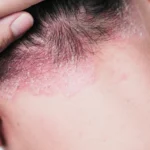
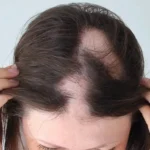
Hairline hair loss usually begins subtly. You may notice your temples thinning, your forehead looking wider, or your hairline losing its original shape. This happens because the hair follicles at the front of the scalp are more sensitive to hormonal changes, especially DHT, which weakens follicles over time.
In addition to genetics, several lifestyle and health-related factors contribute to hairline thinning. Chronic stress reduces blood flow to the scalp, nutritional deficiencies weaken hair structure, and poor scalp care creates an unhealthy environment for growth. Identifying these causes early plays a critical role in choosing the right frontal hair loss treatment.
Can Hairline Grow Back Naturally?
A very common question is: Can the hairline grow back naturally? The answer is yes, but only under specific conditions. Natural hairline regrowth is possible when hair follicles are dormant or weakened rather than permanently damaged. In early-stage hair loss, follicles can often be reactivated with consistent care and proper treatment.
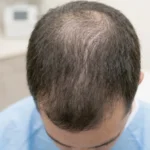
However, if the hairline has been receding for many years and the scalp area is completely bald, natural remedies cannot create new follicles. In such cases, expectations must be realistic, and professional treatment options should be considered.
How to Regrow Hair on the Hairline Naturally
Natural hairline regrowth focuses on improving scalp health and supporting follicle strength. Scalp massage plays an important role by increasing blood circulation, which helps deliver oxygen and nutrients to hair roots. When done consistently, massage can support natural hairline regrowth and slow further thinning.
Using natural oils such as castor oil, rosemary oil, or coconut oil can improve scalp hydration and reduce inflammation. These oils do not magically regrow hair overnight, but they help create an environment where hair follicles can function more effectively.
Nutrition is another major factor. Hair growth depends on adequate intake of vitamins and minerals such as biotin, zinc, iron, and vitamin D. Without these, even the best external treatments will fail. A balanced diet supports long-term hairline hair growth remedies and overall scalp health.
Stress management and quality sleep are often overlooked but critical. High stress levels push hair follicles into a resting phase, accelerating hair loss. Managing stress naturally supports how to stop receding hairline naturally and improves treatment outcomes.
How to Stop a Receding Hairline Effectively
To truly stop hairline from receding, early intervention is key. Consistent scalp care, avoiding aggressive hairstyles, reducing chemical exposure, and maintaining a healthy routine can significantly slow hairline recession. People who act early often see better results than those who wait until hair loss becomes advanced.
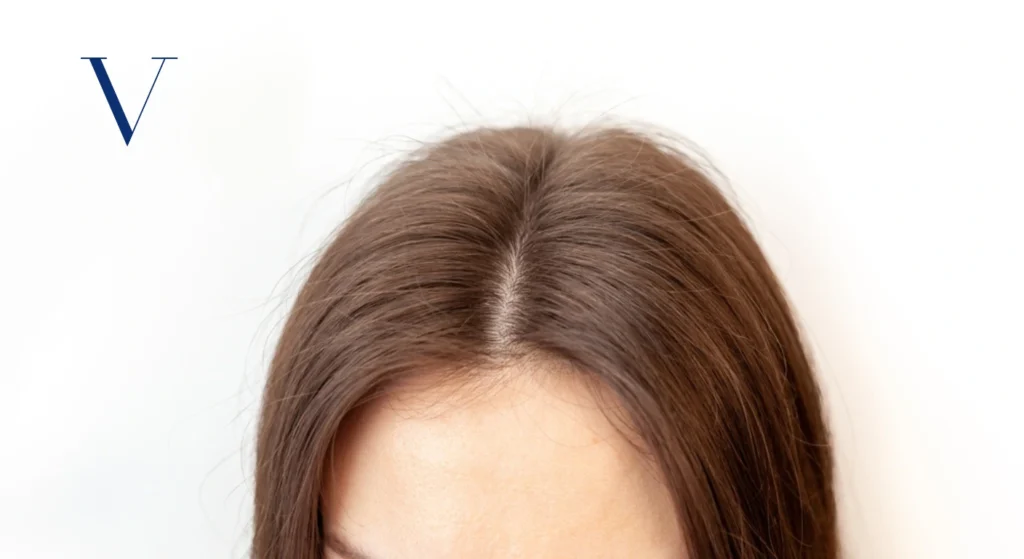
Medical treatments such as minoxidil for hairline regrowth may also be recommended. Minoxidil helps prolong the growth phase of hair and can strengthen weak follicles when used consistently. However, results depend on continuous use and early application.
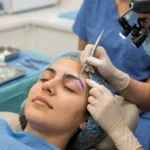
Additionally, FUE hair transplant works well for receding hairlines.
How Long Does Natural Hairline Regrowth Take?
Natural regrowth is a gradual process. In the first few months, shedding may reduce, followed by the appearance of fine baby hairs. Visible improvement usually takes between six to twelve months. It is important to understand that natural methods aim to improve density and slow recession, not completely reconstruct a lost hairline.
When Natural Remedies Are Not Enough
In cases of advanced genetic hair loss, natural treatments reach their limit. When follicles are permanently damaged, oils, vitamins, and medications cannot restore hair growth. This is where hair transplant for receding hairline becomes the most effective and reliable solution.
Natural Hairline Regrowth vs Hair Transplant
Natural regrowth methods are ideal for early-stage hair loss and maintenance. They are non-surgical, affordable, and safe but offer limited restoration. On the other hand, a hair transplant provides a permanent hairline solution by relocating healthy follicles from donor areas to the receding hairline.
Choosing between the two depends on hair loss severity, expectations, and professional evaluation.
Expert Advice Before Considering Hair Transplant
Before opting for surgery, it is important to try non-surgical methods if hair loss is still in its early stages. A professional scalp analysis helps determine whether follicles are alive or permanently damaged. Early consultation often saves time, money, and unnecessary treatments.
Vagus Hair Transplant: Expert Solution for Permanent Hairline Restoration
For individuals whose hairline recession has progressed beyond natural recovery, Vagus Hair Transplant offers advanced and personalized hairline restoration treatments. Using modern techniques such as FUE and DHI, Vagus Hair Transplant focuses on creating natural-looking hairlines that match facial structure and hair texture.
What sets Vagus Hair Transplant apart is its emphasis on proper diagnosis, ethical guidance, and long-term results. Patients are advised to explore natural and medical options first, and surgery is recommended only when it is truly necessary. This expert-led approach ensures that each patient receives the most suitable permanent hairline solution with natural density and long-lasting outcomes.
Final Thoughts
Learning how to regrow hair on the hairline naturally is essential for anyone facing early hair loss. Natural methods can slow recession and improve density when started early, but they cannot restore a completely lost hairline. When hair follicles are permanently damaged, a hair transplant remains the most reliable and permanent solution. The key is timely action, realistic expectations, and expert guidance.
Frequently Asked Questions
1. Can a receding hairline grow back naturally?
Yes, in the early stages when follicles are still active.
2. How to stop a receding hairline naturally?
By improving scalp care, nutrition, stress management, and early treatment.
3. Is minoxidil permanent for hairline regrowth?
Results last only as long as the treatment is continued.
4. Is a hair transplant a permanent solution?
Yes, transplanted hair follicles are generally permanent.