Reason for hair fall in females can be due to a variety of factors, ranging from hormonal imbalances to genetic predisposition. Common reasons include female pattern baldness, hormonal changes (such as during pregnancy, menopause, or PCOS), stress, poor nutrition, and medical conditions like thyroid disorders. Understanding these causes helps in identifying the appropriate treatment and solutions to manage hair loss effectively. Addressing lifestyle factors, improving diet, and seeking professional treatments can significantly help in reversing or preventing further hair fall in females.
Introduction
Hair fall in females is a common yet distressing issue that affects many women at various stages of life. While hair loss is often seen as a male problem, it can have just as significant an impact on women. The causes of hair fall in females are diverse and can range from hormonal imbalances to stress and poor nutrition. Understanding the underlying reasons for hair fall in females is crucial for finding effective solutions and regaining healthy, thick hair.
In this article, we’ll delve into What is the Reason for Hair Fall in Females?, along with potential treatments and preventative measures. Whether you’re dealing with female pattern baldness or other forms of hair thinning, this guide will help you understand the reasons behind your hair loss and how to address them.
Related; Treatment for Female Hair Loss
Common Causes of Hair Fall in Females
Hormonal Changes: Pregnancy, Menopause, and PCOS
Hormonal fluctuations are one of the primary causes of hair fall in females. Events like pregnancy, menopause, and conditions like polycystic ovary syndrome (PCOS) can lead to significant hair thinning. During pregnancy, the body experiences increased levels of estrogen, which temporarily halts hair shedding. However, after childbirth, a sudden drop in estrogen can lead to a condition called telogen effluvium, where more hair than usual enters the shedding phase.
Similarly, during menopause, the reduction in estrogen levels can affect hair growth, leading to thinning and hair loss. Women with PCOS also experience hormonal imbalances that can lead to excessive hair shedding, often due to high levels of androgens (male hormones).
Genetic Factors and Female Pattern Baldness
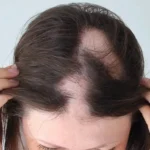
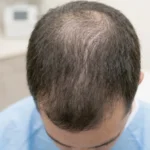
Genetics play a crucial role in the hair growth cycle, and female pattern baldness is one of the most common causes of hair loss in women. Unlike male pattern baldness, which typically causes hair loss at the crown or front of the scalp, female pattern baldness usually results in diffuse thinning across the entire scalp. This condition is influenced by family history, with women whose relatives have had hair loss being more likely to experience similar issues.
Stress and Emotional Well-being
High stress levels can significantly impact hair health, leading to conditions like telogen effluvium, where hair follicles prematurely enter the shedding phase. Stress-induced hair loss is often temporary, but chronic stress can exacerbate the issue and prolong recovery. Emotional well-being plays a key role in maintaining healthy hair, and managing stress is essential for preventing long-term damage.
Diet and Nutrition Deficiencies
What you eat affects the health of your hair. Poor nutrition can lead to deficiencies in essential vitamins and minerals, such as iron, zinc, biotin, and vitamins A, C, and D, all of which are vital for hair growth. A lack of these nutrients can cause hair to become weak and brittle, leading to increased shedding and thinning. Maintaining a balanced diet rich in these nutrients can help support hair health.
Medical Conditions That Contribute to Hair Loss
Certain medical conditions can contribute to hair loss in females. These include thyroid disorders (such as hypothyroidism and hyperthyroidism), autoimmune diseases like alopecia areata, and chronic conditions like anemia. In these cases, treating the underlying condition can often help reduce hair fall and restore hair growth.
Recognizing the Early Signs of Hair Fall
How to Spot Thinning Hair Early
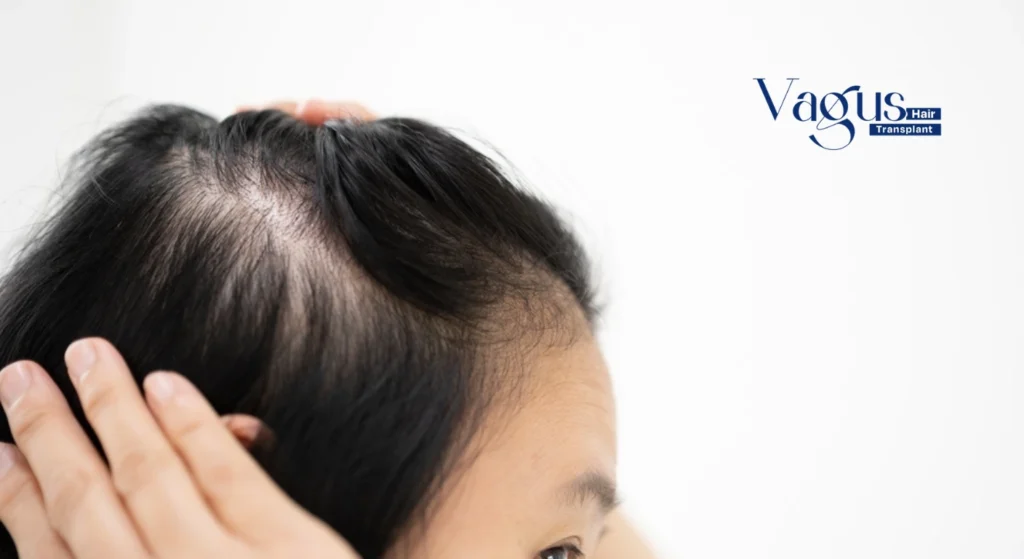
One of the first signs of hair loss in females is noticeable thinning around the scalp, often accompanied by a widening part or a decrease in the fullness of the hair. If you start noticing more hair on your pillow or in the shower drain, it could be an early indication that you’re experiencing hair loss. Regularly checking the density of your hair and being aware of any changes can help you take action before the problem becomes severe.
When to Seek Professional Help
If hair thinning or shedding persists for several months or worsens, it may be time to consult with a dermatologist or trichologist. Professional help can provide a more accurate diagnosis and guide you through treatment options.
Effective Solutions for Hair Fall in Females
Lifestyle Changes to Prevent Hair Loss
In many cases, making certain lifestyle changes can significantly reduce hair fall. Managing stress through relaxation techniques like yoga or meditation, improving your diet, and avoiding harsh hair treatments can all contribute to better hair health. Additionally, adopting a gentle hair care routine and avoiding excessive heat styling can help prevent further damage.
Nutrition and Supplements to Support Hair Health
Supplements like biotin, vitamin D, iron, and omega-3 fatty acids can help fill any nutritional gaps that may be contributing to hair fall. A diet rich in fruits, vegetables, lean proteins, and healthy fats supports overall health and hair growth.
Hair Treatments: PRP, Medications, and Topical Solutions
Platelet-rich plasma (PRP) therapy, topical minoxidil, and other medications can help promote hair growth and prevent further loss. PRP therapy involves injecting your own platelets into the scalp to stimulate hair follicles. While medications like minoxidil can help regenerate hair, it is important to note that results may vary.
Hair Transplants: Is It the Right Option for You?
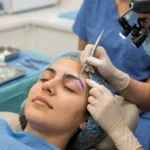
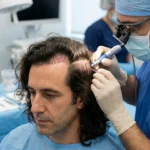
For those experiencing significant hair loss, hair transplants may be an effective solution. Female pattern baldness and other types of hair loss can sometimes be treated with hair restoration procedures like follicular unit extraction (FUE) or direct hair implantation (DHI). However, it’s essential to consult with a specialist to determine if this treatment is suitable for your condition.
Preventing Hair Fall: Tips for Healthy Hair
The Importance of Scalp Care
Healthy hair starts with a healthy scalp. Regularly massaging your scalp with natural essential oils or a nourishing serum can improve circulation and promote hair growth. Scalp care also includes cleaning your scalp gently to remove excess oils and buildup that can clog hair follicles.
Best Hair Care Practices and Products for Women
Choosing the right hair care products is essential to maintaining hair health. Opt for sulfate-free shampoos, hydrating conditioners, and products that are free from harsh chemicals. Protecting your hair from sun damage and pollution with UV-protectant sprays is also beneficial.
Managing Stress to Prevent Hair Loss
Since stress is a major contributor to hair loss, it is essential to find ways to manage it. Whether through regular exercise, mindfulness, or taking time for self-care, reducing stress can prevent it from worsening hair loss.
How to Manage the Emotional Impact of Hair Fall in Women
Understanding the Psychological Effects of Hair Loss
Hair loss can have a significant impact on a woman’s emotional well-being. It may affect self-esteem, confidence, and body image. Recognizing and addressing these emotional impacts is essential for coping with hair fall.
Building Confidence and Self-Esteem
While hair loss can be challenging, it’s important to remember that it does not define your worth. Seeking support, whether through therapy, support groups, or speaking with loved ones, can help you regain confidence and self-esteem during this difficult time.
Final Thoughts
Understanding the reasons for hair fall in females is crucial for managing and preventing further loss. By recognizing the causes, such as hormonal changes, genetics, stress, and nutrition deficiencies, women can take proactive steps to address their hair health. Whether through lifestyle changes, professional treatments, or a combination of both, it’s possible to regain healthy, beautiful hair.
If you’re experiencing hair fall and want to take control of your hair health, don’t wait for the problem to worsen. Start by identifying the root cause of your hair loss and take the necessary steps towards regaining fuller, healthier hair.
Frequently Asked Questions
1. Can Hormonal Imbalance Cause Hair Loss in Women?
Yes, hormonal imbalances due to pregnancy, menopause, or conditions like PCOS can significantly impact hair growth, leading to hair thinning or shedding.
2. Does Hair Fall Increase with Age in Women?
As women age, especially during menopause, hormonal changes can cause hair thinning. However, not all women experience significant hair loss as they age.
3. What Are the Best Home Remedies for Hair Fall?
Home remedies like massaging the scalp with oils (e.g., coconut oil, castor oil), using aloe vera, and consuming a balanced diet can help reduce hair fall and promote healthy hair growth.