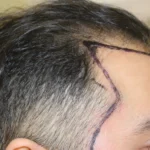
Hair regrowth after scarring alopecia is often limited because the condition permanently damages hair follicles, replacing them with scar tissue. Once follicles are destroyed, natural hair growth in those areas usually cannot return. However, early diagnosis and treatment can prevent inflammation, slow progression, and protect remaining follicles. In some early-stage cases, partial regrowth may occur where follicles are not completely damaged. Modern dermatological treatments in 2026 focus on controlling scalp inflammation and preserving existing hair, which greatly improves long-term hair retention.
Introduction
Scarring alopecia is one of the most serious types of hair loss because it permanently damages the hair follicles. Unlike common hair loss conditions, where follicles remain alive, scarring alopecia destroys the follicle and replaces it with scar tissue, which significantly reduces the chances of hair regrowth.
Many people searching online ask: Can hair grow back after scarring alopecia? The reality is that hair regrowth is usually difficult once the follicle has been destroyed. However, when scarring alopecia is diagnosed early, treatments can reduce scalp inflammation, prevent further follicle damage, and preserve the hair that remains.
Understanding what scarring alopecia is and how it starts, recognizing the early signs of scarring alopecia on the scalp, and receiving the right dermatologist-recommended treatment can significantly improve hair preservation outcomes.
What Is Scarring Alopecia and How Does It Start?
Scarring alopecia, medically known as cicatricial alopecia, refers to a group of rare hair loss disorders that destroy hair follicles and replace them with scar tissue. Because the follicle structure is permanently damaged, natural hair growth in the affected area usually becomes impossible.
The condition typically begins with chronic scalp inflammation, which gradually damages the follicle stem cells responsible for hair growth. Over time, the follicle shrinks and disappears, leaving behind scar tissue that prevents new hair from forming.
What Triggers Scarring Alopecia Hair Loss?
Several factors can trigger inflammation that leads to scarring alopecia hair loss. In many cases, autoimmune reactions cause the body to attack its own hair follicles, resulting in progressive damage.
Chronic scalp infections, inflammatory skin diseases, genetic predisposition, and certain dermatological conditions such as lichen planopilaris or discoid lupus may also contribute to the development of the disease. These factors explain many of the causes of scarring alopecia in men and women, although the exact cause is sometimes still unknown.
Can Hair Grow Back After Scarring Alopecia?
One of the most frequently asked questions by patients is: Can hair grow back after scarring alopecia?
Hair regrowth largely depends on how early the condition is diagnosed and treated. In the early stages, when hair follicles are inflamed but not destroyed, treatment may allow some follicles to recover and resume hair growth.
However, in advanced stages where scar tissue has replaced the follicles, natural hair regrowth becomes extremely unlikely. This is why dermatologists emphasize early diagnosis and treatment, as it greatly improves the chances of hair regrowth in scarring alopecia.
Is Scarring Alopecia Permanent?
In most cases, scarring alopecia is considered permanent because once the follicle is replaced by scar tissue, it cannot regenerate naturally. The damage removes the stem cells required for new hair growth.
However, treatments can still play an important role by stopping the disease from progressing further. Early medical intervention helps control inflammation, protect remaining follicles, and prevent additional hair loss.
Early Signs of Scarring Alopecia on the Scalp
Recognizing the early signs of scarring alopecia on the scalp is extremely important because early treatment offers the best chance to preserve hair. Many patients ignore symptoms until hair loss becomes visible, often delaying effective treatment.
Early symptoms usually include persistent scalp inflammation, itching, burning sensations, and redness around hair follicles. Some individuals may also notice scaling, small bald patches, or tenderness in affected areas. These signs are often indicators of scarring alopecia scalp inflammation, which should be evaluated by a dermatologist immediately.
Difference Between Scarring Alopecia and Non-Scarring Alopecia
Understanding the difference between scarring alopecia and non-scarring alopecia helps clarify why treatment urgency matters.
| Feature | Scarring Alopecia | Non-Scarring Alopecia |
| Hair follicle damage | Permanent | Temporary |
| Hair regrowth | Usually impossible | Often possible |
| Cause | Inflammation & scar tissue | Hormones, stress, genetics |
| Treatment focus | Stop inflammation | Stimulate regrowth |
A common confusion is between scarring alopecia and alopecia areata, a non-scarring condition in which hair often regrows.
How Do Dermatologists Diagnose Scarring Alopecia?
Early diagnosis improves the chances of hair regrowth in scarring alopecia.
Dermatologists usually diagnose it through:
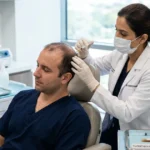
Scalp examination
Doctors check for inflammation, redness, and follicle damage.
Dermoscopy
A special magnifying device helps detect follicular changes.
Scalp biopsy
This is the most accurate way to confirm scarring alopecia.
A biopsy allows doctors to determine what type of scarring alopecia is present and choose the correct treatment.
Can Dandruff Cause Scarring Alopecia?
Severe dandruff usually does not directly cause scarring alopecia, but ignoring chronic scalp inflammation can sometimes worsen underlying scalp conditions. Dandruff is often associated with seborrheic dermatitis, which causes scalp flaking, itching, and irritation. While this condition may lead to temporary hair shedding, it rarely destroys hair follicles the way scarring alopecia does. However, constant scratching and untreated scalp inflammation may damage the scalp environment and aggravate other inflammatory disorders. If dandruff is accompanied by redness, pain, or patchy hair loss, it is important to consult a dermatologist. Early treatment helps control inflammation and reduces the risk of complications that could affect long-term hair health.
Related, What You Need to Know About Dandruff and Hair Loss
Best Treatment for Scarring Alopecia Hair Loss (2026)
Although scarring alopecia cannot always be cured permanently, modern treatments focus on controlling inflammation and preventing further follicle damage.
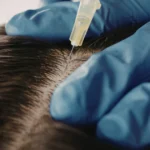
Dermatologists often prescribe anti-inflammatory medications, corticosteroid injections, oral antibiotics, or immunosuppressive drugs depending on the severity of the condition. These treatments help reduce scalp inflammation and slow the progression of hair loss.
Recent advancements in 2026 in scarring alopecia treatment include therapies such as PRP (Platelet-Rich Plasma) and low-level laser therapy, as well as experimental regenerative treatments that aim to improve scalp healing and follicle preservation.
Can Scarring Alopecia Be Cured Permanently?
Currently, there is no guaranteed permanent cure for scarring alopecia. The main goal of treatment is to stop inflammation and prevent further follicle destruction.
Early medical intervention is crucial for effectively managing the condition. With proper treatment, many patients can stabilize hair loss and maintain their remaining hair.
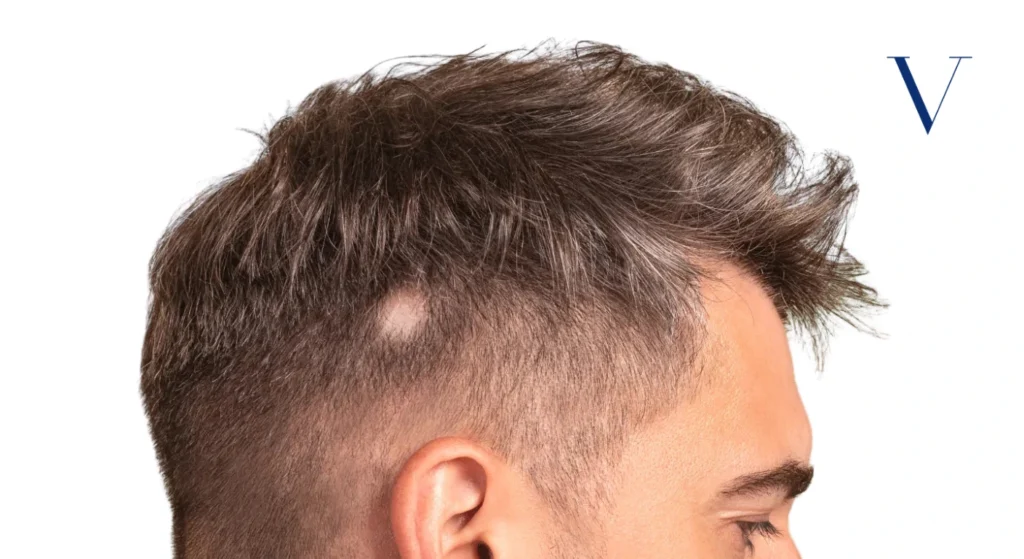
How to Stop Scarring Alopecia Naturally
While natural remedies cannot cure scarring alopecia, certain lifestyle changes may help reduce inflammation and support scalp health.
Maintaining a balanced diet rich in vitamins and antioxidants, managing stress levels, and avoiding harsh hair treatments can help protect the scalp. Proper scalp hygiene and gentle hair care routines may also reduce irritation and prevent flare-ups.
How Rare Is Scarring Alopecia in 2026?
Many people wonder how rare scarring alopecia is compared to other hair loss conditions. Research shows that it accounts for a small percentage of total hair loss cases worldwide.
Although rare, the condition requires immediate medical attention because it can lead to permanent hair loss if left untreated.
How to Improve Hair Regrowth Chances
Patients who suspect they have scarring alopecia should seek medical advice as early as possible. Early treatment helps reduce inflammation and protect hair follicles from permanent damage.
Following a dermatologist’s treatment plan, monitoring scalp health, and avoiding damaging hairstyles or chemical treatments can significantly improve the chances of preserving existing hair.
Vagus Hair Transplant for Scarring Alopecia
For patients whose scarring alopecia has stabilized, hair restoration procedures may provide cosmetic improvement. At Vagus Hair Transplant, specialists carefully evaluate scalp condition to determine whether hair transplantation is possible in scarred areas.
Hair transplant procedures in scarring alopecia cases are usually considered only when inflammation has completely stopped and the condition is medically controlled. Advanced transplant techniques can restore hair density in scarred regions by implanting healthy follicles from donor areas.
A professional evaluation at Vagus Hair Transplant can help determine whether a patient is a suitable candidate for hair restoration after scarring alopecia and what realistic results can be expected.
Frequently Asked Questions
Can hair grow back after scarring alopecia?
Hair may regrow in early stages if follicles are not destroyed, but regrowth becomes unlikely once scar tissue forms.
Is scarring alopecia reversible or permanent?
Scarring alopecia is usually permanent because the hair follicle is replaced by scar tissue.
What are the early signs of scarring alopecia?
Common early signs include scalp inflammation, itching, redness, burning sensations, and patchy hair loss.
What is the best treatment for scarring alopecia?
Dermatologist-recommended treatments include anti-inflammatory medications, corticosteroid therapy, and advanced therapies such as PRP.
Can scarring alopecia be cured?
There is currently no guaranteed cure, but early treatment can stop the disease from progressing.