A scalp hair transplant involves transferring hair follicles from the back or sides of the scalp to areas with thinning or no hair, offering a natural, permanent solution with minimal scarring. In contrast, a regular hair transplant uses body hair from areas such as the chest or beard when scalp hair is insufficient. While scalp transplants tend to have faster recovery and more natural results, regular hair transplants provide an alternative when the scalp’s donor hair is limited. The decision between a scalp hair transplant vs regular hair transplant depends on the amount of available scalp hair and individual preferences regarding hair texture and recovery time.
What is Scalp Hair Transplant?
A scalp hair transplant is a specific type of hair restoration surgery that focuses on transplanting hair directly into the scalp. It typically involves removing hair follicles from the donor area on the back of the head and placing them in the balding or thinning areas on the scalp.
Key Benefits of Scalp Hair Transplant
- Natural Look: It provides a very natural appearance, as the transplanted scalp hairs grow just like natural hair.
- Durability: The results are long-lasting, with hair continuing to grow in the transplanted area.
- Minimal Scarring: The procedure generally results in minimal scarring, especially with modern techniques.
Who is a Good Candidate for Scalp Hair Transplants?
Ideal candidates for a scalp hair transplant are individuals experiencing moderate to severe hair loss who have sufficient healthy hair follicles in the donor area. Age, overall health, and hair loss pattern also play a role in determining candidacy. It’s crucial that candidates have realistic expectations and understand the commitment to post-procedure care for optimal results. Additionally, those with stable hair loss are generally more likely to benefit from the procedure.
What is a Regular Hair Transplant?
A regular hair transplant typically refers to the more traditional methods of hair restoration, including follicular unit extraction (FUE) and follicular unit transplantation (FUT). These techniques focus on extracting hair follicles and placing them into areas that need hair growth.
Common Techniques Used in Regular Hair Transplants
- Follicular Unit Extraction (FUE): A method where individual hair follicles are extracted and transplanted to the recipient area.
- Follicular Unit Transplantation (FUT): This technique involves removing a strip of scalp from the donor area and dissecting it into individual follicular units for transplantation.
Benefits of Regular Hair Transplant
- High Success Rate: Both FUE and FUT are well-established with proven high success rates.
- Variety of Options: Patients can choose from different techniques, depending on their needs and preferences.
Who Should Consider a Regular Hair Transplant?
Regular hair transplants are suited for individuals who have sufficient hair follicles in their donor area and are looking for a long-term solution to hair loss. Those who want a permanent restoration of hair to large areas of thinning or baldness may benefit from these procedures. Additionally, individuals with stable hair loss patterns, meaning their hair loss has plateaued, are ideal candidates. It’s important for patients to have realistic expectations and understand the potential for slight changes in hair texture over time.
Related, Recovery After FUE Hair Transplant
Scalp Hair Transplant vs Regular Hair Transplant: Key Differences
Here’s a table summarizing the key differences between scalp hair transplant and regular hair transplant based on the aspects.
| Aspect | Scalp Hair Transplant | Regular Hair Transplant |
| Procedure Process | Focuses on placing hair follicles directly into the scalp for a more targeted approach. | Involves techniques like FUE or FUT, allowing for larger areas to be treated in one session. |
| Recovery Time | Quicker recovery, especially with FUE; FUT may require a longer recovery due to the incision in the donor area. | Recovery may take longer depending on the method used (FUE/FUT), with body hair extraction sometimes requiring more recovery time. |
| Results | Visible results take 6 to 12 months, depending on individual healing. | Results can take 6 to 18 months to fully appear, varying by method (FUE/FUT). |
| Cost Considerations | Can be more expensive due to the specialized procedure. | May be more affordable, depending on the method (FUE or FUT). |
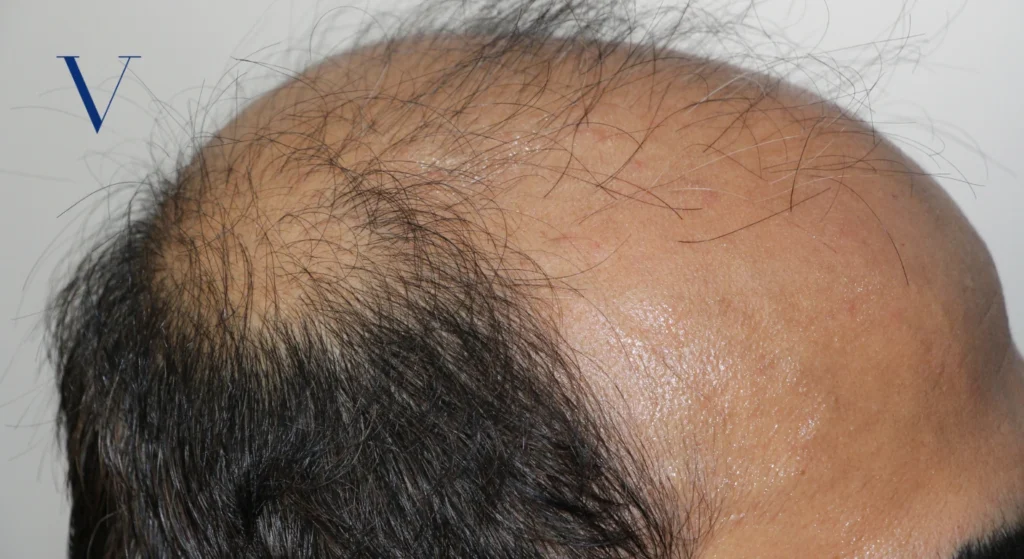
Factors That Influence Choosing Between Scalp Hair Transplant and Regular Hair Transplant
1. Hair Loss Pattern and Severity
Individuals with a more localized hair loss pattern might benefit from a scalp hair transplant, while those with widespread baldness may need a regular hair transplant method.
2. Age and Health Considerations
Age and overall health are key factors in determining which procedure is best. Older patients or those with underlying health issues may be better suited for less invasive methods like FUE.
3. Desired Results: Density, Natural Look, etc.
Scalp hair transplants are often preferred for a natural, denser look, while regular hair transplants are more suitable for larger coverage areas.
4. Surgeon Expertise and Technology
The choice between these two methods often comes down to the surgeon’s expertise and the technology available. Some surgeons may be more skilled in FUE, while others may excel with scalp transplant methods.
Potential Risks and Side Effects
Risks Associated with Scalp Hair Transplants
Scalp hair transplants can lead to complications such as infection, scarring, or failure of hair follicles to take root.
Risks Associated with Regular Hair Transplants
Regular hair transplants carry similar risks, including bleeding, swelling, and the possibility of an unnatural hairline if not performed by an experienced surgeon.
How to Minimize Risks and Ensure Success
Choosing a skilled, board-certified surgeon is crucial for minimizing risks and ensuring the success of either procedure.
The Healing Process: Scalp vs Regular Hair Transplant
Post-Surgery Care for Scalp Hair Transplant
After a scalp hair transplant, patients should follow post-surgery instructions, including avoiding direct sun exposure and refraining from strenuous activities for several weeks. Regular follow-ups with the surgeon are recommended to monitor progress and ensure proper healing.
Post-Surgery Care for Regular Hair Transplant
Post-surgery care for regular hair transplants is similar, with emphasis on gentle scalp care and avoiding trauma to the transplanted follicles. Medications or topical treatments may be prescribed to prevent infection and promote healing during the recovery process.
What to Expect During the Healing Period
Expect mild swelling and redness around the transplant site. Healing time varies depending on the method used, with FUE offering a quicker recovery compared to FUT. It’s important to follow the aftercare instructions carefully to avoid complications and ensure the transplanted hair follicles take root properly.
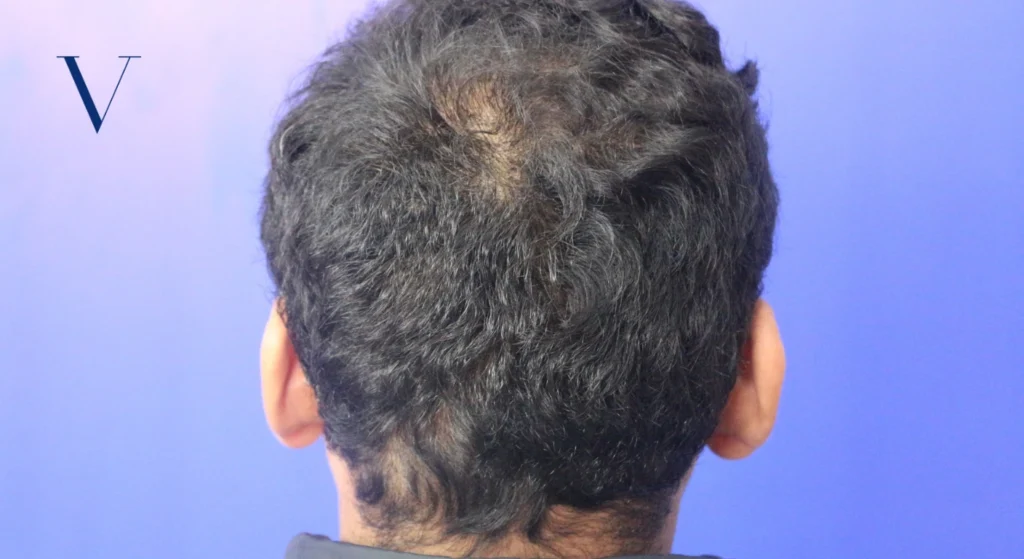
Long-Term Results: What to Expect from Each Procedure
Long-Term Hair Growth with Scalp Hair Transplants
The transplanted hair continues to grow naturally, providing permanent and realistic results. As the hair integrates with the surrounding follicles, it blends seamlessly, offering a fuller, more natural look over time.
Long-Term Hair Growth with Regular Hair Transplants
Similarly, both FUE and FUT offer long-lasting results, though the density and texture may differ depending on the method and individual factors. While the results are generally permanent, some people may require touch-ups or additional treatments in the future, as hair loss can continue in untreated areas.
How Maintenance and Follow-Ups Differ
Regular follow-up visits with your surgeon are necessary to monitor the progress of your transplanted hair, regardless of the method used. These visits allow your surgeon to track healing, ensure proper growth, and address any concerns or complications early on.
Which is Right for You? Scalp Hair Transplant vs Regular Hair Transplant
- Assessing Your Needs and Goals: To decide between a scalp or regular hair transplant, evaluate your hair loss pattern, goals, and desired outcomes.
- Consulting a Specialist for the Best Option: Consulting with a hair transplant specialist is key in choosing the right option for your unique situation.
- Making the Final Decision: Your surgeon will help you make the final decision after considering your personal goals and medical history.
Final Thoughts
Both scalp hair transplants and regular hair transplants offer excellent solutions for hair restoration. The choice depends on your unique needs, goals, and medical suitability. If you have sufficient donor hair on your scalp, a scalp transplant might be ideal for you. However, if you’re dealing with a lack of suitable scalp hair, a regular hair transplant using body hair could be the best option. It’s important to consult with a skilled surgeon who can evaluate your condition and recommend the most effective treatment for your specific situation.
Frequently Asked Questions
1. How long does it take to see results from a scalp hair transplant?
Results typically take 6 to 12 months to become visible after a scalp hair transplant.
2. Is a regular hair transplant better than a scalp hair transplant?
It depends on your specific needs. A regular hair transplant may be better for extensive hair loss, while a scalp hair transplant offers a more natural look for localized areas.
3. Are there risks involved with hair transplants?
Yes, risks include infection, scarring, and hair follicle rejection. However, choosing a skilled surgeon reduces these risks.