Stage 3 hair loss, a significant milestone on the Norwood hair loss scale, is characterised by noticeable balding. While this stage is advanced, it is not necessarily irreversible. Effective treatments, both medical and surgical, can help manage and possibly reverse hair loss in some cases. The key is timely intervention.
Understanding Stage 3 Hair Loss
Hair loss can be a troubling experience, especially when it reaches an advanced stage. Stage 3 hair loss, as defined by the Norwood scale, marks a noticeable progression in balding stages, often leading to visible thinning or balding at the temples and crown. At this point, many individuals wonder, “Is Stage 3 hair loss reversible?” The answer varies based on the individual, but the good news is that there are multiple treatment options available to manage or reverse the effects of Stage 3 hair loss. Whether you’re considering hair transplants or medications, understanding your options is key to regaining confidence and improving your appearance.
What is Stage 3 Hair Loss?
Overview of Hair Loss Stages
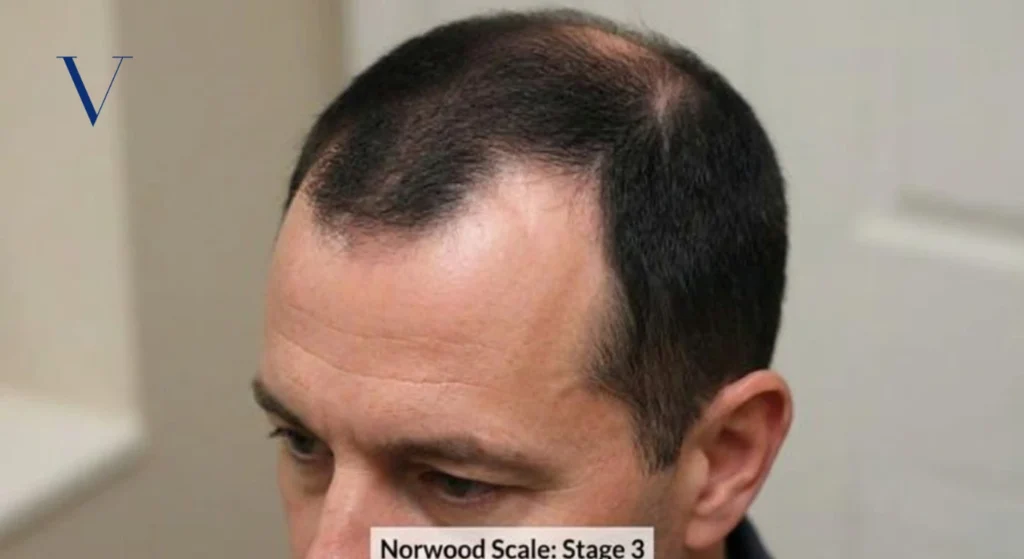
Hair loss follows a predictable pattern, often classified into stages according to the Norwood hair loss scale. The scale is divided into several phases, from minor thinning (Stage 1) to significant balding (Stage 7). Stage 3 represents the first stage of noticeable balding, where the hairline recedes, typically around the temples, and there is visible thinning at the crown.
Related, Hair Transplant in Islamabad for Receding Hairline
How Stage 3 Differs from Other Stages
Unlike earlier stages, Stage 3 hair loss is more than subtle thinning. At this point, the balding pattern becomes more evident, and the hairline continues to recede. The scalp is more exposed, and hair density is significantly reduced, often requiring intervention for restoration.
Why is Stage 3 Hair Loss a Concern?
Physical and Emotional Impact of Advanced Hair Loss
The physical changes caused by Stage 3 hair loss can be distressing. Thinning or bald patches can affect self-esteem, causing emotional discomfort. For many individuals, the appearance of thinning hair can signal a loss of youth or vitality.
Importance of Timely Intervention
Since Stage 3 hair loss is more noticeable, it’s important to intervene early. Seeking treatment as soon as possible can help prevent further hair loss and improve the chances of successful hair regrowth. The sooner you address the issue, the better the chances of recovery.
Is Stage 3 Hair Loss Reversible?
Reversibility: What You Need to Know
The question of whether Stage 3 hair loss is reversible depends on multiple factors, including the cause of the hair loss, your age, and overall health. While the hair loss process may not be fully reversed in all cases, it is possible to significantly improve hair growth through the right treatments.
Medical Perspectives on Hair Restoration
From a medical standpoint, Stage 3 hair loss can be managed using a combination of topical treatments, medications, and surgical options. Consulting with a specialist can help you understand which treatment is best suited to your unique condition.
Factors That Affect the Chances of Regrowth
Factors like age, health, and genetics can influence the likelihood of regrowth. Individuals with a family history of hair loss may face more challenges in reversing the condition. However, timely treatment can still make a significant difference.
Treatment Options for Stage 3 Hair Loss
Medications: Minoxidil, Finasteride, etc.
Minoxidil and Finasteride are two of the most common medications prescribed to treat Stage 3 hair loss. Minoxidil is a topical solution that stimulates hair growth, while Finasteride is an oral medication that prevents the hormone DHT from causing hair loss. Both treatments have shown effectiveness in improving hair density and slowing the progression of hair loss.
Related, Oral Minoxidil vs Oral Finasteride for Hair Loss
Hair Transplant Surgery
When medications don’t provide satisfactory results, a hair transplant may be the next option. This surgical procedure involves transferring hair follicles from a donor site to the balding areas of the scalp. The two main techniques used are FUE (Follicular Unit Extraction) and FUT (Follicular Unit Transplantation).
Platelet-Rich Plasma (PRP) Therapy
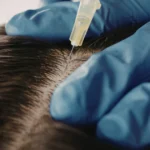
PRP therapy involves drawing a small amount of your blood, processing it to extract the platelets, and injecting the concentrated platelets into the scalp to stimulate hair growth. PRP therapy has shown promising results in helping Stage 3 hair loss patients regenerate hair.
Natural Remedies and Lifestyle Changes
Incorporating natural remedies like essential oils (rosemary, peppermint) and supplements (biotin, vitamins) can complement other treatments. A healthy diet rich in vitamins and minerals also plays a crucial role in promoting hair health.
How Effective Are Treatments for Stage 3 Hair Loss?
While treatments can significantly improve hair growth, Stage 3 hair loss may not be fully reversed. Hair transplants offer permanent results but may require several sessions, and medications might slow down hair loss and improve density, though results can vary.
In most cases, Stage 3 hair loss cannot be fully reversed without surgical intervention. However, effective treatments can help restore hair density, reduce thinning, and slow further loss.
The success rates for treatments like minoxidil and Finasteride vary, with some studies reporting a 60-70% success rate for regrowth. PRP therapy has also shown promising results, with studies indicating up to a 50% improvement in hair density for some patients.
Factors Influencing Treatment Success
| Factors Influencing Treatment Success | Explanation |
| Age | Younger individuals generally have better chances of regrowing hair as their hair follicles are still relatively active. Hair loss progresses faster with age, and older individuals may see fewer benefits from treatments. |
| Health | Chronic conditions like diabetes, thyroid disorders, and nutrient deficiencies (e.g., lack of iron or vitamin D) can exacerbate hair loss. Overall health impacts the effectiveness of treatments, and healthy habits can enhance results. |
| Genetics | A family history of hair loss significantly increases the likelihood of experiencing androgenetic alopecia. Genetics also affect how well treatments like minoxidil and finasteride work. |
| Timeline of Hair Loss | The longer you’ve had Stage 3 hair loss, the harder it may be to restore hair. Early intervention offers better chances of success, as prolonged hair loss may lead to irreversible follicle damage. |
| Importance of Early Intervention | Starting treatment early significantly increases the chances of success. Catching Stage 3 hair loss early, before it progresses to later stages (Stage 4 or beyond), can provide better results. |
Are There Any Non-Surgical Alternatives?
Topical Treatments: What Works and What Doesn’t?
Minoxidil is the most common non-surgical treatment for Stage 3 hair loss. It helps stimulate hair follicles and encourages regrowth. However, its effectiveness may vary, and side effects such as scalp irritation can occur. Finasteride is another non-surgical treatment, which is taken orally and can block the hormone responsible for hair loss.
Effectiveness of Minoxidil and Other Topical Solutions
While Minoxidil is FDA-approved and commonly used, results can take several months to become noticeable. It works best in the early stages of hair loss and is typically more effective for regrowth than for restoring completely lost hair.
Lifestyle Changes for Hair Health
A healthy lifestyle plays a key role in managing Stage 3 hair loss. Maintaining a balanced diet, regular exercise, and stress management techniques can improve the overall health of your hair. Supplements such as biotin, vitamin D, and iron are essential for promoting hair growth. Additionally, staying hydrated, avoiding smoking, and limiting alcohol consumption can support the nourishment of hair follicles. Reducing stress through practices like meditation, yoga, or deep breathing exercises can also prevent further hair thinning and support regrowth.
Related, How to Stop Hair Loss and Regrow Hair Naturally?
When is a Hair Transplant the Best Option for Stage 3 Hair Loss?
Surgical Solutions: What to Expect from a Hair Transplant
If non-surgical treatments don’t work, a hair transplant may be the best option. FUE and FUT are two common techniques used for Stage 3 hair loss. FUE involves harvesting individual follicles, while FUT removes a strip of scalp to extract follicles.
Types of Hair Transplants: FUE vs. FUT
Both methods have their pros and cons. FUE is less invasive and results in minimal scarring, but it can be more expensive. FUT, on the other hand, is more affordable but leaves a linear scar.
Recovery and Cost Considerations
After a hair transplant, recovery can take several weeks, and full results may take up to a year. The cost of a transplant varies by clinic and technique, ranging from $4,000 to $15,000.
Final Thoughts
Stage 3 hair loss can often be managed and, in some cases, reversed with the right treatments. Hair transplants and medications like minoxidil and finasteride offer significant benefits. However, results may vary, and early intervention is key.
Every individual is different, and what works for one person might not work for another. It’s important to have realistic expectations and understand that treatment results can take time.
Consulting with a dermatologist or hair restoration specialist is crucial to determining the best treatment plan. A personalised approach will yield the best results.
Frequently Asked Questions
Can Stage 3 hair loss be reversed completely?
While full reversal may not be possible, treatments like hair transplants, minoxidil, and finasteride can significantly improve hair density and reduce thinning.
What is the success rate of hair transplants for Stage 3 hair loss?
The success rate for hair transplants varies, but most individuals experience noticeable improvement in hair density after the procedure.
Are natural remedies effective for Stage 3 hair loss?
Natural remedies, such as rosemary oil and biotin supplements, can support hair health, but they are less effective than medical treatments like minoxidil.
How long does it take for treatments to show results?
Medications like minoxidil can take 3-6 months to show results, while hair transplants may take up to a year for full regrowth.