If you’re dealing with flakes, itching, and irritation on your scalp, you may be wondering whether it’s scalp psoriasis or just dandruff. While both conditions can cause similar symptoms, they are fundamentally different and require different treatments. 7 Symptoms like flake appearance, scalp redness and inflammation, severity of itching, and the presence of plaques, duration and persistence of symptoms, hair loss associated with scalp psoriasis, and response to treatment help you determine whether you’re dealing with scalp psoriasis or dandruff. Understanding these differences will allow you to take the right steps toward treatment, whether it’s managing dandruff with over-the-counter products or seeking medical treatment for scalp psoriasis.
Introduction
When it comes to a flaky, itchy scalp, many people find themselves asking: Is it scalp psoriasis or just dandruff? Scalp psoriasis and dandruff may share some symptoms, but they are two distinct conditions that require different approaches for treatment. If you’re searching for the keyword “7 Signs That Reveal Whether It’s Scalp Psoriasis or Dandruff”, you’re likely looking for a clear distinction between these two conditions and how to identify which one you may have. In this article, we will explore the 7 signs that will help you determine whether your scalp issues are due to scalp psoriasis or simply dandruff.
1. Flake Appearance: Thick, Oily, or Dry?
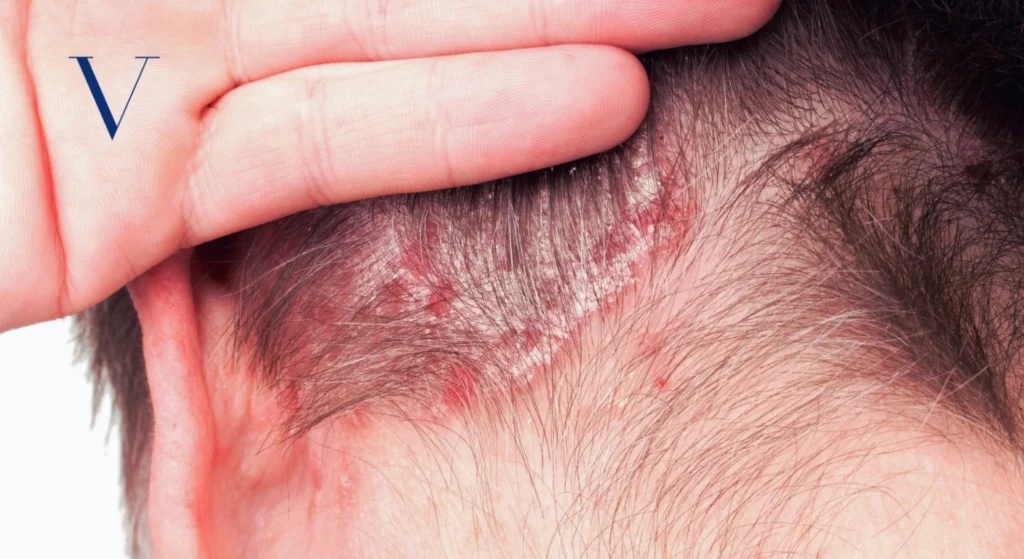
One of the primary indicators for distinguishing scalp psoriasis from dandruff is the appearance of the flakes. Scalp psoriasis is characterised by thick, silvery or white scales that often cover inflamed patches of skin. These scales are usually much thicker than the dandruff flakes they resemble. Dandruff, on the other hand, tends to be composed of smaller, drier, and flakier particles that are typically white or yellow.
If your flakes are thick and accompanied by red, inflamed patches, it’s more likely you are dealing with scalp psoriasis rather than dandruff.
2. Scalp Redness and Inflammation
Unlike dandruff, scalp psoriasis often causes noticeable redness and inflammation. In scalp psoriasis, the skin beneath the flakes can become irritated and inflamed, leading to red, raised patches. These areas are typically painful or tender to the touch. Dandruff, on the other hand, is a much milder condition that generally doesn’t cause significant redness or inflammation.
If you notice areas of your scalp becoming inflamed and irritated, it’s a sign that you may have scalp psoriasis.
3. Severity of Itching
Itching is common in both scalp psoriasis and dandruff, but the intensity differs significantly. Scalp psoriasis often results in severe, persistent itching that can be uncomfortable and even painful. In contrast, dandruff usually causes mild to moderate itching that is less intense and more manageable.
If the itching is unbearable or causing you significant discomfort, it’s more likely that you have scalp psoriasis, which requires specialised treatment.
4. The Presence of Plaques
Plaques are thick, raised patches of skin commonly found in scalp psoriasis. Silvery scales typically cover these plaques and can sometimes bleed when scratched. Dandruff, however, does not result in plaques and is usually limited to flaking skin without significant buildup.
If you notice raised, scaly patches of skin that bleed when scratched, it’s a strong indication that you are dealing with scalp psoriasis.
5. Duration and Persistence of Symptoms
While dandruff can often be managed with over-the-counter shampoos and treatments, scalp psoriasis is a chronic condition that persists. If your symptoms have lasted for weeks or months without relief, it’s more likely that you have scalp psoriasis. Dandruff, on the other hand, can usually be managed with regular use of dandruff shampoo and tends to improve or subside over time.
If your scalp psoriasis is not improving or persists, seeking medical advice may be necessary.
6. Hair Loss Associated with Scalp Psoriasis
In more severe cases of scalp psoriasis, the constant inflammation and scratching can damage hair follicles, leading to hair loss. While dandruff typically does not cause hair loss, severe scalp psoriasis can lead to hair thinning or shedding. If you’re experiencing hair loss alongside the flakes and itching, it’s important to consider the possibility of scalp psoriasis.
Related, How to Stop Hair Loss and Regrow Hair Naturally
7. Response to Treatment
How your condition responds to treatment can also reveal whether you’re dealing with scalp psoriasis or dandruff. Scalp psoriasis may require stronger prescription treatments, such as corticosteroids, phototherapy, or biologics, to manage symptoms. Dandruff can typically be treated with over-the-counter dandruff shampoos containing active ingredients like zinc pyrithione, selenium sulfide, or ketoconazole.
If your symptoms persist despite standard dandruff treatments, it’s a clear sign that scalp psoriasis may be the underlying cause.
Additionally, Does Dandruff Cause Hair Loss?
Difference Between Seborrheic Dermatitis, Scalp Psoriasis, and Dandruff
Understanding the differences between seborrheic dermatitis, scalp psoriasis, and dandruff can be challenging, as all three conditions affect the scalp and share similar symptoms such as flaking and itching. However, these conditions are distinct and have unique causes, symptoms, and treatment options. Let’s break down the differences between them:
| Aspect | Seborrheic Dermatitis | Scalp Psoriasis | Dandruff |
| Cause | Overgrowth of Malassezia yeast. | Autoimmune disorder causing rapid skin cell turnover. | Overgrowth of Malassezia or dry skin. |
| Flakes | Oily, yellowish or white flakes. | Thick, silvery, or white scales. | Small, dry white flakes. |
| Scalp Appearance | Oily, greasy patches, redness. | Red, inflamed patches, possible silvery scales. | Dry scalp with minimal inflammation. |
| Itching | Mild to moderate itching. | Severe itching, burning, and discomfort. | Mild itching. |
| Hair Loss | Rare, but can occur with severe flare-ups. | Possible hair loss due to inflammation and scratching. | Typically, no hair loss. |
| Treatment | Antifungal treatments, corticosteroids. | Topical steroids, vitamin D analogues, phototherapy. | Antidandruff shampoos, over-the-counter treatments. |
What Causes Scalp Psoriasis on the Head?
The exact cause of scalp psoriasis is still not fully understood, but it is thought to result from an overactive immune response. This immune dysfunction leads to rapid turnover of skin cells, causing them to accumulate and form plaques. Triggers such as stress, infections, cold weather, and certain medications can worsen the condition. On the other hand, dandruff is primarily caused by an overgrowth of Malassezia yeast or dry skin.
Vagus Hair Transplant for Scalp Psoriasis
If scalp psoriasis-related hair loss becomes severe and does not improve with traditional treatments, some individuals consider a hair transplant. However, it’s important to note that a hair transplant should only be considered once the psoriasis is under control. If active psoriasis is present, it can interfere with the healing process and the success of the transplant. Consulting a dermatologist and a hair restoration specialist is crucial to determine if you are a good candidate for a hair transplant.
Managing Hair Loss Due to Scalp Psoriasis
While hair loss caused by scalp psoriasis can be distressing, there are several strategies to help manage the condition. First, it’s essential to avoid scratching, as scratching can further damage the scalp and worsen psoriasis symptoms. Keeping the scalp moisturised can significantly reduce irritation and flaking, promoting healthier skin. Additionally, using gentle hair care products is crucial. Harsh shampoos or treatments can exacerbate psoriasis, so it’s best to choose products that are specifically formulated for psoriasis-prone skin.
Can You Dye Hair with Scalp Psoriasis?
If you have scalp psoriasis, it’s advisable to avoid chemical hair dyes, as they can irritate the skin and worsen the condition. If you must dye your hair, choose gentle, hypoallergenic dyes and do a patch test first.
Natural Remedies for Scalp Psoriasis
In addition to conventional treatments, several natural remedies can help manage the symptoms of scalp psoriasis:
- Aloe Vera: Known for its soothing properties, aloe vera can reduce inflammation and help moisturise the scalp.
- Coconut Oil: This natural oil can help hydrate dry scalp skin and reduce flaking.
- Apple Cider Vinegar: It may help balance the scalp’s pH and relieve itching.
How to Treat Scalp Psoriasis
Treating scalp psoriasis often requires more intensive interventions compared to dandruff. Topical treatments such as corticosteroids, vitamin D analogues, and coal tar preparations help reduce inflammation and control flaking. For more severe cases, phototherapy, controlled UV light exposure, can slow down the rapid skin cell turnover. In the most severe cases, oral medications like methotrexate or biologics may be prescribed to suppress the immune system and reduce inflammation.
For dandruff, you can usually find relief with over-the-counter dandruff shampoos containing active ingredients such as zinc pyrithione or salicylic acid.
Final thoughts
Determining whether you have scalp psoriasis or dandruff is essential for getting the right treatment. While both conditions can cause flakes and itching, scalp psoriasis is typically more severe and requires medical attention. If you notice thick scales, red patches, severe itching, or hair loss, it’s important to consult a dermatologist to diagnose and treat the condition properly. By understanding the 7 signs that distinguish scalp psoriasis from dandruff, you can take the appropriate steps to restore your scalp health and find the best treatment for your needs.
Frequently Asked Questions About Scalp Psoriasis vs Dandruff
How can I tell if I have scalp psoriasis or dandruff?
If you have thick, silvery scales, red patches, and intense itching, it’s more likely that you have scalp psoriasis. Dandruff is typically associated with smaller, drier flakes and mild itching.
Is scalp psoriasis contagious?
No, scalp psoriasis is not contagious. An overactive immune system causes it and cannot be spread through contact with others.
Can hair grow back after scalp psoriasis?
Hair loss due to scalp psoriasis is often temporary. With proper treatment, hair can usually regrow once the inflammation is under control.
Can I treat scalp psoriasis at home?
While mild scalp psoriasis can be managed with over-the-counter treatments, more severe cases may require prescription medications or phototherapy under a healthcare provider’s care.