Summary
What is DHI Hair Transplant? It is a cutting-edge hair restoration method that involves directly implanting hair follicles using a specialized pen, resulting in natural-looking hair and minimal scarring.
Unlike traditional hair transplants, DHI offers a faster recovery time and more precise follicle placement. This method is ideal for both men and women, providing lasting results with minimal discomfort.
Introduction
Are you struggling with hair loss and considering a hair transplant? DHI Hair Transplant might be the solution you’re looking for. Unlike traditional methods, DHI offers a less invasive, faster, and more natural way to restore hair growth.
In this article, we’ll walk you through the DHI procedure, its benefits, recovery timeline, and expert tips for ensuring a smooth post-transplant experience.
What is DHI Hair Transplant?
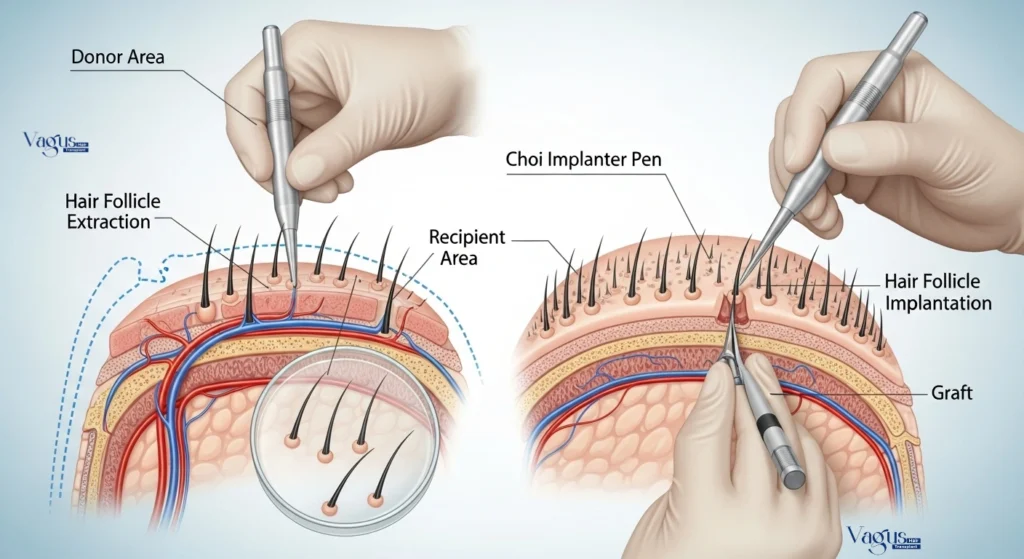
DHI (Direct Hair Implantation) is an advanced hair restoration method that allows for the direct implantation of hair follicles into the scalp. Unlike traditional hair transplants like FUT (Follicular Unit Transplantation) or FUE (Follicular Unit Extraction), DHI doesn’t require the creation of incisions before placing hair follicles.
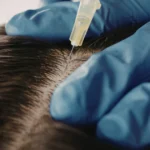
The process uses a specialized tool known as the Choi Implanter Pen, which directly implants hair follicles into the scalp without any incisions. This results in minimal discomfort, faster recovery time, and more natural-looking results. DHI is gaining popularity due to its precision and the reduced risk of scarring, making it an appealing choice for many.
How Does the DHI Procedure Work?
The DHI hair transplant process involves several steps, each designed to maximize follicle survival and minimize recovery time:
- Extraction of Follicles: Hair follicles are extracted one by one using a micro-punch tool, similar to FUE. This method is minimally invasive, causing less trauma to the scalp.
- Implantation with the Choi Implanter Pen: Unlike other methods, DHI implants the follicles directly into the scalp using the Choi Implanter Pen. This tool allows for precise placement, resulting in a natural hairline and better follicle survival rate.
- No Incisions Required: Because DHI skips the incision phase, there is less bleeding and a faster recovery time. This makes it a great choice for those seeking minimal downtime.
Why Choose DHI Hair Transplant?
1. Precision and Natural Results
The DHI technique ensures precise implantation of follicles, which helps in achieving a more natural look. Unlike FUT, where hair follicles may not always grow in the right direction, DHI ensures each follicle is placed in the perfect angle and direction to mimic natural hair growth.
2. Faster Recovery and Minimal Scarring
Because DHI doesn’t require the creation of incisions, the recovery time is much shorter compared to FUT. In fact, many patients can return to their daily activities within a few days. The procedure also results in minimal scarring, which is a significant benefit for those concerned about visible marks after their procedure.
3. Ideal for Both Men and Women
DHI isn’t just for men with male pattern baldness. Women experiencing thinning hair or pattern baldness can also benefit from this technique. Its versatility makes it a highly sought-after option for a broader range of patients.
What to Expect After a DHI Hair Transplant?
After your DHI procedure, it’s essential to follow the recommended recovery guidelines to ensure the best possible results.
1. Immediate Post-Procedure Care
Immediately following your DHI transplant, you may experience slight redness or swelling in the treated area. This is normal and should subside within a few days. Patients are usually advised to avoid touching or scratching the scalp to prevent disrupting the newly implanted follicles.
2. Recovery Timeline
The recovery timeline for a DHI transplant is relatively fast, typically lasting 7-10 days for most people. You can expect:
- Day 1-3: Minor redness and swelling, minimal discomfort.
- Day 4-7: Mild scabbing; start avoiding strenuous activities and exercise.
- 1-2 Weeks: Full recovery of the donor and recipient areas.
3. When Can You Return to Exercise?
Exercise is an essential part of staying healthy, but after a DHI transplant, you must avoid it for at least 10-14 days to allow the grafts to settle and avoid sweating. Sweating can disrupt follicle placement and affect graft survival.
4. Expert Tips for a Successful Recovery
- Use a Mild Shampoo: During the first week, opt for a gentle shampoo to clean the scalp without irritating the treated area.
- Avoid Sun Exposure: Protect your scalp from the sun to prevent damage and scarring.
- Don’t Pick or Scratch: Picking at the transplanted area can dislodge the grafts, so it’s important to let the scabs fall off naturally.
Expert Recovery Tips for a Successful DHI Hair Transplant
To get the best results from your DHI transplant, follow these expert recovery tips:
- Stay Hydrated: Drink plenty of water to keep your scalp hydrated and promote healing.
- Avoid Tight Hats or Caps: These can put pressure on the transplanted follicles, causing damage.
- Be Gentle with Hair Care: Use a gentle hand when washing and avoid any harsh treatments for the first few weeks.

Common Questions About DHI Hair Transplants
How long does it take to see results?
Most patients begin to notice initial growth within 3-4 months. However, it takes up to 12 months for the full results to appear.
Does DHI cause scarring?
One of the key benefits of DHI is that it minimizes scarring. The use of a Choi Implant Pen leaves tiny puncture marks that usually heal without visible scarring.
How much does a DHI hair transplant cost?
Costs vary depending on the clinic, location, and the extent of the transplant. On average, DHI hair transplants cost more than FUE due to the precision and specialized equipment involved.
Are there any side effects of DHI hair transplants?
Side effects are rare but may include mild swelling, redness, and minor discomfort in the donor area. These side effects are temporary and should resolve within a few days.
Next Step
Are you ready to take the first step toward restoring your hair? Book a consultation with our DHI Hair Transplant Specialist today. Our team is here to help you achieve the hair restoration results you’ve always desired.