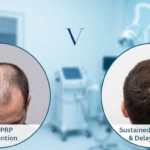
Bio-enhanced hair transplant is a new wave in hair restoration that incorporates the use of innovative follicular unit extraction (FUE) hair transplants alongside biological enhancements aimed at improving healing rates, graft viability, and hair growth success. As opposed to conventional hair transplant methods which only seek to relocate hair follicles, bio enhancement also endeavors to reinforce the scalp environment using regenerative therapies such as platelet-rich plasma (PRP), growth factors, serum-based stem cells, and extracellular matrix therapy. Bio enhancement therapy has gained popularity in recent years due to its scientific basis and natural appearance.
Patients who are contemplating bio enhancement therapy are curious about its approval by the FDA and whether it is safe and effective. Even though some devices and biological processing tools may be FDA cleared for various medical uses, bio enhancement therapy is not recognized by the FDA as a cure for hair loss. However, if done by experts in the field of hair transplantation, bio-enhanced hair transplants are generally regarded as safe and have been increasingly adopted to promote quick recovery, better follicular health, greater hair density, and improved transplant outcomes.
What Is a Bio Enhanced Hair Transplant?
A bio enhanced hair transplant is an innovative treatment method for restoring a full head of hair by combining a hair transplant procedure with regenerative treatments designed to improve the overall efficiency of the treatment. The key difference between a bio enhanced hair transplant and a conventional Follicular Unit Extraction (FUE) treatment lies in the fact that the latter involves simple hair follicle extraction and their transplantation into thinning and bald areas.
A bio-enhanced hair restoration procedure involves not only the extraction and transplantation of follicles but also the creation of optimal conditions for hair regeneration and increased health of the scalp in general. During the procedure, a surgeon may apply various biological substances with healing properties to enhance follicle survival rates, promote faster recovery, and ensure natural hair growth. Biological substances used in bio-enhanced hair transplants may include PRP, growth-factor serums, extracellular matrix solutions (ACell), or stem cells (exosomes). They are applied to improve recovery of the donor area, facilitate better healing of the scalp, preserve follicles, increase density, and ensure healthy transplantation results in the future.
How Does Bio Enhanced Hair Transplant Work?
Patients investigating contemporary methods for hair transplantation may often find themselves wondering, How does a bio-enhanced hair transplant work? This hair restoration procedure utilizes many of the same basic elements found in a conventional FUE hair transplant; however, it makes use of regenerative biological processes at certain points within the process to foster better healing, greater graft viability, and improved hair growth over the long term. In essence, the main objective behind bio-enhanced hair restoration involves not only hair follicle transplanting but also optimizing conditions for scalp growth and healing.
Step 1: Pre-Procedure Preparation
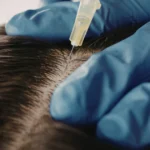
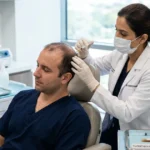
This entire process starts with a thorough pre-procedure evaluation, wherein the surgeon thoroughly examines the patient’s scalp, quality of donor site, hair density, and pattern of hair loss. During this phase, photos and scalp analysis can be done to ensure that there is a natural hairline formation and number of grafts needed for optimal distribution. In some instances, blood samples may be extracted from the patient to make Platelet-Rich Plasma (PRP). This blood is spun down through a centrifuge to extract the growth factor-laden plasma.
Step 2: Follicular Unit Extraction
When the planning process ends, the doctor proceeds with the hair transplant procedure through follicular unit extraction (FUE). It is a method that does not make large cuts in the skin and involves the careful removal of hair follicles from the donor site on the head. This procedure enables the surgeon to extract follicles from the scalp without causing any significant scars.
Step 3: Graft Preservation in Bio Solution
In the bio-enhanced hair transplant procedure, one main aspect is the manner through which the grafts harvested from the scalp are stored and preserved before the surgery process. Unlike being stored only in ordinary saline fluids, most facilities keep their harvested follicles in biologic fluids such as those made up of PRP, extracellular matrix extracts, or growth factors. The aim of using such biologic fluids is to lower the cellular stress and ensure high survival of the grafts during the implantation period.
Step 4: Regenerative Hair Therapy
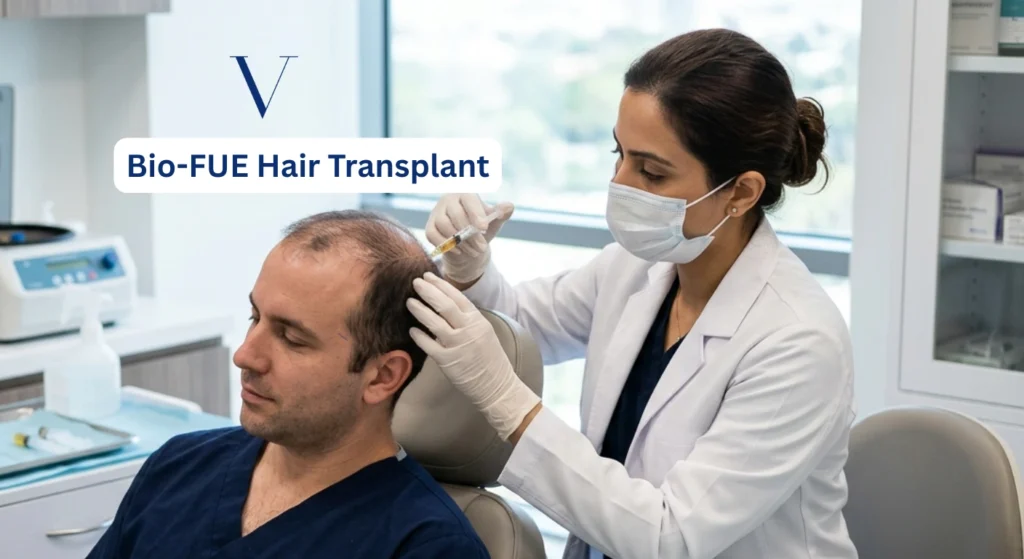
Hair regenerative therapy can be performed during or right after the hair transplant process. These include biological hair therapy techniques like PRP treatment, application of stem cell exosomes, growth factor treatment, and extracellular matrix treatments designed to induce regeneration on the scalp. The regenerative hair treatments are employed to facilitate hair follicle regeneration, minimize inflammation, speed up the scalp healing process, boost blood flow near the grafts, and ensure overall post-operative recovery.
Step 5: Graft Implantation Technique
Following the preparation of the recipient site, the hair transplant surgeon skillfully places each hair follicle based on the patient’s individual hairline pattern, facial contours, and hair flow. Modern follicle implantation methods are applied for the purpose of creating realistic density and coverage of hair restoration along with proper blood flow to the transplanted follicles. It is important to correctly place each follicular hair at an optimal angle to create a soft look in the restored area.
Step 6: Post-Procedure Bio Support
Recovery is yet another critical stage that is associated with bio-enhanced hair restoration. Some patients may receive more PRP or other forms of topical regenerative therapy in the weeks or months after surgery to help enhance their recovery process and promote the growth of new hair follicles. The use of such procedures is expected to speed up the healing process, reduce inflammation, increase graft retention, and promote the faster growth of hair. While individual experiences might differ, the general aim of a bio-enhanced hair transplant procedure is to utilize the benefits of both surgical hair transplantation and regenerative medicine.
Is Bio Enhancement Therapy FDA Approved?
The bio enhancement therapy is not an FDA-approved treatment modality by itself used only for hair loss or hair restoration. Some of the devices utilized in a bio enhanced hair transplant can have the approval by the FDA to be used for other purposes than hair transplantation. For instance, PRP preparation kits, biologic processing instruments, and extracellular matrices are examples of some of the products involved in bio enhanced hair transplant which could be FDA approved in their own right.
It is necessary to emphasize the fact that while there is regulation of medications, medical devices and biologics, surgical procedures like follicular unit extraction are not “FDA approved” because surgery is not something similar to a medicine. In contemporary times, when bio enhancement therapy is widely implemented as an adjunctive regenerative therapy for enhancing graft survival, accelerating wound healing and reducing inflammation, one needs to appreciate the fact that despite positive results in preliminary studies, the use of regenerative hair therapy is still new and results might differ among individuals.
Related: Are Exosomes FDA Approved?
Is Bio Enhanced Hair Restoration Safe?
In general, a bio-enhanced hair restoration procedure is regarded as relatively safe for most people who have no underlying medical problems or health issues. Due to the fact that therapies like PRP therapy utilize patient-specific cells, the risks associated with this process are relatively small. Another aspect that increases the safety of this kind of treatment involves the well-known safety of the FUE hair transplant technique that is performed during this procedure. Nonetheless, the safety of a bio-enhanced hair transplant procedure mainly depends on various factors such as the experience and skill of the doctor performing the operation, clinic conditions, the quality of products, and others.
In case some patients suffer from specific disorders, additional consultation with healthcare professionals may be required.Side effects of using bio hair restoration products usually go away on their own after some time, such as mild swelling, redness, tiny scabs, or tenderness of the skin in the area where the hair is being removed and where the hair grafts are implanted. However, although very rare, some severe side effects may occur, hence the importance of seeking care at an established clinic.
Bio Enhanced Hair Transplant vs Traditional Hair Transplant
| Feature | Traditional Hair Transplant | Bio Enhanced Hair Transplant |
| Focus | Hair implantation | Hair implantation + regenerative support |
| Healing Support | Standard recovery | Enhanced healing protocols |
| Graft Preservation | Basic preservation | Enhanced follicle preservation |
| Recovery | Normal recovery timeline | Potentially improved recovery |
| Hair Density | Depends on graft survival | May improve density outcomes |
| Technology | Conventional techniques | Clinically advanced hair restoration |
Benefits of Bio Enhanced Hair Transplant
Bio-enhanced hair transplant techniques incorporate traditional hair restoration as well as regenerative therapies to increase both recovery and long term hair growth results. This new method increases graft survival rates compared to standard procedures by providing a means for the follicles to remain healthier during extraction and implantation. The use of growth factor based regenerative support is also beneficial for accelerating the healing of the scalp following surgery, which can lead to less discomfort and swelling for many patients.
Patients choose bio-enhanced hair transplant procedures because of the ability to achieve better density improvements in their hair as well as a more natural appearance. Healthier follicle retention helps promote thicker regrowth; regenerative therapies such as PRP can also aid in stimulating dormant or weak native hairs around the treated area. Additionally, the healing process for the donor area tends to be smoother with an increase in support to the tissue during recovery. Bio-enhanced procedures can provide a superior result for individuals looking for advanced hair restoration options by combining precise implantation and natural hairline design with abundant density and long-lasting results.
How Long Do Bio Enhanced Hair Transplant Results Last?
The duration of bio-enhanced hair transplant results is one of the most frequently asked questions by individuals who are pursuing either procedure. Most transplants yield satisfactory results that last many years; however, there are a number of variables which influence how long the results will remain visible, such as the health of the donor follicles used, the surgical precision of the procedure, and how well patients follow post-operative care directions. The ultimate success of transplants in yielding long-lasting results can also depend on whether or not patients can manage their progression of continuing hair loss through proper medical assistance and taking care of their scalp.
Transplanted hair is usually permanent because it comes from areas of the scalp that have genetically been resistant to male and female pattern baldness. While the transplanted hair grows normally, the non-transplanted hairs on the scalp that are in the treated area may continue to thin over time. As a result, maintaining healthy hair and scalp and preventing further loss of hair will influence the long-term results of hair restoration.
Why Bio Enhanced Hair Transplant Is Also Called Bio FUE Hair Transplant
Bio-enhanced hair transplant (sometimes called Bio-FUE) is a term used to define the combination of traditional Follicular Unit Extraction (FUE) techniques and regenerative support therapies that enhance the overall results of the hair transplant process. This procedure is an advanced form of FUE hair transplant that incorporates biological therapies such as PRP, growth factors, exosomes, or regenerative solutions at various stages of the procedure. The use of these therapies may assist with the preservation of grafts; accelerate scalp healing, reduce inflammation, and enhance postoperative recovery for the patient after a hair transplant.
While standard FUE generally focuses on the extraction of grafts and the implantation of grafts into the bald area, Bio-FUE places more emphasis on creating an optimized environment for the healed transplant site and the transplanted follicles than does standard FUE. Many clinics use the two terms, “Bio-FUE” or “bio-enhanced hair transplant”, interchangeably to describe procedures that combine the surgical restoration of hair with the addition of regenerative medicine techniques. Regardless of the terminology, both types of procedures are designed to improve graft survival; promote the growth of healthy, thick hair; and ultimately provide the patient with natural, long-term results from a hair restoration procedure.
Is Regenerative Hair Therapy Effective?
Regenerative Hair Therapy (RHT) consists of treatments such as PRP, exosomes, or growth factor-based therapies that are increasingly being recognized as effective standalone non-surgical support for hair loss and as an advanced adjunct to hair transplant procedures. Many have seen clinical evidence of improved hair thickness, improved scalp condition, improved healing time, and improved overall long-term results with their hair transplant, following regenerative support therapy.
Also Read: Is Follicular Regeneration Therapy Permanent?
The use of regenerative medicine in treating balding (also called ” hair loss”) is becoming more popular in medicine. There are many studies now showing us how we can use regenerative procedures to help keep transplanted hair, as well as help the healing process after surgery has occurred, possibly leading to better outcomes overall when using only the traditional way of treating balding or hair loss with transplants.
PRP (platelet-rich plasma), exosomes, and growth factor therapies are a few of the treatments being used in conjunction with traditional surgical methods of restoring hair in an attempt to promote formerly healthy follicles’ function and better recovery after the procedure is completed. Regenerative therapies used for restoring hair vary so much from patient to patient based on genetics, the amount of hair loss (or balding), the condition of the scalp, surgical techniques used, and aftercare given after the original procedure; therefore, it is difficult to compare treatments on a patient-to-patient basis because of how much “ the effects vary based on all these different factors.”
Does Bio Enhanced Hair Transplant Improve Graft Survival?
Transplant Success Is Correlated To Graft Survival
The possibility of success for grafts is based mainly on whether the graft will survive or not. Some small studies and a number of clinical cases have shown that Graft Survival may be significantly improved if you are bio-enhanced (i.e., with PRP or ECM) in comparison to standard FUE (Follicular Unit Extraction) alone. While there has yet to be a large-scale randomized trial supporting this theory, there is evidence from surgeon experience and available evidence that indicate modest but meaningful contributions from bio-enhancement, especially in patients who have weaker donor hair or undergo high-density sessions.
Vagus Hair Transplant and Bio Enhanced Hair Restoration
Vagus Hair Transplant Clinic is one of the clinics specializing in advanced procedures that utilize both modern surgical techniques and principles of regenerative therapies to provide excellent overall results. The vagus hair transplant procedure generally aims to provide patients with a natural hairline design, maximum follicle preservation, the best possible techniques for graft implantation, and a smoother recovery for the scalp following the procedure.
Using bio-enhanced therapy in conjunction with advanced FUE (Follicular Unit Extraction) hair transplantation techniques enhances the potential for greater graft survival and provides good density to the hair over the course of time. When choosing clinically advanced hair restoration, many patients are searching for a treatment that not only replaces lost hair due to genetic or other causes but also enhances the healing properties of their scalp. Therefore, due to their proven success in providing patients with natural-looking hair restoration and long-term hair transplant results, bio-enhanced hair transplant procedures incorporating modern advances in regenerative approaches are becoming increasingly popular among people considering hair replacement.
Final Verdict
Bio enhanced hair transplant procedure is considered to be one of the latest achievements in hair restoration surgery, which uses traditional hair transplantation methods supplemented by regenerative therapies, aimed at enhancing the efficiency of the process and improving patients’ results. Despite the fact that FDA does not recognize bio enhancement treatment for hair loss as an independent method, all the elements used in bio enhancement, such as PRP technology and various regenerative technologies, are commonly applied in clinics and receive significant support based on medical practitioners’ experience in hair restoration.
As regenerative medicine for hair loss keeps developing, the number of hair restoration centers using the concept of bio enhancement in advanced FUE transplants will increase. Nevertheless, regardless of the effectiveness of hair restoration procedures, there is always a necessity to select a patient properly and have appropriate expectations regarding possible outcomes. It means that a patient should choose a clinic carefully, selecting a well-trained hair restoration specialist who is able to offer a transparent treatment plan.
Frequently Asked Questions
Is bio enhancement therapy FDA approved?
There is no FDA approval for bio enhancement therapy as a bundled product. There are FDA approvals for some of its elements such as PRP centrifuges and some forms of ECM; however, these are used off-label in hair transplant surgery.
How does bio enhanced hair transplant work?
The procedure involves the integration of normal FUE extraction with biologics such as PRP, growth factors, and ECM solutions which provide nutrition to the grafts, speed up the healing process, and help in regenerating the follicles.
Is bio enhanced hair restoration safe?
Certainly it is because it is done under sterile conditions by qualified surgeons and involves using quality biologics. There is very minimal risk involved due to the use of your own blood for PRP.
What is bio enhancement therapy for hair transplant?
It refers to the utilization of biological regenerative agents, like platelet-rich plasma, growth factors, and extracellular matrix components, to help promote graft survival and hair density through the hair transplant process.
Does bio enhanced hair transplant improve graft survival?
There is evidence to show that it may enhance graft survival, especially in high density procedures and in cases where the patient’s donor hair is relatively poor.
Is regenerative hair therapy effective?
Yes, regenerative hair therapy can be effective when applied either on its own as a non-surgical treatment for hair support or in combination with transplantation, but the results will vary between patients.
What are the benefits of bio enhanced hair transplant?
Advantages include: improving the survival rate of the graft, healing time; improving return of density; stimulating the native follicle; the healing time will be smoother in the donor area; and improved overall appearance long term.
How long do bio enhanced hair transplant results last?
Implanted hair using an enhanced procedure usually lasts indefinitely as it gives genetically stable donor follicles with a genetic resistance against baldness.
Is bio enhanced FUE hair transplant worth it?
For patients that want the best possible results, more rapid recovery and improved density; they would typically find the upgrade is worth the extra cost. The best way to decide would be by consulting with an experienced surgeon.
Is bio enhanced hair transplant better than a regular FUE?
Frequently, yes, especially for patients who have high-density hair requirements or patients whose donor hair has been compromised. However, a trained FUE surgeon may still be able to deliver exceptional outcomes even with the use of standard FUE techniques.