The effectiveness of scalp micropigmentation (SMP) density depends largely on how well you follow the aftercare guidelines. This affects how well the pigment settles, the longevity of the final results, and how natural the appearance will be. Even the best SMP procedure can appear coarse or fade unevenly without a carefully planned maintenance routine. SMP is a reliable and proven solution for thinning hair, bald spots, or receding hairlines because it creates the illusion of greater density in areas affected by hair loss.
However, maintaining that density over time relies heavily on proper aftercare. The condition of the scalp during the healing process is crucial for pigment retention, overall results, and long-term appearance. Therefore, following aftercare instructions is essential for a successful outcome. This article will explore the importance of aftercare, its impact on SMP density and durability and outline key practices for achieving natural-looking, long-lasting SMP.
Understanding Scalp Micropigmentation Density
Scalp micropigmentation density refers to the closeness and evenness of pigment dots applied to create the appearance of thicker hair. Whether addressing thinning hair or enhancing the results of a hair transplant, density plays a key role in achieving a natural and realistic look.
Why Density Matters
Density is important because it produces the visual effect of fuller hair while blending smoothly with existing follicles. It also improves the overall appearance after a hair transplant and helps shape the final desired look. However, without proper aftercare, even well-applied density can fade over time, resulting in less defined outcomes.
Why SMP Aftercare is Essential for Density Optimization
Following scalp micropigmentation, the healing process and appropriate aftercare routines are essential for pigment retention and the quality of the final result. The density of your SMP treatment depends heavily on how well the scalp heals and holds the pigment. Failing to follow proper aftercare can cause fading, uneven pigmentation, and an unsatisfactory appearance.
Pigment Retention in Scalp Micropigmentation
After the procedure, the scalp undergoes a healing phase during which the pigments settle into the skin. Proper aftercare at this stage is crucial, as inadequate maintenance can cause premature fading or uneven pigment absorption, impacting the overall density.
Scalp Micropigmentation Healing Process
The healing process plays a vital role in how well the pigment stays embedded in the scalp. Adhering to correct aftercare practices helps avoid complications such as infection, dryness, and irritation, all of which can negatively affect pigment density and the final outcome.
Preventing Fading in Scalp Micropigmentation
Factors like sun exposure, excessive sweating, and improper washing can speed up pigment fading. Maintaining a proper aftercare routine supports pigment longevity and helps keep density consistent for a longer period.
Key Benefits of Proper SMP Aftercare
Ensuring Optimal Density in Scalp Micropigmentation
A consistent aftercare routine helps keep pigment evenly distributed, ensuring a fuller and more uniform scalp appearance.
Long-lasting SMP Results
Following recommended aftercare guidelines can significantly prolong the results, minimizing the frequency of touch-ups.
Maintaining Natural-looking SMP Results
Regular care prevents patchiness and helps maintain a natural, realistic look over time.
SMP Longevity and Scalp Health
A healthy scalp environment enhances pigment retention, directly supporting both the density and longevity of SMP results.
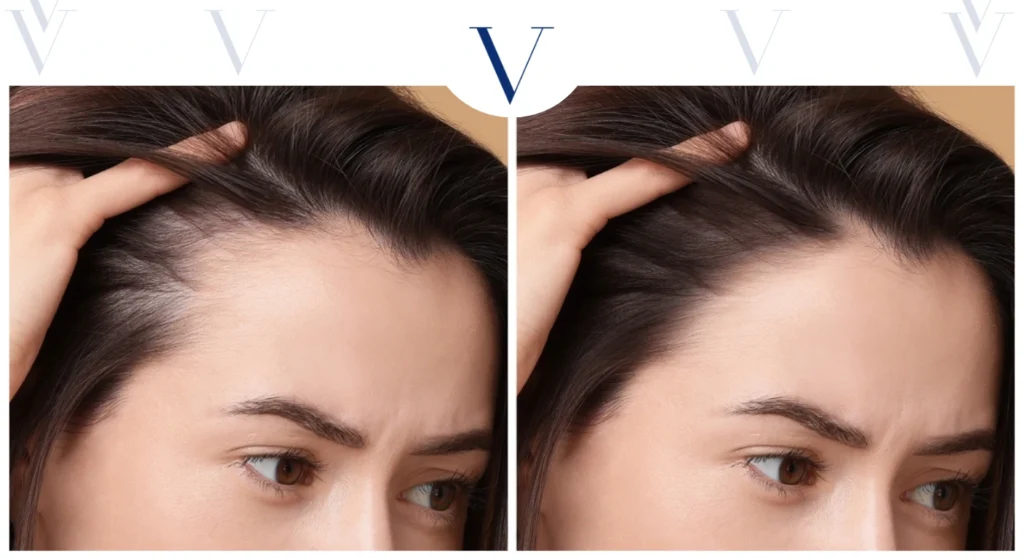
Proper SMP Aftercare Routines
First 7 Days: Critical Healing Phase
During the initial week, the scalp remains very sensitive. It is crucial to avoid washing the area, excessive sweating, and strenuous activities like gym workouts. Keeping the scalp clean, dry, and shielded from direct sunlight is vital for proper healing and pigment retention.
Days 7–14: Gradual Recovery
As healing progresses, you can start gently washing the scalp with mild, non-irritating products. Avoid scratching or picking at the treated area, as this can disrupt the pigment and affect the overall density.
Long-term Maintenance
Long-term care includes regular use of sunscreen to protect against UV damage, consistent moisturizing to prevent dryness, and steering clear of harsh chemical products. These steps are important to preserve SMP density and maintain the results over time.
How to Maintain SMP Density Over Time
Tips for SMP Aftercare and Density
Maintaining SMP density requires following the specialist’s aftercare advice carefully, keeping the scalp well-hydrated, and protecting it from UV exposure. Regular touch-up sessions are also important to sustain long-lasting results.
Micropigmentation Density Enhancement Tips
To enhance density further, maintain a healthy scalp by minimizing excessive sweating and friction. Use only recommended skincare products that support scalp health and help stabilize the pigment.
Common Mistakes That Reduce SMP Density
Ignoring Aftercare Instructions
Neglecting aftercare guidelines is one of the main causes of uneven healing and pigment loss.
Overexposure to Sun
Too much UV exposure speeds up pigment fading, resulting in reduced density.
Using Harsh Products
Strong chemicals or inappropriate skincare products can harm the scalp and interfere with pigment retention.
Skipping Touch-ups
Even with proper care, regular maintenance sessions are necessary. Skipping touch-ups can lead to decreased density over time.
SMP Density Optimization for Various Situations
Scalp Micropigmentation for Thinning Hair
In cases of thinning hair, following proper aftercare is crucial to ensure that the SMP seamlessly blends with the existing hair, even as hair loss continues.
Scalp Micropigmentation After Hair Transplant
Aftercare plays a vital role for those who have had a hair transplant, helping to harmonize the transplanted hair with the SMP density for a natural and unified look.
The Importance of Choosing the Right Specialist
A disciplined aftercare routine cannot make up for poor application. Choosing the right clinic is key to achieving the best results. It is important to find scalp micropigmentation specialists near you who use effective techniques, high-quality pigments, and offer thorough professional aftercare guidance to guarantee lasting success.
Related: How Much Does Scalp Micropigmentation Cost?
How Long Does Scalp Micropigmentation Last?
With proper aftercare focused on density, SMP results generally last between three to five years before noticeable fading occurs. In many instances, the results may last longer with regular maintenance and adherence to aftercare instructions. Ultimately, aftercare is the most critical factor affecting the durability and quality of SMP outcomes.
Also Read: Does scalp micropigmentation hurt?
Why Choose Vagus Hair Transplant for SMP Density Results
Achieving optimal scalp micropigmentation density depends greatly on the clinic’s expertise as well as proper aftercare. Vagus Hair Transplant is recognized for providing precise and natural-looking scalp micropigmentation results by using advanced techniques combined with personalized treatment plans.
Their method emphasizes not only immediate density but also long-term maintenance through tailored aftercare instructions based on each client’s scalp type and lifestyle. This approach promotes better pigment retention, improved healing, and consistently lasting results. For those experiencing thinning hair or seeking enhancement after a transplant, selecting a clinic like Vagus ensures both high-quality application and effective post-treatment care, leading to better density preservation and a more natural look over time.
Final Thoughts
Achieving the ideal scalp micropigmentation density does not conclude once the session is complete. The true effort starts with proper aftercare. From the healing process to ongoing maintenance, each step is essential in maintaining density, ensuring natural-looking results, and prolonging the effectiveness of your treatment. For consistent and long-lasting SMP results, consider aftercare an integral part of the procedure rather than an optional step.
Frequently Asked Questions
Does aftercare really affect SMP density?
Yes, aftercare directly impacts pigment retention and overall density appearance.
What happens if I don’t follow SMP aftercare?
You may experience uneven fading, patchy results, and reduced longevity.
How soon can I wash my scalp after SMP?
Usually after 4–7 days, depending on your specialist’s advice.
Can sunlight reduce SMP density?
Yes, UV exposure is one of the biggest causes of fading.
How often should I get touch-ups?
Typically every 2–4 years, depending on how well you maintain your results.