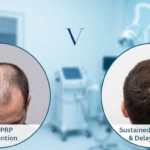
Hair loss is a common concern for both men and women, and more people are looking for non-surgical options before deciding on a hair transplant. One such treatment that is getting a lot of attention is PRP for Hair Loss, which is a type of regenerative therapy. Many people want to know if PRP can help slow down or reduce the need for surgery, and in the early stages of hair loss, the answer is often yes. PRP uses concentrated growth factors from the patient’s own blood to stimulate weak or inactive hair follicles, improve scalp health, and encourage natural hair growth.
Although PRP isn’t a permanent solution for genetic hair loss, it can help slow the progression of thinning hair, increase hair density, and help keep existing hair longer. However, how well it works depends on things like how far along the hair loss is, the health of the follicles, genetic factors, and how regularly the treatments are done. For many people, PRP acts as a good maintenance treatment that can delay the need for more invasive procedures like an FUE hair transplant. In more advanced cases, it’s often used to support other treatments rather than as a complete solution for long-term hair restoration.
Understanding PRP for Hair Loss
What Is PRP Hair Treatment?
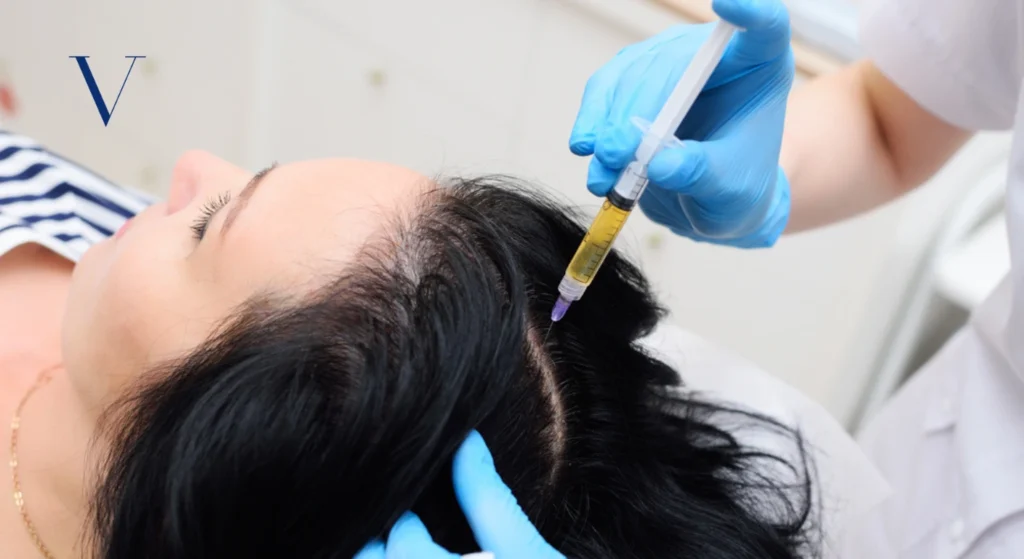
PRP hair treatment, also called Platelet Rich Plasma therapy, is a type of treatment that helps grow hair.It uses a special part of the patient’s blood called platelet-rich plasma. This plasma has growth factors that can help the hair follicles become more active and improve blood flow to the scalp.
The process usually includes:
- Taking a small sample of blood
- Using a machine to spin the blood and separate the platelet-rich plasma
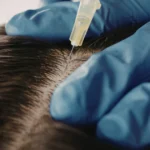
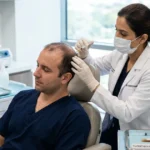
- Then, injecting this plasma into the areas of the scalp where hair is thinning
PRP hair therapy aims to help stimulate the hair follicles, make them healthier, and support the natural growth of hair.
Also Read: Does PRP hair restoration really work, or is it just hype?
How PRP Helps Delay Hair Transplant Surgery
PRP Supports Existing Hair Follicles
PRP can help put off the need for a hair transplant surgery. PRP helps keep the hair you already have. When hair starts to thin, the hair follicles are still alive but not strong. PRP may make these follicles stronger before they stop producing hair completely. That’s why PRP is often used as a way to deal with hair thinning in the early stages of hair loss.
Hair Density Improvement Can Reduce the Need for Surgery
One of the main reasons people choose PRP for hair loss is that it can improve overall hair density and make existing hair follicles stronger before hair loss becomes bad. PRP treatment results for both men and women often include less hair falling out, thicker hair strands, a healthier scalp, better hair texture, and more active hair follicles.
By helping weak but still working follicles, PRP hair treatment can lead to a fuller look and slow down hair thinning. For those with mild to moderate hair loss, these benefits can greatly delay the need for surgery. In many cases, regular PRP treatment works well as a way to keep natural hair for a longer time before a hair transplant is needed.
PRP Is Useful Before Hair Transplant
PRP can be helpful before a hair transplant. Many doctors suggest using PRP before the procedure because a healthier scalp might lead to better results and faster healing. PRP before a hair transplant can also help slow down any existing hair loss before the surgery takes place.
Does PRP Really Work for Hair Loss?
PRP hair treatment has shown positive results for many people who are losing hair due to androgenetic alopecia or early thinning, especially when started before the hair follicles are too damaged. PRP works by sending a high concentration of growth factors to the scalp, which can help strengthen weak hair follicles, improve the health of the scalp, and support the natural growth of hair.
However, it’s important to know that PRP isn’t a permanent solution for severe baldness or for follicles that are no longer active. People usually get the best results when they start treatment early, when the hair follicles are still working, and when they follow the treatment regularly under the care of a professional. The effectiveness of PRP therapy can also increase when used along with good hair care, medical treatments, and a routine for keeping the scalp healthy. Instead of creating new hair follicles, PRP mainly helps strengthen existing hair and maintain it, helping to increase hair density and slow down further hair loss.
Can PRP Regrow Lost Hair?
PRP for hair loss might help stimulate weak or inactive hair follicles that are still alive.The treatment uses concentrated growth factors from Platelet Rich Plasma to support the hair follicles, improve blood flow to the scalp, and encourage natural hair growth in thinning areas. However, it’s important to know that PRP can’t create new hair follicles where they are completely gone or damaged. This is a key difference between PRP and hair transplant. PRP helps strengthen and revive existing follicles, while a hair transplant moves healthy follicles from one area to another. Because of this, PRP works better for early hair thinning, while hair transplant is more suitable for serious baldness and long-term hair restoration.
Additionally, Is PRP permanent for hairline or crown regrowth?
PRP vs Hair Transplant: What’s the Difference?
| Aspect | PRP Hair Therapy | Hair Transplant Surgery |
| Treatment Type | PRP hair therapy is a treatment that helps regrow hair without surgery. It uses Platelet Rich Plasma to activate weak hair follicles and make the scalp healthier. | Hair transplant surgery is a type of medical procedure used to restore hair. It involves taking healthy hair follicles from one part of the scalp where there is plenty of hair and moving them to areas where the hair is thinning or missing. |
| Procedure Method | The treatment starts by taking the patient’s blood, then separating the platelet-rich plasma from it, and finally injecting that plasma into the parts of the scalp where hair is thinning. | Healthy hair follicles are taken out, often using modern FUE methods, and carefully placed into areas where someone is losing hair. |
| Best For | Early hair thinning, widespread hair loss, weak hair follicles, treatments to keep hair in good condition, and slowing down how fast hair loss happens. | People are dealing with serious hair loss, hairlines that are moving back, areas where hair is missing, thinning hair, and they want long-term solutions to grow their hair back. |
| Main Benefits | Helps to stimulate hair follicles, increases hair thickness, makes existing hair stronger, and encourages natural hair growth. | Offers lasting hair growth, brings back a natural hairline, enhances scalp coverage, and provides a permanent solution for moving hair follicles. |
| Downtime | The procedure causes very little disruption because it doesn’t require making cuts, using stitches, or taking tissue from another part of the body. | Because the procedure is surgical, it needs some time to recover, but newer FUE techniques usually cause less scarring and help the healing process go faster. |
| Limitations | This treatment needs several sessions, and the results can be different for each person. It also cannot bring back hair in areas where the hair follicles are no longer working. | It is a surgery that tends to be more expensive, takes longer to recover from, and requires careful after-treatment care. |
| Ideal Candidates | Patients who have mild to moderate hair thinning and are looking for a non-surgical treatment option before deciding on a hair transplant procedure. | People who have steady hair growth, severe hair loss, or major thinning and need a long-term solution instead of just temporary treatments. |
Is PRP Better Than Hair Transplant?
Whether PRP is better than a hair transplant depends on how far along the hair loss is and what the person wants to achieve. PRP is usually a good option for people who are starting to lose hair, have weak hair follicles, or have thinning hair all over the head. It helps by strengthening and improving the health of existing hair. PRP uses platelet-rich plasma, which contains growth factors that help hair follicles grow, prevent hair loss, and make hair thicker. Since PRP is a treatment that doesn’t require surgery, a lot of people choose it first to slow down hair loss and keep their natural hair for longer.
On the other hand, hair transplant surgery is often better for people who have already lost a lot of hair, have a receding hairline, or have areas where the hair follicles aren’t working anymore. Unlike PRP, which helps the existing hair, a hair transplant moves healthy hair follicles from one part of the head to the thinning or bald areas. In many cases, PRP and hair transplants are used together to get the best results. PRP helps with scalp health and makes the transplanted hair grow better, while the surgery gives long-lasting, dense hair growth.
Who Is a Good Candidate for PRP?
Patients who benefit most from PRP treatment for hair loss typically include:
- People with early signs of thinning
- Men with male pattern baldness
- Women with widespread thinning
- Individuals with weak hair follicles
- People looking to manage hair thinning
Younger patients often see better results because their hair follicles are still active.
Can PRP Prevent Baldness?
PRP cannot stop genetic baldness forever, but it might slow down hair loss a lot in some people.It helps by making the scalp healthier and giving the hair follicles more nutrients, which can keep hair growing for a longer time.That’s why many doctors think of PRP as a way to delay the need for a hair transplant, not as a permanent solution.
How Long Does PRP for Hair Loss Last?
The results from PRP for hair loss aren’t permanent and usually need regular follow-up to keep the improvements visible. After the first part of the PRP treatment, most people have monthly sessions to help strengthen weak hair follicles. Later, they might get treatments every 4 to 6 months to keep the results.
These follow-up treatments help maintain thicker hair, a healthier scalp, and ongoing support for hair growth. If you don’t keep up with the treatments, the effects may fade over time, and hair thinning or shedding could come back. Because of this, PRP is usually suggested as a long-term way to maintain hair health, not just a single treatment to restore hair.
PRP Treatment Results for Men and Women
Patients undergoing PRP for Hair Loss commonly observe a range of gradual but noticeable improvements in overall hair quality and scalp health. These include reduced hair shedding, improved scalp condition, stronger and healthier hair texture, enhanced hair density, and a thicker-looking appearance over time.
Platelet-rich plasma therapy works by stimulating hair follicle activity and supporting follicular rejuvenation, which helps improve the natural hair growth cycle. Since hair growth is a gradual biological process, visible results from PRP hair treatment typically take a few months to become noticeable, depending on individual response, consistency of sessions, and the stage of hair thinning.
Can PRP Replace a Hair Transplant Completely?
PRP for hair loss can’t fully take the place of a hair transplant in every situation.While PRP therapy might help slow down the need for surgery in people with early hair thinning by making existing hair follicles stronger and improving scalp health, it isn’t enough for severe baldness where the hair follicles are no longer active or missing.
In these cases, PRP mainly acts as a helpful treatment rather than a complete fix. PRP works best for keeping current hair, helping weak follicles, increasing hair density, and slowing down hair loss. However, hair transplant surgery is still the best and most lasting way to regrow hair in areas that are completely bald or very thin, because it moves healthy hair follicles from one part of the head to another for long-term results.
Combining PRP With Other Hair Loss Treatments
In today’s medical practices, many clinics use a multi-modal approach to treat hair loss.This method involves using PRP for hair loss along with other treatments like medicine, low-level laser therapy, good nutrition, special scalp treatments, and FUE hair transplants. PRP helps the hair follicles grow better, improves the health of the scalp, and supports natural hair growth.
At the same time, other treatments help with issues like hormones, nutrition, and the structure of the scalp that cause hair loss. By using these treatments together, doctors can increase the number of hairs, make existing hair stronger, and help new hair grow better when combined with surgery. Overall, using PRP along with other treatments usually gives more lasting and complete results for hair restoration.
Advantages of PRP for Hair Loss
PRP for hair loss is a popular choice because it’s a gentle treatment that uses the patient’s own blood.This makes it less likely to cause allergies and helps the body heal better naturally. One big plus is that it requires little recovery time, so people can get back to their usual routines quickly. PRP also helps to wake up dormant hair follicles, makes hair thicker, and improves the health of the scalp. These benefits make PRP a good option for people with mild to moderate hair thinning who want to start treatment early and possibly avoid surgery.
Limitations of PRP Hair Therapy
Even though PRP for hair loss is a helpful regenerative treatment for many people, it’s important to know that results aren’t always the same for everyone. How well PRP hair therapy works depends on several things, like the patient’s age, family history of hair loss, how much and how severe the hair loss is, hormone levels, how often treatments are done, and whether the hair follicles are still alive.
PRP works best when the follicles are still active, so people who have severe baldness or follicles that are no longer working may not see much improvement. Because of this, PRP is usually better for early hair thinning and keeping hair thick than for restoring hair in advanced baldness cases.
Vagus Hair Transplant and PRP Hair Therapy
A Vagus Hair Transplant can work well with PRP for hair loss to create a more complete hair restoration plan. While PRP therapy helps make weak hair follicles stronger, improves scalp health, and supports natural hair growth, advanced FUE hair transplant techniques help restore areas that are severely thinning or bald. Using Platelet Rich Plasma along with modern graft placement methods can help with healing, support follicle recovery, and improve overall hair density.
Many doctors also suggest using PRP before a hair transplant to stop ongoing hair loss and create a better environment for the grafts to survive. This combination is especially helpful for people who want both quick improvements in appearance and long-term hair care. By combining regenerative treatments with precise surgery, a Vagus Hair Transplant approach can give more natural and lasting results for those with ongoing hair loss.
Final Thoughts
PRP for hair loss has become one of the most promising non-surgical treatments for people who are starting to lose hair and have weak hair follicles. Although PRP can’t completely cure baldness or fully replace hair transplant surgery, it can help delay the need for surgery by improving scalp health, making weak follicles stronger, and encouraging natural hair growth.
For many people, PRP works well as a way to keep existing hair and strengthen it over time. However, those with severe baldness or follicles that aren’t active might still need a hair restoration procedure to get permanent results. The best way to proceed is through personalized treatment planning. Talking to an experienced hair restoration specialist can help figure out whether PRP therapy, hair transplant surgery, or a mix of both is the best choice for long-term hair health.
Frequently Asked Questions
Does PRP really work for hair loss?
PRP may help improve hair density, reduce shedding, and strengthen weak follicles, especially in early-stage hair loss cases.
Can PRP regrow lost hair?
PRP may stimulate weakened follicles but cannot create new follicles in completely bald areas.
How long does PRP for hair loss last?
Results vary, but maintenance sessions every few months are usually required to sustain benefits.
Is PRP better than a hair transplant?
PRP is better for early thinning and maintenance, while hair transplant surgery is more effective for advanced baldness.
Can PRP prevent baldness?
PRP may slow down progressive hair loss, but it cannot permanently stop genetic baldness.
Who is a good candidate for PRP?
Patients with early-stage hair thinning, weak follicles, and mild to moderate hair loss are usually good candidates.
Is PRP worth it for hair thinning?
Many patients consider PRP worthwhile because it is minimally invasive and may improve hair quality and density naturally.
Does PRP improve hair density?
Yes, PRP may support hair density improvement by stimulating healthier follicular activity and reducing miniaturization.