What Is FUT Hair Transplant? FUT (Follicular Unit Transplantation) is a hair restoration procedure where a strip of skin with healthy hair follicles is harvested from the donor area and transplanted into thinning or bald areas. This method offers natural-looking results, high graft yield, and is ideal for those with advanced hair loss. The recovery is gradual, with visible results within 6-12 months.
Introduction
If you’re considering hair restoration, understanding the process is crucial. FUT hair transplant is one of the most popular procedures for individuals experiencing significant hair loss. In this guide, we’ll explain what FUT hair transplant involves, its benefits, potential risks, recovery expectations, and how it compares to other hair restoration methods.
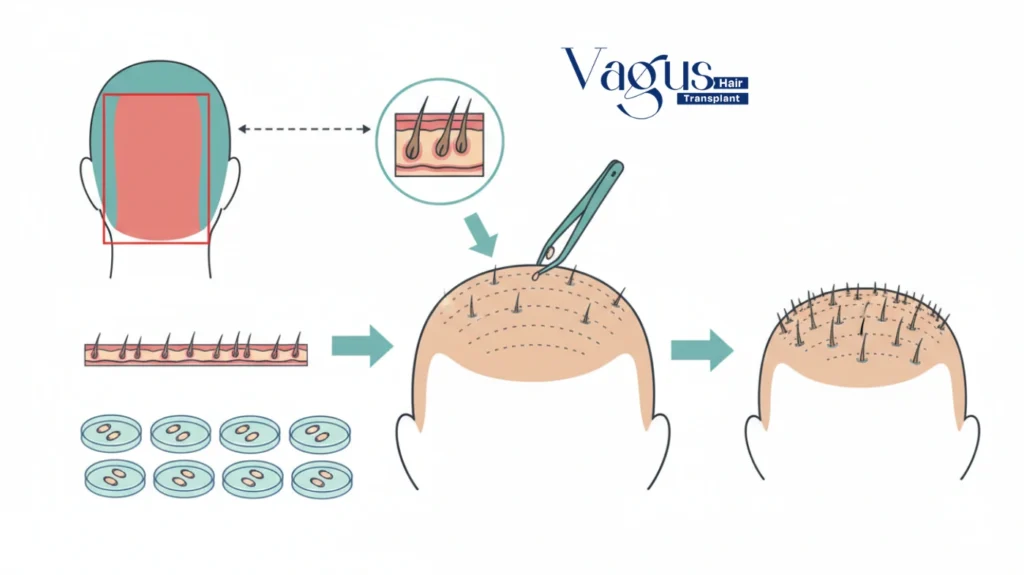
How FUT Hair Transplant Works
Step-by-Step Procedure
Follicular Unit Transplantation (FUT) is a hair restoration method that involves removing a strip of skin from the back of the scalp, which contains healthy hair follicles. These follicles are then dissected into smaller grafts and transplanted into areas of thinning or balding.
- Donor Area Preparation:
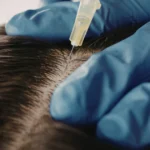
The surgeon begins by shaving and numbing the area from where the hair follicles will be harvested. This area, usually at the back of the scalp, provides healthy follicles for transplantation. - Graft Harvesting and Dissection:
A thin strip of skin is removed, typically around 6-10 inches long. The hair follicles in this strip are then separated into individual grafts under a microscope. - Recipient Site Creation and Graft Placement:
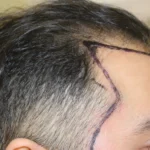
Tiny incisions are made in the recipient area (where hair is thinning). The grafts are carefully placed into these incisions, ensuring the hair grows in the same direction as natural hair.
Benefits of FUT Hair Transplant
High Graft Yield in One Session
FUT provides a large number of hair grafts in a single session. This makes it ideal for individuals with advanced hair loss or those who require a significant number of grafts for a fuller look.
Natural-Looking Results
Because FUT uses naturally growing hair follicles, the transplanted hair blends seamlessly with the existing hair. The technique allows for a natural appearance, particularly when performed by an experienced surgeon.
Suitable for Advanced Hair Loss
FUT is especially effective for individuals with significant hair thinning or baldness. Unlike other methods like FUE, which requires a donor hair supply, FUT can harvest a large number of follicles from the donor area in one go.
Recovery Timeline and Aftercare
Immediate Post-Procedure Care (Days 1–7)
After the FUT procedure, it’s crucial to follow your surgeon’s instructions for the first week. During this time:
- Rest and minimize movement to avoid disturbing the transplanted grafts.
- Gentle washing: Use a mild, non-alcoholic shampoo to clean your hair.
- Pain management: Mild pain or swelling can occur; over-the-counter medications usually suffice.
Weeks 2–4: Shedding Phase and Initial Growth
During this phase, you may notice that the newly transplanted hair falls out. This is completely normal and is part of the process, as the hair follicles enter a shedding phase before new hair starts growing.
Months 3–6: Visible Hair Growth
At this point, new hair begins to grow in the transplanted areas. While results may vary, you can expect to see a noticeable improvement in hair density.
Months 6–12: Full Results
By the one-year mark, most patients see the full results of their FUT hair transplant. The hair will continue to thicken, and the transplanted follicles will grow as natural hair, blending seamlessly with the rest of your scalp.
Potential Side Effects and Risks
While FUT is generally a safe procedure, there are some risks and side effects to be aware of:
Scarring
Since FUT involves removing a strip of skin, a linear scar will remain at the donor site. However, this scar is typically hidden by surrounding hair. Scarring varies depending on the surgeon’s technique and individual healing factors.
Infection
As with any surgical procedure, there is a small risk of infection. To minimize this risk, follow the post-procedure care instructions and keep the area clean.
Temporary Shock Loss
Some patients experience temporary hair loss in both the donor and recipient areas, known as “shock loss.” This typically resolves within a few months as the hair begins to grow back.
Nerve Sensitivity
Occasionally, patients may experience numbness or tingling in the donor or recipient areas due to nerve irritation. This usually resolves within a few weeks.
FUT vs. FUE: Which Is Right for You?
Comparison of Techniques
Both FUT (Follicular Unit Transplantation) and FUE (Follicular Unit Extraction) are popular methods for hair restoration, but each has its pros and cons.
| Feature | FUT | FUE |
|---|---|---|
| Procedure | Strip harvesting of donor hair | Individual follicle extraction |
| Scarring | Linear scar at donor site | Minimal scarring, dot-like marks |
| Recovery Time | Slightly longer recovery time | Quicker recovery |
| Hair Graft Yield | Higher graft yield in one session | Lower yield per session |
| Ideal Candidates | Advanced hair loss, larger coverage needed | Milder hair loss, smaller areas covered |
Factors to Consider
- Budget: FUT is often more affordable due to its ability to harvest more grafts in one session.
- Hair Loss Stage: If you’re in the early stages of hair loss, FUE may be a better option for you, while FUT is ideal for more advanced cases.
Expert Recovery Tips
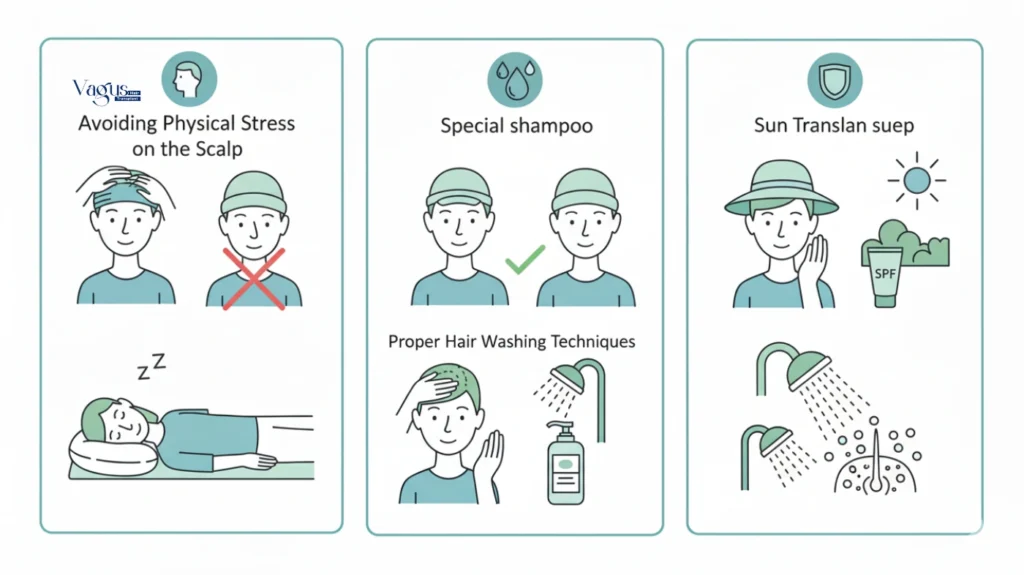
Avoiding Physical Stress on the Scalp
Avoid any strenuous activity that might disturb the transplanted follicles. This includes bending, lifting, or any activities that increase blood pressure in the first few weeks.
Proper Hair Washing Techniques
To ensure the best recovery, wash your hair gently, using lukewarm water and a mild shampoo. Avoid direct contact with the grafts for at least the first week.
Sun Protection
The scalp is sensitive after a hair transplant. It’s important to protect it from direct sunlight to avoid irritation or sunburn.
Follow-Up Appointments
Attend all follow-up appointments to ensure your recovery is progressing as expected. Your surgeon will monitor your results and guide when to resume normal activities.
FAQs
How Long Does the Procedure Take?
The FUT procedure typically takes around 4–8 hours, depending on the extent of the hair loss and the number of grafts required.
Is FUT Suitable for Women?
Yes, FUT can be a good option for women with significant hair loss, especially those with advanced thinning that requires a large number of grafts.
What Is the Cost of a FUT Hair Transplant?
The cost of an FUT hair transplant can vary widely depending on the clinic, the number of grafts required, and geographic location. On average, you can expect to pay between $4,000 and $10,000 for the procedure.
Are the Results Permanent?
Yes, FUT hair transplants offer permanent results. Once the transplanted hair follicles have fully grown in, they will continue to grow for a lifetime.
Next step
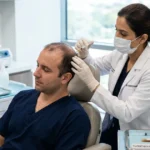
Considering a FUT hair transplant? Book a consultation with our specialists in Islamabad today to ensure a smooth and successful recovery after your hair transplant. Our experienced team is here to guide you every step of the way, from the procedure to post-surgery care.