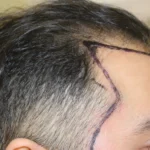
What does FUT stand for in hair transplant work? FUT, or Follicular Unit Transplantation, is a hair restoration technique where a strip of scalp is removed from the donor area, dissected into individual follicular units, and transplanted to areas of hair loss.
It provides a high graft yield and natural-looking results, making it ideal for those with significant hair loss. The procedure involves a longer recovery time compared to other methods like FUE.
Introduction
If you’re considering hair restoration, you might have come across the term FUT (Follicular Unit Transplantation). This method, also known as the strip method, involves removing a strip of scalp tissue from the back of the head, dissecting it into individual follicular units, and transplanting them to areas of hair loss.
FUT has been a reliable technique in the field of hair restoration for many years, offering natural-looking results and high graft yields. In this article, we’ll explain what FUT is, how it works, and the key considerations for deciding if it’s the right choice for you.
What Is FUT (Follicular Unit Transplantation)?
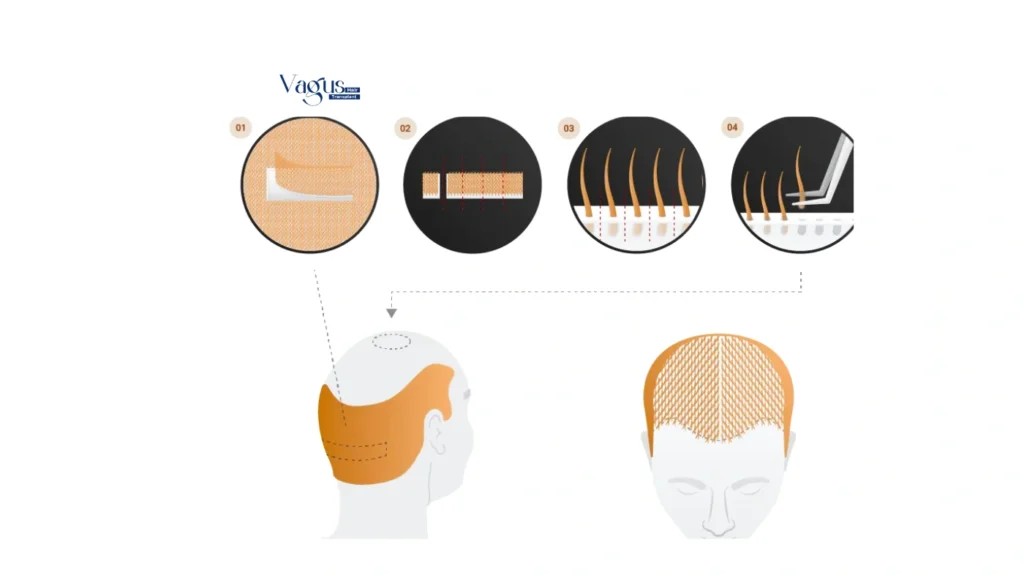
Follicular Unit Transplantation (FUT) is a surgical hair restoration technique that involves the removal of a strip of scalp from the donor area, typically the back of the head. This strip of tissue is then carefully dissected into individual follicular units, each containing 1-4 hairs. These grafts are then transplanted into areas of thinning or baldness.
How the Procedure Works
- Preparation and Anesthesia: Local anesthesia is administered to numb the donor and recipient areas.
- Harvesting the Strip: A strip of scalp is surgically removed from the donor site, usually from the back of the head, where hair is most resistant to balding.
- Dissection: The harvested tissue is meticulously divided under a microscope into individual follicular units.
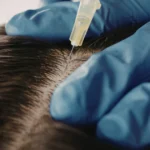
- Transplanting: Tiny recipient sites are created in the bald or thinning areas, and the grafts are implanted one by one.
Advantages of FUT
- Higher graft yield: FUT allows for a higher number of grafts to be transplanted in a single session, making it ideal for those with advanced hair loss.
- Natural results: When performed by an experienced surgeon, FUT produces results that blend seamlessly with the natural hairline.
- Long-lasting effects: Hair transplanted via FUT is typically permanent, as it comes from areas of the scalp resistant to DHT, the hormone responsible for hair loss.
Comparing FUT and FUE: Which Is Right for You?
While FUT remains a popular choice for many, FUE (Follicular Unit Extraction) is another hair transplant method that has gained popularity in recent years. Understanding the differences between these two techniques can help you make an informed decision.
FUT (Follicular Unit Transplantation)
- Method: Involves removing a strip of scalp and dissecting it into individual follicles.
- Scarring: Leaves a linear scar at the donor site.
- Graft yield: Typically allows for a higher number of grafts in one session.
- Recovery time: Generally longer than FUE due to the invasive nature of the procedure.
FUE (Follicular Unit Extraction)
- Method: Involves extracting individual hair follicles directly from the donor area.
- Scarring: Leaves tiny, dot-like scars scattered throughout the donor area.
- Graft yield: May require multiple sessions for large areas of hair loss.
- Recovery time: Typically shorter than FUT, as there’s less tissue removed.
Choosing the Right Procedure
When deciding between FUT and FUE, consider factors like the extent of your hair loss, the condition of your donor hair, and the type of scarring you’re comfortable with. FUT is typically more suitable for patients with significant hair loss who require a larger number of grafts in one session. FUE, on the other hand, may be preferred by those looking for a less invasive procedure with minimal scarring.
Who Is a Good Candidate for FUT?
Not everyone is suitable for FUT. Ideal candidates are typically those who:
- Have significant hair loss: FUT is particularly effective for those with advanced hair loss who need a large number of grafts in a single session.
- Have healthy donor hair: The success of FUT depends on the quality of the donor hair, typically found at the back and sides of the scalp. Patients with good donor hair density are more likely to achieve optimal results.
- Are looking for natural results: FUT is ideal for those who seek natural-looking results, as the hairline can be recreated with high precision.
Considerations for FUT Candidates
- Age: While FUT can be performed on individuals of any age, younger patients may be at risk for continued hair loss in the future, which can affect the long-term results.
- Overall health: A good candidate for FUT should be in general good health, with no underlying conditions that may affect healing or the success of the transplant.
- Realistic expectations: It’s essential for candidates to have realistic expectations about the results. FUT can restore hair density, but it may not fully replicate the hairline that was lost.
What to Expect During and After FUT Surgery
During the Procedure
FUT surgery typically takes 4 to 8 hours, depending on the number of grafts required. The patient is awake throughout the procedure but is under local anesthesia to ensure no pain. Most patients can go home the same day.
Post-Operative Care
After the procedure, it’s important to follow your surgeon’s instructions to ensure proper healing. This includes:
- Medications: Pain medications and antibiotics to prevent infection.
- Avoiding strenuous activity: Physical activity should be avoided for at least two weeks after surgery to prevent strain on the scalp and grafts.
- Hair washing and care: Specific instructions will be given on how to care for your newly transplanted hair in the initial days after surgery.
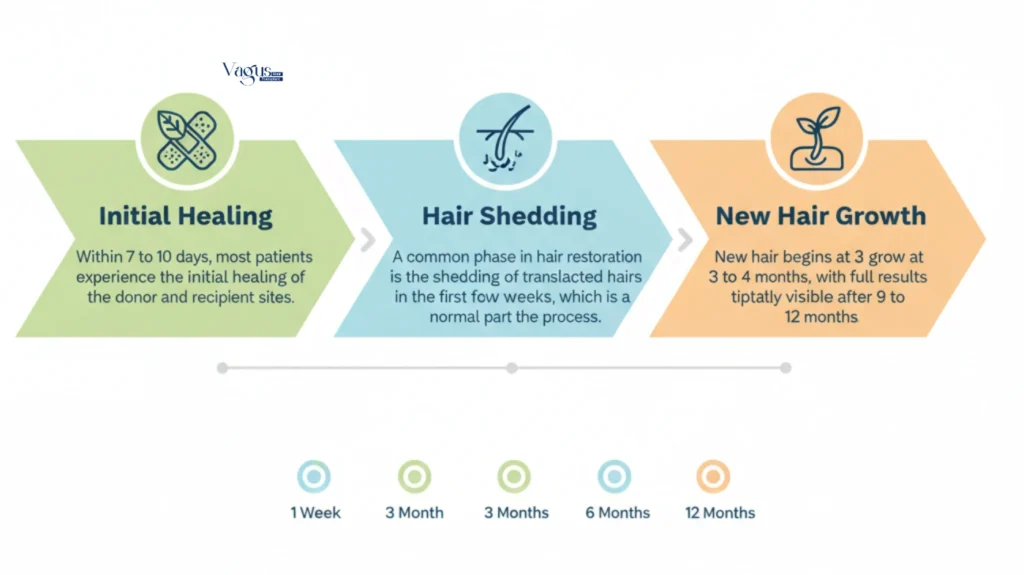
Recovery Timeline
- Initial healing: Within 7 to 10 days, most patients experience the initial healing of the donor and recipient sites.
- Hair shedding: A common phase in hair restoration is the shedding of transplanted hairs in the first few weeks, which is a normal part of the process.
- New hair growth: New hair begins to grow at 3 to 4 months, with full results typically visible after 9 to 12 months.
Potential Risks and Side Effects of FUT
While FUT is a generally safe procedure, there are potential risks and side effects to be aware of:
- Common side effects: These include swelling, redness, and minor discomfort at the donor and recipient sites.
- Rare complications: Infections, excessive scarring, and poor graft growth are less common but can occur.
- Managing risks: To minimize risks, choose a qualified and experienced surgeon. Following aftercare instructions diligently is crucial for a smooth recovery.
Frequently Asked Questions (FAQs)
How long does the FUT procedure take?
Typically, the procedure lasts 4 to 8 hours, depending on the number of grafts.
Will I have a visible scar after FUT?
Yes, a linear scar will be left at the donor site, but it’s usually well-hidden by surrounding hair.
How many grafts can be transplanted in a single FUT session?
FUT allows for the transplantation of more than 3,000 grafts in one session, making it ideal for patients with significant hair loss.
Is FUT suitable for women?
Yes, women with sufficient donor hair density can also benefit from FUT.
Can FUT be combined with other hair restoration treatments?
Yes, FUT can be combined with treatments like PRP (Platelet-Rich Plasma) therapy to enhance the results.
Next Step
FUT remains a highly effective method of hair restoration, particularly for those who require a large number of grafts in a single session. Understanding the procedure, potential risks, and recovery process is essential for anyone considering a hair transplant.
If you’re looking to restore a fuller, natural-looking hairline, FUT may be the right choice for you. Consult with a qualified surgeon to determine your candidacy and develop a personalized treatment plan.
Considering a hair transplant? Book a consultation with our expert team today to discuss your options and start your journey toward a fuller, more confident you