Hair transplants are primarily known for addressing hair loss, but can they help with grey hair as well? In this article, we explore whether hair transplants can assist with restoring natural hair colour and discuss emerging medical treatments for grey hair. If you’ve been asking, “Is there any medical treatment for grey hair?” and are looking for viable options to reverse or manage the greying process, this blog will provide expert insights and solutions to consider.
Introduction
When it comes to hair restoration, the first thing that comes to mind is often hair transplants. However, many people are also wondering, “Is there any medical treatment for grey hair?” While hair transplants primarily focus on restoring lost hair, there’s growing interest in whether they can help restore natural hair color. In this article, we’ll examine how medical advancements, including hair restoration techniques, can address grey hair and whether hair transplants can help with grey hair.
While hair loss can be effectively treated with transplants, the question of whether medical treatments can reverse grey hair is a bit more complex. Let’s dive into the science behind grey hair, current treatments, and the potential future solutions available.
What Causes Grey Hair?
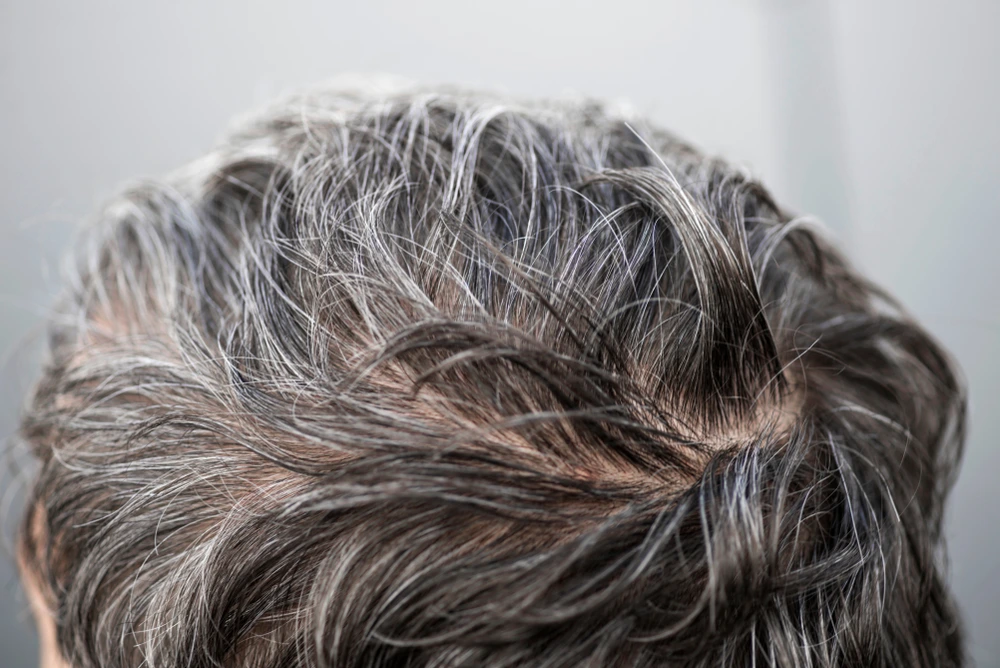
Before we explore the potential solutions, it’s important to understand what causes hair to turn grey in the first place. Grey hair occurs when the melanin (pigment) in your hair follicles decreases as you age. This natural aging process is influenced by genetics, and environmental factors like stress, diet, and lifestyle choices can also play a role.
Although grey hair is a part of ageing, it’s not something that everyone accepts. That’s where medical treatments come in. Today, more and more people are seeking ways to not only reverse hair loss but also address grey hair. But can medical treatments really bring back your natural hair colour?
Can Hair Transplants Help with Grey Hair?
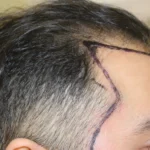
Hair transplants are highly effective for restoring hair volume and coverage, but unfortunately, they don’t directly address the issue of grey hair. During a hair transplant, hair follicles are harvested from areas resistant to hair loss, usually from the back of your head, and transplanted to thinning or bald areas. These new follicles grow hair, but they are not immune to the natural ageing process, which means they will eventually grey just like the rest of your hair.
So, can hair transplants help with grey hair? While hair transplants don’t reverse the greying process, they can provide a solution to hair loss by restoring volume and density. If you’re looking for both coverage and colour restoration, you might consider pairing hair transplants with other medical treatments.
Exploring Medical Treatments for Grey Hair
Melanin-Replenishing Treatments
Melanin is the pigment responsible for your hair’s colour, and as we age, our hair follicles produce less of it. Some emerging medical treatments aim to stimulate the production of melanin. While still experimental, treatments like oral supplements and topical creams are showing promise in replenishing melanin, potentially delaying or even reversing grey hair in some individuals.
PRP (Platelet-Rich Plasma) Therapy
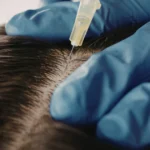
PRP therapy is a popular hair restoration treatment that involves extracting platelets from your own blood and injecting them into your scalp. The idea is that the growth factors in the platelets can stimulate hair follicles and promote hair growth. Although the primary goal is to combat hair thinning, some studies suggest that PRP could also improve pigmentation, potentially helping with grey hair.
Stem Cell Therapy
Stem cell therapy is an emerging field with great potential for hair restoration and pigmentation. The theory behind this treatment is that stem cells could be used to regenerate hair follicles and potentially restore melanin production. While it’s still in the research phase, stem cell therapy may become a game-changer for those seeking to reverse grey hair in the future.
Hair Dyes and Natural Alternatives
For those who aren’t looking for medical solutions, hair dye remains the most popular and effective method for covering grey hair. Natural alternatives, such as henna or coconut oil, can also be used to enhance the appearance of grey hair, though they do not reverse the greying process.
Is Grey Hair Reversible with Medical Treatments?
As of now, there is no definitive medical treatment that can completely stop or reverse grey hair. However, medical treatments for grey hair, including PRP therapy, melanin-replenishing drugs, and stem cell therapy, are making significant progress and may offer viable solutions in the future.
While hair transplants help restore lost hair, they don’t address the underlying cause of grey hair. If you’re looking to maintain or restore your natural hair colour, combining hair restoration with other treatments may be the most effective strategy.
For more information on how hair transplants can help with grey hair, check out this page: Hair Transplants for Grey Hair.
Conclusion
Is there any medical treatment for grey hair? While there is no cure yet, exciting developments in medical science offer hope for the future. Hair transplants can restore volume, but they don’t prevent or reverse greying. Combining these with treatments like PRP therapy or melanin-restoring therapies might provide a more comprehensive solution for those looking to restore both their hair and its colour.
As research continues and new treatments emerge, the possibility of reversing or slowing down grey hair may become a reality. Until then, it’s important to explore your options and choose the treatments that work best for you.
FAQs
1. Can Hair Transplants Restore Natural Hair Color?
While hair transplants can restore volume and thickness, they do not reverse grey hair. The transplanted hair will eventually turn grey, as it is still subject to the natural aging process.
2. Is There Any Medical Treatment to Reverse Grey Hair?
There are no permanent treatments yet, but options like melanin-replenishing therapies, PRP, and stem cell treatments are being researched to help with grey hair reversal.
3. How Effective is PRP Therapy for Grey Hair?
PRP therapy is primarily used for hair regrowth but may have some benefits for grey hair. While the results vary, PRP is shown to help improve overall hair health and could potentially help with pigmentation over time.
4. Are There Any Natural Treatments for Grey Hair?
Natural treatments like henna and coconut oil are used to mask grey hair but do not reverse it. They can improve the appearance of grey hair, but they are not permanent solutions.
5. What Are the Best Solutions for Grey Hair?
Currently, hair dye remains the best option for those looking to cover grey hair. PRP therapy and stem cell therapy offer potential, but further research is needed for definitive results.