When someone searches for “What is Scalp Micropigmentation?” they want to learn about this non-invasive hair restoration treatment. This guide will explain how scalp micropigmentation works, its benefits, who it’s suitable for, and how it compares to other treatments. We’ll also explore its cost, healing process, and expected results. This blog is your complete resource for understanding scalp micropigmentation for hair loss and its growing popularity.
Introduction
If you’ve been looking for a way to restore your hairline or improve the appearance of thinning hair, you’ve likely come across scalp micropigmentation. But what exactly is scalp micropigmentation? It’s a non-invasive treatment that uses specialized pigments to create the appearance of fuller, thicker hair. The procedure is gaining popularity because it’s fast, effective, and requires no surgery.
In this article, we’ll explain what scalp micropigmentation is, how it works, its benefits, and who it’s for. We’ll also compare it to other popular hair restoration treatments like hair transplants and provide answers to common questions.
What is Scalp Micropigmentation?
Scalp micropigmentation (SMP) is a procedure where small, tattoo-like pigment deposits are applied to the scalp to mimic the appearance of hair follicles. This creates the illusion of a fuller head of hair, even in areas where hair is thinning or missing.
It’s an ideal option for people looking to enhance their hairline or cover bald spots without undergoing surgery. Whether you’re dealing with male-pattern baldness, alopecia, or want to improve the density of your hair, SMP can provide a natural, lasting solution.
How Does Scalp Micropigmentation Work?
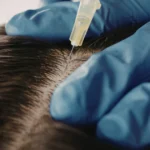
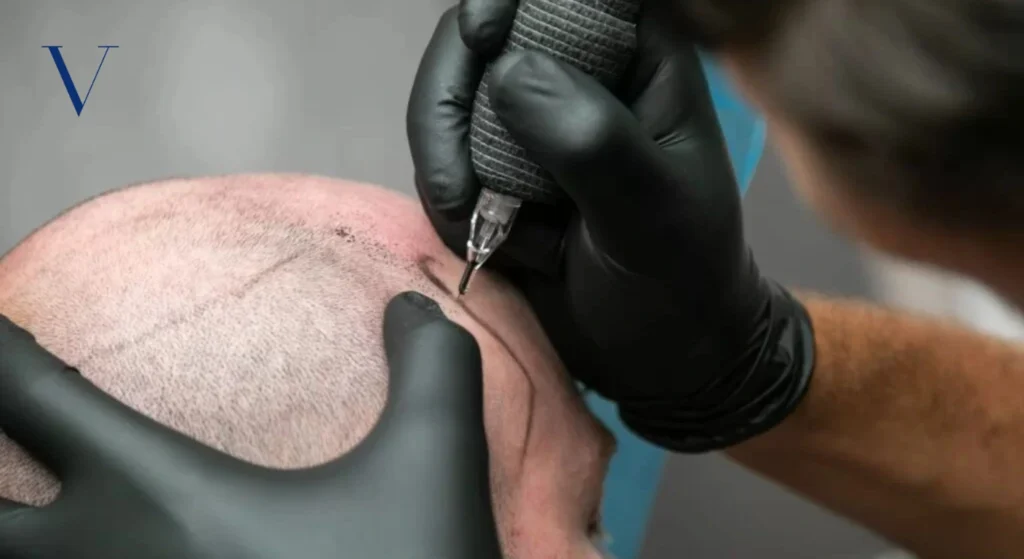
The procedure involves using a fine needle to apply specialized pigment into the scalp. The process creates tiny dots that resemble hair follicles, giving the illusion of a fuller hairline or thicker hair. Here’s a breakdown of how it works:
Consultation
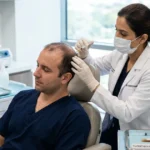
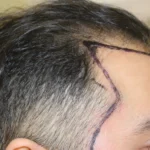
During your consultation, the technician will assess your scalp and discuss your goals. They’ll determine the right pigment shade and design that will best match your natural hair and skin tone.
Procedure
The technician will carefully apply the pigment to targeted areas on the scalp. Each session usually lasts 2-4 hours, and the number of sessions needed depends on the extent of hair loss and desired results.
Healing
The healing process is relatively quick, with most people returning to their normal activities right after the procedure. You may experience slight redness or scabbing, but this should subside within a few days.
Who is Scalp Micropigmentation For?
Scalp micropigmentation is suitable for anyone experiencing hair loss, including:
- Men with male-pattern baldness
- Women with thinning hair
- People with alopecia or other hair loss conditions
- Individuals who want to cover scarring from past hair transplants
Whether you want to create a defined hairline, add density to thinning hair, or cover bald spots, SMP can be customized to your needs.
Scalp Micropigmentation vs. Hair Transplant: Which Is Better?
When comparing scalp micropigmentation and hair transplants, each treatment has its advantages. Here’s a quick comparison to help you decide:
| Feature | Scalp Micropigmentation | Hair Transplant |
| Invasiveness | Non-invasive, no surgery | Invasive, requires surgery |
| Recovery Time | Minimal, quick healing | Several weeks of recovery |
| Results | Immediate, natural-looking | Takes months to see full results |
| Cost | More affordable | More expensive |
| Longevity | lasts 3-5 years with touch-ups. | Permanent, but requires maintenance. |
For many, scalp micropigmentation is the more affordable, immediate solution, while a hair transplant offers permanent results but requires a longer recovery time and higher cost.
Scalp Micropigmentation Results: What to Expect
The results of scalp micropigmentation are immediate. After the first session, you’ll notice a fuller, more defined hairline. The pigment used is carefully matched to the color of your natural hair, ensuring a realistic appearance.
While the results are long-lasting (typically 3-5 years), you may need touch-ups to maintain the vibrancy and density of the pigment. Regular maintenance will help keep your scalp looking fresh.
Scalp Micropigmentation Healing Process
One of the best things about scalp micropigmentation is the quick healing process. Most people can return to their daily routine immediately after the procedure. Here are a few aftercare tips:
- Avoid sun exposure for the first 2 weeks to prevent fading.
- Refrain from washing your scalp for 24-48 hours.
- Use a gentle, non-irritating shampoo after the healing period.
The healing process typically takes 7-10 days, during which any redness or minor scabbing will fade.
Scalp Micropigmentation Before and After: Real-Life Transformations
The before and after results of scalp micropigmentation can be truly transformative. Many people report feeling more confident with their new look, especially if they’ve struggled with thinning or bald spots for years. The procedure not only enhances the appearance of hair but can also boost your self-esteem by giving you a more youthful and defined hairline.
How Scalp Micropigmentation Works: A Detailed Explanation
The technique behind scalp micropigmentation is simple but precise. During the procedure, the technician uses a special device with a fine needle to apply pigment into the dermal layer of the scalp. The pigment is strategically placed to resemble the natural appearance of hair follicles.
The results are realistic, blending seamlessly with your existing hair to create a natural-looking finish. This technique is especially beneficial for those with short or shaved hair, as it mimics the appearance of a closely-cropped hairstyle.
Scalp Micropigmentation Pain: What to Expect
Many people wonder whether scalp micropigmentation is painful. Generally, the procedure is well-tolerated, with most clients describing it as a slight tingling or light scratching sensation on the scalp. To ensure your comfort, a numbing cream is often applied to the treatment area before the procedure begins.
If you’re considering scalp micropigmentation as a solution for hair loss, it’s essential to understand how it compares to other treatments like hair transplants. While scalp micropigmentation provides immediate results with minimal downtime, a hair transplant offers permanent hair restoration. For those who are interested in exploring both options, Vagus Hair Transplant offers comprehensive consultations and expert services in hair restoration. Their team can help you determine whether SMP or a hair transplant is the right solution for you.
Final Thoughts
Scalp micropigmentation is a powerful, non-invasive solution for hair loss that delivers immediate, natural-looking results. Whether you’re looking to enhance your hairline or cover thinning areas, SMP provides an effective alternative to more invasive treatments like hair transplants. The procedure is safe, quick, and requires minimal downtime, making it a popular choice for those seeking a fuller, more youthful appearance.
If you’re considering this treatment, be sure to consult with a certified technician at a reputable clinic to get the best results. Scalp micropigmentation for hair loss could be the confidence boost you need!
Frequently Asked Questions
1. How long does scalp micropigmentation last?
Scalp micropigmentation can last 3-5 years, with touch-ups needed to maintain the color and density.
2. Is scalp micropigmentation safe?
Yes, SMP is a safe procedure when performed by a certified and experienced technician.
3. Can scalp micropigmentation help with scars?
Yes, SMP can effectively cover scars from previous hair transplants or injuries, providing a smooth and even appearance.
4. How soon can I return to normal activities?
You can return to most activities immediately, but it’s best to avoid intense physical activity and direct sun exposure for a few days.