Scalp Micropigmentation (SMP) offers a long-lasting solution to hair loss, but understanding its lifespan is critical when considering the treatment. On average, SMP lasts between 4 to 6 years, though the longevity can be influenced by factors such as skin type, sun exposure, lifestyle habits, and aftercare. This guide will provide an in-depth look at how long SMP lasts, what factors affect its duration, and effective maintenance strategies to extend its results.
SMP is a semi-permanent treatment, and while it provides a long-term solution for individuals seeking to address hair loss, it requires some ongoing maintenance.
What Is Scalp Micropigmentation (SMP)?
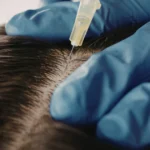
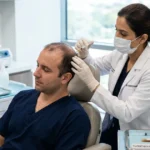
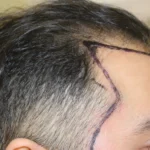
Scalp Micropigmentation (SMP) is an advanced cosmetic procedure that uses specialised pigments to create the illusion of thicker hair. Tiny dots are applied to the scalp to replicate natural hair follicles, improving the appearance of individuals with thinning hair, male pattern baldness, or even scarring from previous hair transplants. The treatment can be customised to match your natural hairline and desired fullness.
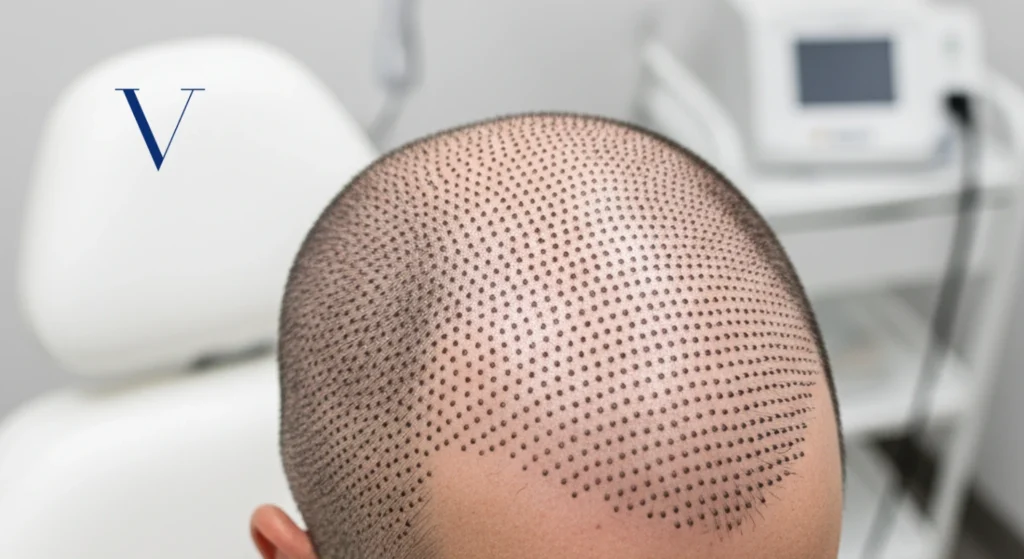
Unlike hair restoration surgery, SMP is non-invasive and requires no downtime, making it a highly popular choice for those seeking a quick, effective, and lasting solution for hair loss. The results of SMP are immediately visible, and with proper care, the appearance can remain natural and vibrant for several years.
How Long Does Scalp Micropigmentation Last?
The general consensus is that scalp micropigmentation lasts between 4 to 6 years before noticeable fading occurs. However, the exact duration varies depending on several factors. While SMP fading is an inevitable part of the treatment, it does not mean the results will completely disappear. Rather, the pigment will gradually lighten, and the scalp may require touch-ups to restore its original vibrancy.
It is important to remember that SMP is not permanent. Over time, the body naturally sheds skin cells, and this, combined with external factors like sun exposure, can cause the pigment to fade. However, with proper care and maintenance, you can enjoy the benefits of a full, natural-looking scalp for years.
Factors That Affect SMP Longevity
Skin Type and Health
One of the key factors influencing SMP lifespan is your skin type. Oily skin tends to break down the pigment more quickly, causing the SMP to fade faster than on individuals with dry or normal skin. Oily skin produces more sebum, which can cause the pigment to blur and fade prematurely. Conversely, those with dry skin may find that the pigment holds better over time. Additionally, skin conditions such as eczema or psoriasis can also impact how the pigment settles.
Sun Exposure
UV exposure is one of the most significant external factors contributing to SMP fading. The Sun’s rays break down the pigment, causing it to fade faster. Over time, excessive sun exposure can result in a noticeable reduction in the quality of your SMP. To mitigate this, it is highly recommended to use sunscreen on the scalp or wear a hat when outdoors. Avoiding direct sunlight during peak hours can also help protect your treatment.
Aftercare and Maintenance
Proper scalp micropigmentation aftercare is crucial to the longevity of your results. After the procedure, your scalp will need time to heal. During the healing phase, you should avoid washing your scalp frequently and refrain from exposing the treated area to water for several days. Additionally, scalp micropigmentation healing is an essential process that requires careful attention to ensure that the pigments settle correctly. Using gentle skincare products, avoiding scrubbing, and refraining from excessive sweating in the initial weeks will ensure that your SMP lasts longer.
Lifestyle and Habits
A healthy lifestyle is equally important when it comes to maintaining your SMP results. Smoking, excessive alcohol consumption, and poor diet can negatively affect your skin’s ability to retain pigment. Moreover, regular exercise can cause excessive sweating, which can contribute to the breakdown of pigments. Maintaining good hygiene and keeping your scalp clean is essential, as the build-up of oils or dirt can impact the appearance of your SMP.
How to Make SMP Last Longer: Essential Tips
To maximize the lifespan of your scalp micropigmentation, here are some professional tips for extending the results:
Follow Aftercare Instructions Carefully
Immediately following the procedure, adhere to the aftercare instructions provided by your SMP practitioner. These will typically include avoiding excessive water exposure, refraining from touching or scratching the treated area, and limiting physical activity that causes sweating.
Protect Your Scalp from the Sun
As mentioned earlier, sun exposure can cause the pigment to break down, so it is vital to protect your scalp. Wearing a hat or applying sunscreen designed for the scalp is essential to preserving the integrity of your SMP.
Use Gentle, Sulfate-Free Products
When washing your scalp, always use gentle, sulfate-free shampoos. Harsh chemicals can strip the pigment and cause it to fade prematurely. Look for products that are free from alcohol and other irritants.
Regular Touch-Ups
Even with proper care, SMP fading is inevitable. To maintain your results, touch-ups every 12 to 18 months are recommended. A touch-up will refresh the pigment and restore the fullness of your scalp.
The Scalp Micropigmentation Healing Process
After your SMP procedure, your scalp will go through several stages of healing. In the first few days, you may experience redness and slight scabbing. These are natural responses as the pigment settles into the skin. By day 5 to 7, the scabbing should begin to fall off, and the pigment will appear softer and more natural. Full healing, including the settling of the pigment, can take up to 4 weeks.
To support the healing process, avoid sun exposure, refrain from scrubbing your scalp, and follow the aftercare instructions precisely.
Is Scalp Micropigmentation Permanent?
While scalp micropigmentation offers long-lasting results, it is not a permanent solution. Over the years, natural skin processes such as exfoliation and cell regeneration will gradually cause the pigment to fade. However, with proper maintenance, SMP can last for up to 6 years, and with regular touch-ups, you can keep your results looking fresh and natural for a significant period.
Final Thoughts
In conclusion, how long does scalp micropigmentation last? On average, SMP can last between 4 to 6 years, with regular touch-ups recommended to keep the results looking fresh. Factors like skin type, sun exposure, and aftercare all play a significant role in determining the longevity of your treatment. By following professional maintenance tips, protecting your scalp from the Sun, and scheduling touch-ups as needed, you can enjoy natural, vibrant results for years.
If you’re considering micropigmentation for hair loss, it’s essential to maintain proper aftercare and make lifestyle adjustments to ensure the treatment’s longevity.
For more details or to schedule your consultation, visit Vagus Hair Transplant in Islamabad.
Frequently Asked Questions
1. How often should I get a touch-up for SMP?
Touch-ups are typically required every 12 to 18 months, depending on how well you maintain your scalp and the rate at which the pigment fades.
2. Can I speed up the healing process for SMP?
While you can’t accelerate the healing process, you can ensure smoother and faster recovery by following aftercare instructions, staying hydrated, and avoiding sun exposure.
3. Does SMP look natural as it fades?
As SMP fades, the pigment will lighten gradually. However, with proper care and touch-ups, it will continue to look natural even as it ages.