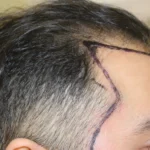
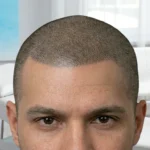
Does Scalp Micropigmentation Hurt? This is one of the most common questions for anyone considering scalp micropigmentation (SMP), a popular treatment for hair loss. The procedure involves tattooing small, hair-like pigments on the scalp to mimic the look of a fuller head of hair. But just how much pain is involved?
When considering scalp micropigmentation (SMP), one of the first questions many people have is, “Does scalp micropigmentation hurt?” The procedure is relatively painless for most people, but discomfort can vary depending on pain tolerance and the area treated. This article will explore what to expect during the procedure, the pain levels, and how to manage any discomfort.
For most people, scalp micropigmentation is not considered a painful experience. In fact, most clients report mild discomfort rather than pain. However, pain levels can vary depending on a variety of factors, including the area of the scalp being treated and an individual’s personal pain threshold. In this article, we will take an in-depth look at the pain involved in SMP, what you can expect during the procedure, and how to minimize discomfort.
What Does Scalp Micropigmentation Feel Like?
Pain Level and Sensitivity
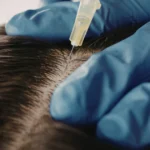
Scalp micropigmentation involves a series of small, controlled needles injecting pigment into the skin. Most people describe the sensation as mild to moderate discomfort, similar to a light scratching or tapping sensation on the scalp. For areas with more bone or less skin, discomfort may be slightly higher.
Factors That Affect Pain
- Pain Tolerance: Some people find the procedure uncomfortable, while others experience little to no pain.
- Scalp Area: The hairline and other sensitive areas, like near the temples, may be more painful than the rest of the scalp.
- Clinic Techniques: Professional SMP practitioners use numbing agents that can reduce any potential pain significantly.
What to Expect During the SMP Procedure
Pain Level and Sensitivity:
Scalp micropigmentation involves a series of small, controlled needles injecting pigment into the skin. Most people describe the sensation as mild to moderate discomfort, similar to a light scratching or tapping sensation on the scalp. For areas with more bone or less skin, discomfort may be slightly higher.
Factors That Affect Pain:
Pain tolerance varies from person to person. Some may find the procedure uncomfortable, while others may experience little to no pain. The scalp area also plays a role in pain levels, treatments around the hairline and more sensitive areas like near the temples may cause more discomfort. Additionally, the skill of the SMP practitioner and the use of numbing agents can help minimize any discomfort.
What to Expect During the SMP Procedure
Before the Treatment:
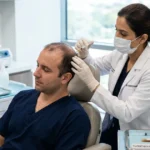
Most clinics offer a numbing cream that is applied to the scalp to minimize pain. During your consultation, you’ll discuss your pain tolerance and your desired results.
During the Treatment:
The procedure typically lasts between 2-4 hours, depending on the size of the area being treated. The practitioner will use a microneedle to create tiny dots on the scalp, layering pigment to achieve a natural look.
Post-Treatment:
After the procedure, you may experience mild redness or swelling, which usually goes away after a few hours. The healing process takes about 4-7 days, during which you may feel slight tenderness in the treated areas.
Scalp Micropigmentation Aftercare: How to Minimize Discomfort
It is important to avoid scratching or touching the treated area during the healing process to prevent irritation or infection. After the initial healing period, it is recommended to use a gentle, sulfate-free shampoo to clean the treated area and avoid harsh chemicals that could irritate the skin. Protect your scalp from the sun by applying sunscreen or wearing a hat, as SMP fading is often caused by sun exposure.
How Long Does Scalp Micropigmentation Last?
SMP Lifespan:
Scalp micropigmentation typically lasts between 4 to 6 years, depending on the skin type, lifestyle, and aftercare practices. Over time, the pigment will naturally fade, but regular touch-ups can help maintain the results.
Factors That Influence SMP Longevity:
- Skin Type: Oily skin may cause the pigment to fade faster.
- Sun Exposure: UV rays can accelerate fading.
- Aftercare: Proper care can extend the longevity of your SMP treatment.
SMP Maintenance Tips
Even though SMP is long-lasting, touch-ups every 12-18 months will help keep your scalp looking fresh and prevent fading. Avoid using products with harsh chemicals that may damage the pigment or skin and opt for mild, hydrating skincare options. Staying hydrated is also important as drinking plenty of water helps your skin stay healthy, which can promote better healing and pigment retention.
Final Thoughts:
Scalp micropigmentation is generally not a painful procedure, with many people experiencing only mild discomfort during the treatment. With the right aftercare and a skilled technician, you can achieve long-lasting, natural-looking results with minimal discomfort. If you’re considering SMP, make sure to choose a reputable clinic and follow proper aftercare to ensure the best possible outcome.
If you’re interested in scalp micropigmentation and want to learn more about the procedure, cost, or treatment options, don’t hesitate to reach out to the best SMP clinics in Pakistan for a consultation. Let us help you restore your hairline and regain confidence today!
FAQs About Scalp Micropigmentation Pain and Procedure
1: Does scalp micropigmentation hurt a lot?
No, most people find scalp micropigmentation to be a mild discomfort, similar to scratching. However, pain levels vary based on individual tolerance and the area being treated.
2: How long does the pain from scalp micropigmentation last?
Any discomfort usually lasts only during the procedure. Post-treatment tenderness typically goes away after a few hours.
3: Is there a risk of infection after scalp micropigmentation?
Infection is rare but can occur if proper aftercare is not followed. It’s essential to avoid touching the treated area and use clean, non-irritating products.
4: How can I make the scalp micropigmentation process more comfortable?
Many clinics apply a numbing cream before starting the procedure. If you’re concerned about discomfort, speak with your practitioner about pain management options.
5: How long does scalp micropigmentation take to heal?
SMP healing time typically takes about 4-7 days. During this period, it’s important to avoid sweat and exposure to water or direct sunlight.