If you’re dealing with thinning hair, you might wonder, “Can a dermatologist help with thinning hair?“ The good news is that dermatologists are essential in diagnosing and treating hair thinning. From medications to advanced procedures, they provide personalized treatments that can manage and, in some cases, even reverse hair loss. This article will explore how dermatologists can help with thinning hair, the treatments they commonly recommend, and when it’s the right time to seek professional help for your hair concerns.
What Causes Thinning Hair?
Whether your thinning hair is due to genetics, hormonal imbalances, or environmental factors, dermatologists have the expertise to diagnose the underlying cause and recommend the best course of action.
Hair thinning is a common concern that affects both men and women, and it often requires a more personalized approach than over-the-counter treatments can provide. Dermatologist treatments for hair thinning can vary depending on the cause, but options like Minoxidil, hair transplants, and PRP therapy have shown promising results. In this article, we’ll explore how dermatologists can help you manage thinning hair and discuss the latest treatment options.
Understanding the root cause of hair thinning is the first step in finding an effective treatment. Dermatologists are skilled in identifying the various factors that contribute to hair thinning.
Common Causes of Thinning Hair
Genetics: Hereditary hair loss, known as androgenetic alopecia, is the most common cause.
Hormonal Changes: Pregnancy, menopause, or thyroid issues can lead to thinning hair.
Stress and Lifestyle Factors: Stress, poor diet, and lack of sleep can also trigger hair thinning.
Medical Conditions: Conditions like alopecia areata or scalp infections may cause significant hair loss.
Is Thinning Hair Permanent?
Not necessarily. With early intervention, many people can slow or stop further hair thinning. Dermatologists use various treatments to either manage or reverse thinning hair, depending on its cause.
How Can a Dermatologist Help with Thinning Hair?
Dermatologist Consultation for Hair Loss
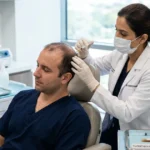
A dermatologist consultation for hair loss involves a thorough examination of your scalp and hair. Dermatologists will ask about your medical history and may run tests to pinpoint the cause of your hair thinning. This allows them to recommend the most effective treatment plan.
Can Dermatologists Reverse Hair Thinning?
In many cases, dermatologists can reverse hair thinning or significantly slow its progression. The key to success is early detection. Through professional-grade treatments like Minoxidil or PRP therapy, dermatologists can stimulate hair regrowth and strengthen existing hair.
Professional Help for Thinning Hair: Treatment Options
Minoxidil: The most widely used over-the-counter solution for hair regrowth.
Finasteride: A prescription pill that’s commonly used to treat male pattern baldness.
Hair Transplants: A more permanent solution for advanced cases of thinning hair.
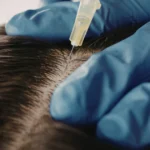
Platelet-Rich Plasma (PRP) Therapy: A treatment where your own blood plasma is injected into the scalp to promote hair regrowth.
Low-Level Laser Therapy (LLLT): Uses light to stimulate hair follicles.
These treatments, when prescribed by a dermatologist, can yield positive results, often regrowing hair and preventing further loss.
When Should You See a Dermatologist for Thinning Hair?
Signs It’s Time to Consult a Dermatologist
You may want to consider seeing a dermatologist if:
- Your hair thinning is rapid or you notice bald patches.
- Over-the-counter treatments haven’t worked.
- Your thinning hair is causing you emotional distress.
- You’re unsure about the underlying cause of your thinning hair.
Early intervention can make a significant difference in your treatment options.
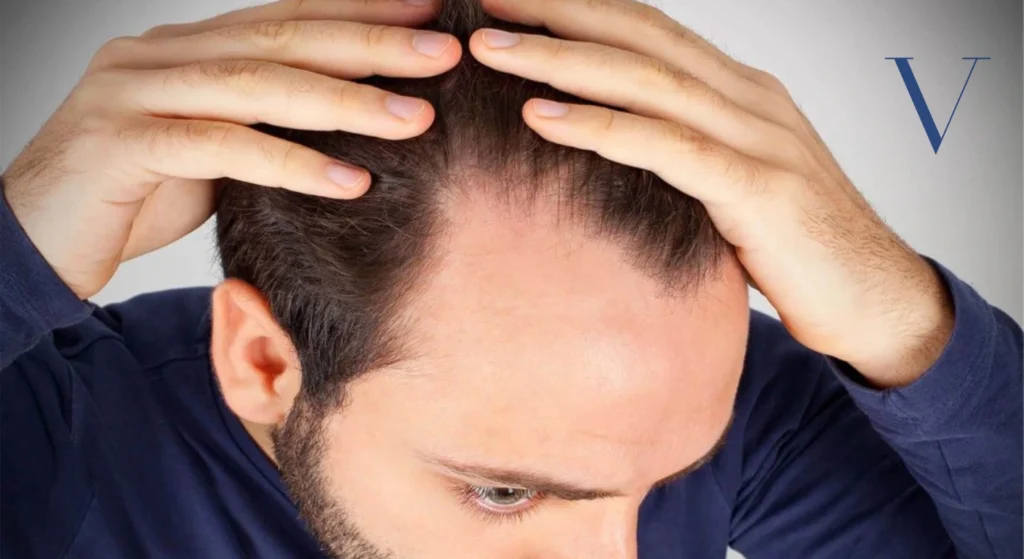
Can a Dermatologist Stop Hair Thinning?
Can dermatologists stop hair thinning? In many cases, yes. While not all hair thinning is reversible, a dermatologist can certainly help prevent further loss. With a tailored treatment plan, they can help manage the condition and even regrow hair, depending on the cause and how early the treatment is started.
Dermatologist Treatments for Men vs. Women
Hair Thinning in Women
For women, hair thinning is often related to hormonal changes, especially during menopause. A dermatologist can recommend treatments like Minoxidil or hormonal therapies to balance your hormones and reduce hair loss.
Hair Thinning in Men
Men typically experience male-pattern baldness, which is often genetic. Dermatologists frequently prescribe treatments like Finasteride or Minoxidil to address this type of hair thinning.
Top Dermatologist-Approved Treatments for Thinning Hair
Effective Solutions for Thinning Hair
Dermatologists offer a range of treatments depending on the severity of your hair thinning:
Minoxidil: Available over-the-counter, this topical solution is effective for many people.
Hair Transplants: A surgical procedure for more advanced hair loss.
PRP Therapy: Non-invasive and uses your blood’s own healing properties to regrow hair.
Finasteride: A prescription medication that blocks DHT, a hormone responsible for hair loss.
Final Thoughts:
In conclusion, dermatologists are the trusted experts when it comes to tackling thinning hair. From proven treatments like Minoxidil and PRP therapy to advanced solutions such as hair transplants, they offer a range of personalized options designed to restore your hair’s health and vitality. If you’re concerned about hair loss, consulting a dermatologist is the first step toward not just healthier hair but also a boost in confidence. By understanding the root causes and the most effective treatments available, you can take control of your hair care journey and move forward with a plan that brings real, lasting results.
At Vagus Hair Transplant, we specialize in offering advanced hair restoration solutions tailored to your unique needs. Our expert dermatologists use the latest techniques, including FUE (Follicular Unit Extraction) and PRP therapy, to ensure natural-looking, long-lasting results. With a focus on personalized care, we help you regain not just your hair, but your confidence, making us your trusted partner in the journey to healthier, fuller hair.
Frequently Asked Questions
How long does it take to see results from dermatological treatments?
You may start to see results within 3-6 months, depending on the treatment. However, patience is key, as hair regrowth takes time.
Are there any side effects of thinning hair treatments?
Side effects are rare but can include scalp irritation with Minoxidil or sexual side effects with Finasteride. Always discuss potential side effects with your dermatologist.
Can thinning hair be completely prevented?
While some degree of hair thinning is natural, dermatologist treatments can slow or stop hair loss, and early intervention is crucial in preventing further thinning.
What is the cost of seeing a dermatologist for thinning hair?
Consultations typically range from $50 to $200, depending on the location. Treatments like PRP therapy or hair transplants can cost more, so it’s important to discuss pricing with your dermatologist upfront.