If you’re noticing changes in your hair and wondering how to tell if your hair is thinning, you’re not alone. For many, it can be difficult to distinguish between normal hair shedding and the early signs of hair thinning. Identifying these signs early is crucial for preventing further hair loss and taking corrective action. In this article, we’ll explore 10 early signs of hair thinning that you shouldn’t ignore. From increased shedding to noticeable changes in texture and a more visible scalp, recognising these symptoms early on can help you address hair thinning before it worsens. Whether you’re dealing with male or female hair thinning, understanding these signs is the first step toward maintaining healthy, fuller hair. By the end of this article, you’ll have a clearer understanding of how to tell if your hair is thinning naturally and the next steps you can take to restore its health.
1. Noticeable Hair Shedding While Brushing or Shampooing
What to Look For:
It’s normal to lose around 50–100 hairs a day, but if you’re seeing more than that while brushing or washing your hair, it could be a sign of thinning. Pay attention to the amount of hair that comes out during these routines.
What to Do:
If shedding becomes excessive, switch to a gentler hair care routine, avoid harsh shampoos, and consult a dermatologist for advice.
2. Receding Hairline or Thinning at the Temples
Why It Happens:
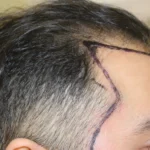
A receding hairline or thinning around the temples is a classic sign of hair thinning, particularly for men but also common in women. This pattern often begins gradually and may not be immediately noticeable.
What to Do:
Consider consulting with a specialist to discuss treatments or hairstyles that help cover thinning areas, and explore options like hair growth serums or minoxidil.
3. Thinning Hair on the Crown
What It Means:
If the hair at the crown of your head appears thinner or flatter than before, it might be a sign of thinning hair. This is often one of the first areas where people experience noticeable thinning, especially in pattern baldness.
What to Do:
Topical treatments like minoxidil or hair thickening sprays can help manage thinning at the crown. A hair transplant might also be an option if the thinning progresses.
4. Increased Hair Breakage or Split Ends
Why It Happens:
Thinning hair is more prone to breakage. If your hair starts breaking more easily, especially at the ends, or you notice more split ends, this is a sign that the hair structure is weakening.
What to Do:
Use nourishing oils or serums, minimize heat styling, and get regular trims to prevent further breakage.
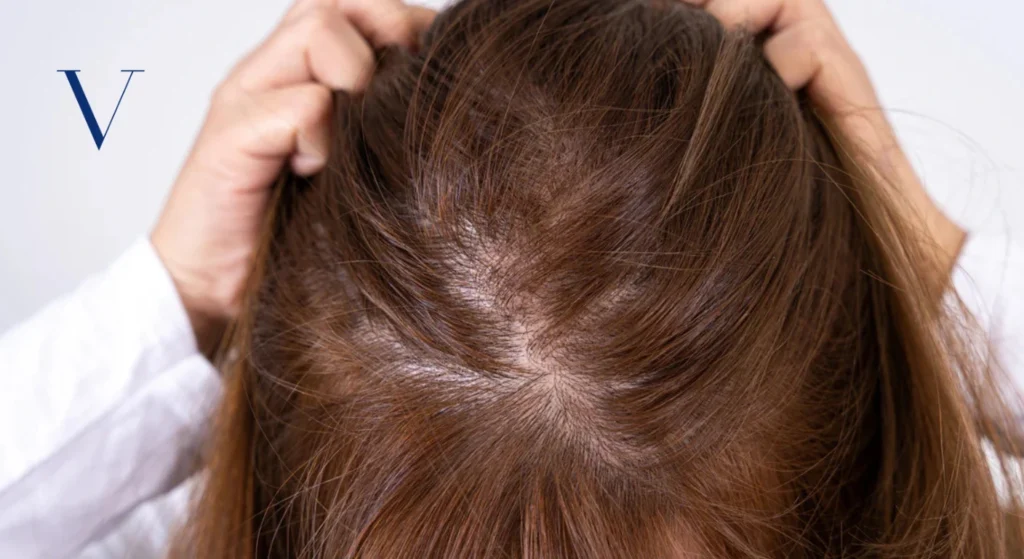
5. Flat Hair That Lacks Volume
What It Means:
When your hair begins to lose volume and feels flat, it’s often an indication of thinning. Fine hair may lack the density it once had, leading to flatness.
What to Do:
Use volumizing shampoos and conditioners designed for thin hair. Also, try texturizing sprays to add fullness without weighing down your hair.
6. More Visible Scalp
What It Means:
As hair thins, the scalp can become more visible, especially when your hair is wet or styled. This is one of the most obvious signs of thinning, often seen in the crown and front of the scalp.
What to Do:
Look for thickening shampoos and conditioners that increase hair density. Hair fibers or thickening sprays can also conceal visible scalp areas temporarily.
7. Changes in Hair Texture
How to Identify:
If your hair starts feeling softer, finer, or more fragile, it could be thinning. This change in texture is often due to decreased hair volume and the thinning of individual hair strands.
What to Do:
Introduce products that help restore hair strength and texture, such as biotin-infused shampoos and conditioners.
8. Slower Hair Growth
What It Means:
If you notice your hair is growing more slowly, it might be a sign of thinning. Slow hair growth can also result from the shedding of older hair without new hair quickly replacing it.
What to Do:
Maintain a healthy diet rich in vitamins like biotin and vitamin E to encourage hair growth. If the issue persists, consult a dermatologist for further advice.
9. Harder to Style or Manage
What It Means:
Thinning hair can often become harder to style and may feel unmanageable. If your hair feels less voluminous and is difficult to maintain, it might be thinning.
What to Do:
Opt for lightweight styling products that won’t weigh down your hair. Dry shampoos and texturizing sprays can also add volume and texture.
10. Bald Patches or Noticeable Thinning Spots
What It Means:
Bald patches or noticeable thinning spots are more advanced signs of hair thinning. These patches may appear gradually, or in some cases, overnight.
What to Do:
If you notice bald spots, it’s important to seek professional help. Hair transplant procedures or laser treatments could be viable solutions.
When Should You Consult a Professional?
If you notice several of these signs, it’s important to seek advice from a dermatologist or hair specialist. Early intervention can help manage the condition before it leads to more severe hair loss.
Final Thoughts:
Identifying early signs of hair thinning is crucial for taking the right steps to preserve your hair’s health and appearance. By recognising symptoms like excessive shedding, changes in texture, or visible scalp, you can intervene early and prevent further hair loss. Whether you opt for at-home treatments or consult a professional like Vagus Hair Transplant, taking action sooner rather than later can help you maintain a fuller, thicker head of hair.
Vagus Hair Transplant in Islamabad: A Professional Solution
For those dealing with significant hair thinning or hair loss, Vagus Hair Transplant in Islamabad offers advanced treatments to restore your hair’s thickness and volume. Specializing in hair restoration procedures, Vagus uses cutting-edge techniques like FUE (Follicular Unit Extraction) and FUT (Follicular Unit Transplantation) to ensure natural-looking results. Whether you’re experiencing early hair thinning or more advanced hair loss, their experienced team can guide you through personalized treatment options to help you regain your confidence and a fuller head of hair.
For more details on Vagus Hair Transplant and how they can assist with your hair restoration needs, visit their website or schedule a consultation today.
Frequently Asked Questions
How do I know if my hair is thinning or just shedding?
Thinning hair is typically a gradual process and can be identified by changes in texture, volume, and visible scalp. Shedding occurs as part of the natural hair cycle, but thinning involves reduced density or new hair growth.
Can hair thinning be reversed?
In many cases, early intervention through treatments like minoxidil, biotin supplements, or even hair transplant procedures can help reverse thinning or slow down the process.
What causes hair thinning in women?
Hormonal changes, genetics, stress, and poor diet are some common causes of hair thinning in women. It can also be related to medical conditions like thyroid imbalances or anemia.
Is hair thinning a sign of aging?
While some degree of hair thinning is natural with age, excessive thinning or shedding should be addressed to ensure it isn’t linked to underlying health issues