Can a frontal hairline grow back naturally? This is one of the most common questions for both men and women: noticing early signs of hair loss. The answer is yes, but only in certain situations. Natural regrowth is possible when hair loss is in its early stages, and hair follicles are still active. Factors like stress, hormonal imbalances, poor nutrition, or temporary scalp conditions can often be reversed with proper care, allowing hair to regain strength and density. However, advanced or genetically driven hairline recession usually requires professional treatments to achieve visible and lasting results.
Understanding Frontal Hairline Hair Loss
A receding frontal hairline is often one of the first and most noticeable signs of hair loss. People may observe thinning at the front, a gradually widening forehead, or uneven hair density, which prompts concern about whether their hairline can return naturally.
Thinning vs. Receding Hairline
- Thinning: Hair becomes weaker and finer, but follicles are alive.
- Receding: Follicles shrink or become inactive, often due to genetics.
Early thinning offers the best chance for natural regrowth.
Common Causes
- Androgenetic Alopecia (Genetic Hair Loss): Most common in men; affects frontal hair growth cycles.
- Hormonal Imbalance: Thyroid issues, menopause, postpartum changes, or PCOS can cause reversible thinning in women.
- Stress & Lifestyle: Chronic stress pushes follicles into the shedding phase.
- Nutritional Deficiencies: Low iron, protein, biotin, or zinc weakens follicles.
Related, The Complete Clinical Guide to Hair Transplant for Alopecia Areata
Can Frontal Hairline Grow Back Naturally Without a Transplant?
Yes, a frontal hairline can regrow naturally, but only if the hair follicles are still active. Natural regrowth is most likely when hair loss is recent, baby hairs are still visible, and the scalp remains healthy. In such cases, proper care, nutrition, and scalp stimulation can help reactivate dormant follicles and encourage new growth. However, if the frontal area has become completely smooth and follicles are inactive, natural methods are unlikely to restore hair, and professional treatment may be required to achieve visible and lasting results. Early intervention and consistent care are, therefore, crucial for anyone hoping to regrow their frontal hairline without surgical intervention.
How to Regrow Frontal Hairline Naturally
Early-stage methods:
- Scalp massage to improve circulation
- Stress management and adequate sleep
- Nutrient-rich diet for follicle health
- Gentle hair care and consistent scalp routines
These methods gradually support regrowth; results vary per individual.
Natural Ways to Protect and Restore Your Frontal Hairline
Timeline for Natural Frontal Hairline Regrowth
- 2–3 months: Reduced hair fall
- 4–6 months: Noticeable thickness improvement
- 9–12 months: Maximum natural regrowth
Consistency and early intervention are key.
Natural Ways to Protect and Restore Your Frontal Hairline
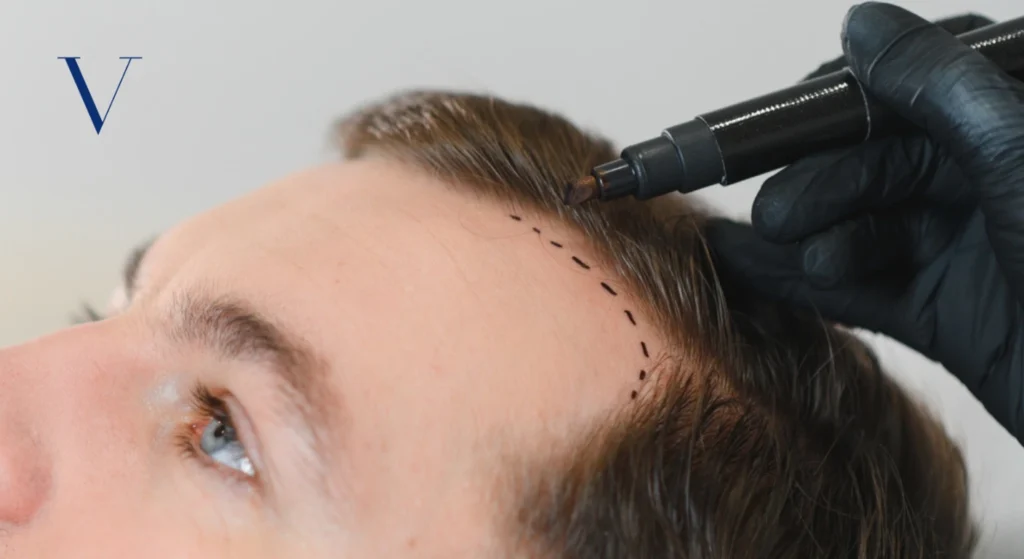
Protecting and restoring your frontal hairline naturally starts with understanding the health of your hair follicles. Simple lifestyle changes can make a significant difference: regular scalp massages improve blood circulation, a nutrient-rich diet strengthens follicles, and stress management helps prevent excessive shedding. Gentle hair care routines, avoiding harsh chemicals or heat styling, and consistent scalp hygiene also support natural regrowth. While these methods are most effective in early-stage thinning, they can slow down further recession and promote healthier, stronger hair, laying the foundation for long-term frontal hairline maintenance without immediate surgical intervention.
Men vs. Women
- Men: Early thinning may respond to natural methods; advanced recession often requires medical or surgical treatment.
- Women: Hair loss is often stress- or hormone-related, so natural regrowth is more likely.
When Natural Methods Are Not Enough
If follicles are permanently damaged, natural remedies cannot restore the hairline. Advanced medical techniques, such as hair transplants, are the most reliable solution.
Final Thoughts
The answer is yes, but mainly in the early stages of hair loss. When hair follicles are still active and not permanently damaged, natural methods such as improved nutrition, stress management, scalp care, and lifestyle changes can help slow down hairline recession and even encourage some regrowth.
However, once hair follicles become inactive or shrink beyond recovery, natural remedies alone are usually not enough. In more advanced cases of hairline recession, professional treatments, such as medical therapies or hair restoration procedures, tend to offer more consistent and visible results.
Vagus Hair Transplant Islamabad & Frontal Hairline Restoration
Accurate diagnosis is the first step for anyone wondering, “Can frontal hairline grow back naturally?” At Vagus Hair Transplant, specialists evaluate whether regrowth is possible and guide patients toward natural methods or advanced restoration techniques for long-term results.
Frequently Asked Questions
Is frontal hairline hair loss reversible?
Yes, if follicles are active and treatment begins early.
Can a frontal hairline regrow after thinning?
Yes, early thinning often responds well to proper care.
Do natural remedies really work?
They help in mild cases but are ineffective for an advanced recession.
Is a hair transplant the only permanent solution?
Yes, for advanced genetic hairline loss.