The number of grafts needed for a crown hair transplant depends on various factors, including the size of the crown area, the degree of hair loss, and the desired density. On average, anywhere between 1,000 and 2,500 grafts are required for a crown area hair transplant. However, the exact number can vary from person to person based on individual factors such as age, scalp condition, and aesthetic goals.
Introduction
When considering a crown hair transplant, one of the most common questions people ask is, “How many grafts do I need for a crown hair transplant?” The answer can vary depending on several factors, but generally, the size of the crown area and the extent of hair loss will influence the number of grafts required. For example, individuals with a small crown area may only need around 1,000 grafts, while those with more extensive hair loss may require up to 2,500 or more. In this article, we’ll explore how the number of grafts for a crown hair transplant is determined and what to expect from the procedure.
Understanding these details is essential for anyone considering a crown hair transplant as part of their hair restoration for the crown area. Whether you’re opting for FUE or another technique, knowing the crown hair transplant timeline and expected results can help you make an informed decision.
Understanding Crown Hair Transplants
What is a Crown Hair Transplant?
A crown hair transplant is a specialised procedure focused on restoring hair to the crown area of the scalp, which is often the first to show signs of hair thinning or balding in men. This procedure involves transplanting hair follicles from a donor area, usually the back or sides of the scalp, to the crown. This can significantly improve the appearance of thinning hair or a receding hairline.
Why is the Crown Area Special in Hair Transplants?
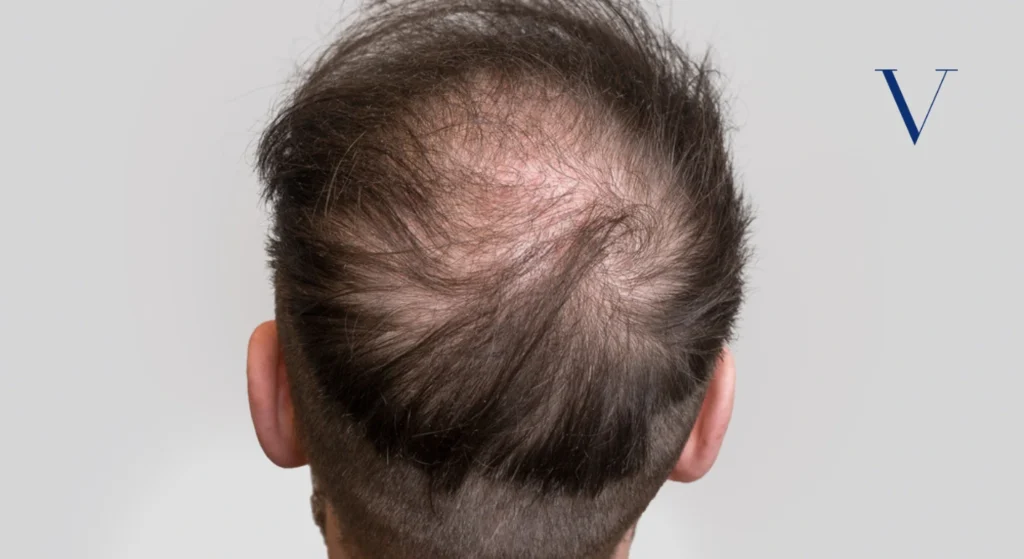
The crown area is unique in hair transplant procedures because it is often one of the most challenging areas to treat due to its shape and position. Additionally, hair in the crown region tends to grow in a whorl pattern, which requires the transplant to be done with precision. The hair transplant needs to mimic the natural growth patterns in this area for the results to look realistic and blend seamlessly with the rest of the hair.
Factors That Determine the Number of Grafts for Your Crown
Hair Loss Pattern and Norwood Scale
One of the primary factors in determining the number of grafts required for a crown hair transplant is the pattern of hair loss, often measured by the Norwood Scale. This scale ranges from Type I (minimal hair loss) to Type VII (advanced hair loss), with Type V or above often requiring a larger number of grafts for full coverage. The higher the Norwood scale, the more grafts are needed for optimal results in the crown hair transplant procedure.
Density of Existing Hair and Donor Area Health
The existing density of your hair plays a significant role in determining how many grafts you need. If you have thicker hair, you may need fewer grafts to achieve the desired volume. Similarly, the health and availability of the donor area also impact the number of grafts that can be extracted. A strong donor area means that more grafts can be harvested, allowing for better coverage of the crown area.
Desired Hair Density and Aesthetic Goals
The desired density of the hair is another crucial factor. If you’re aiming for a denser look, more grafts will be required. Your aesthetic goals, including how natural the hairline should appear, will also influence the decision on how many grafts are necessary. Some patients prefer a softer, natural look, while others might want fuller coverage.
Age and Scalp Condition
Your age and the condition of your scalp will also determine how many grafts are needed. Younger patients may have more viable donor hair and better scalp conditions for a successful transplant. Older individuals might experience less scalp elasticity, which could require additional grafts to achieve the desired results.
How to Calculate the Number of Grafts for a Crown Hair Transplant
Estimating Grafts Based on Crown Size
The size of the crown area is the most direct factor in determining how many grafts are needed. A small crown typically requires fewer grafts (around 1,000 to 1,500), while a larger crown area may require 2,000 to 2,500 grafts or more. Your surgeon will assess the dimensions of your crown and recommend a suitable graft count based on your specific needs.
Grafts Per Square Centimeter: What You Need to Know
The number of grafts required per square centimeter will depend on the overall density you want to achieve. Typically, 30 to 40 grafts per square centimeter are considered standard for a natural-looking result. If you’re looking for a more dense and fuller appearance, the number of grafts per square centimeter may increase.
Variability in Graft Requirements for Different People
It’s important to note that graft requirements can vary greatly from person to person. Factors like the scalp’s elasticity, hair thickness, and the patient’s expectations will influence the number of grafts needed for an effective transplant.
Typical Graft Range for Crown Hair Transplants
Small Crown Area: 1,000–1,500 Grafts
If you have a relatively small crown area with minimal hair loss, you may only need around 1,000 to 1,500 grafts. This can help restore volume and provide a natural-looking result.
Medium Crown Area: 1,500–2,000 Grafts
For a medium-sized crown area with moderate hair loss, you’ll likely need between 1,500 and 2,000 grafts. This range provides a balance between coverage and density, suitable for most patients with moderate thinning.
Large Crown Area: 2,000–2,500 Grafts
If your crown area is larger or you’ve experienced extensive hair loss, you may need 2,000 to 2,500 grafts. This larger number of grafts helps cover a larger area and provides a fuller look.
What Results Can You Expect from a Crown Hair Transplant?
Achieving Natural Hair Density
One of the primary goals of a crown hair transplant is to restore natural-looking density. With the right number of grafts, your hair will blend seamlessly with the surrounding hair, giving you a fuller, thicker appearance that enhances your overall look.
Long-Term Hair Growth and Maintenance
After the procedure, you can expect gradual hair growth over several months, with the final results often visible in 12 to 18 months. The crown hair transplant results will continue to improve as the transplanted follicles establish themselves and begin to grow hair naturally.
Before and After: Photos for a Realistic Expectation
It’s essential to set realistic expectations for your hair restoration for crown area. Before and after photos can give you a better idea of what to expect in terms of coverage and density. Make sure to review these with your surgeon to understand the likely outcome.
How to Maximize Your Crown Hair Transplant Results
Post-Transplant Care and Recovery Tips
Following your crown hair transplant FUE procedure, proper aftercare is crucial. This includes avoiding strenuous activity for a few weeks, refraining from scratching the transplant area, and following all post-procedure instructions provided by your surgeon.
Proper Nutrition and Hair Care Post-Procedure
Eating a balanced diet rich in vitamins and minerals, such as Vitamin A, C, and biotin, can support healthy hair growth after your procedure. Regular hair care routines, including gentle washing and conditioning, will also help maintain your transplant results.
When to Follow Up with Your Surgeon
Regular follow-up appointments with your surgeon are essential to monitor your progress and address any concerns that may arise during recovery. These visits will help ensure that your crown hair transplant heals properly and that the results are as expected.
Common Questions About Grafts for Crown Hair Transplants
Is the Number of Grafts for a Crown Hair Transplant Different for Everyone?
Yes, the number of grafts required varies depending on your specific case, including the extent of hair loss, crown size, and desired hair density. It’s important to have a personalized consultation with a surgeon like Dr. Rana Irfan, who can tailor the procedure to your needs.
Does the Number of Grafts Affect the Cost of the Procedure?
Yes, the cost of the procedure is often directly related to the number of grafts needed. More grafts generally result in higher costs due to the increased time and effort involved in the transplant process.
What Happens If More Grafts Are Needed After the Procedure?
In some cases, patients may require additional grafts in the future to achieve the desired density or to address any thinning that occurs. A follow-up procedure can be performed if necessary.
Conclusion
Choosing the Right Number of Grafts for Your Crown Hair Transplant
Choosing the right number of grafts for your crown hair transplant depends on various factors including the size of your crown area, the level of hair loss, and your aesthetic goals. By consulting with an experienced surgeon like Dr. Rana Irfan, you can receive personalized advice and a treatment plan tailored to your unique needs, ensuring optimal results from your crown hair transplant procedure.
Frequently Asked Questions
Q: How long does it take for a crown hair transplant to show results?
A: The results typically begin to show in 3 to 4 months, with full results visible in 12 to 18 months.
Q: Can I return to normal activities immediately after a crown hair transplant?
A: It’s recommended to avoid strenuous activities for about 2 weeks to allow proper healing of the transplanted area.
Q: Are the results permanent?
A: Yes, the transplanted hair is permanent, as it is taken from the genetically resistant donor area. However, natural hair loss may still occur over time.