Is Alopecia Areata Barbae Permanent or Will Beard Hair Grow Back? Alopecia Areata Barbae is usually not permanent. In most patients, beard hair regrows naturally or with appropriate medical treatment because the hair follicles remain intact. Although recovery time varies, noticeable regrowth is commonly seen within a few months. The condition may recur in some cases, but long-term remission is achievable. Hair transplant is generally not recommended unless the disease has remained inactive for an extended period, as active alopecia areata can negatively affect transplanted hair.
Introduction
Alopecia Areata Barbae is an autoimmune condition that leads to sudden, patchy beard hair loss without pain or scarring. This unexpected change in facial hair often causes concern and emotional distress, making patients question whether the condition is permanent. The reassuring reality is that Alopecia Areata Barbae is temporary in most cases, and beard hair regrowth commonly occurs, either naturally or with appropriate medical treatment, especially when diagnosed early and managed by a qualified dermatologist.
What Is Alopecia Areata Barbae?
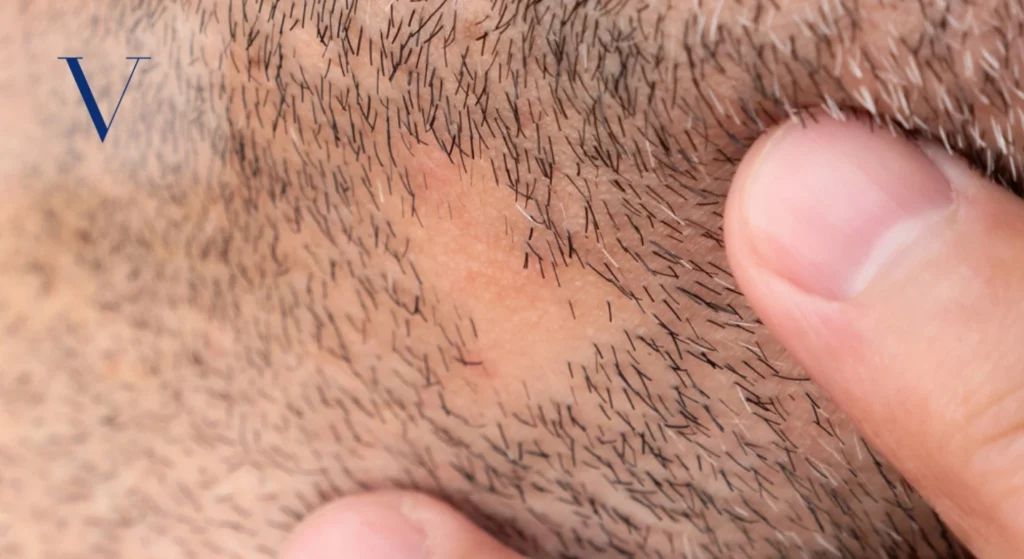
Alopecia Areata Barbae occurs when the immune system mistakenly targets healthy hair follicles in the beard area. This immune reaction forces the follicles into a resting phase, leading to hair loss in well-defined patches. Importantly, the skin usually remains smooth and unscarred, which means the hair follicles are still alive and capable of producing new hair.
Because the follicles are not destroyed, beard hair regrowth remains possible, even if the hair loss appears sudden or extensive.
Alopecia Areata Barbae Causes
The exact cause of Alopecia Areata Barbae is not fully understood, but it is strongly linked to autoimmune activity. Genetic factors may increase the risk, and emotional or physical stress is often reported before the onset of symptoms. In some individuals, viral infections or the presence of other autoimmune conditions may also contribute to the development of this type of beard hair loss.
Is Alopecia Areata Barbae Permanent or Temporary?
From a medical point of view, Alopecia Areata Barbae is considered a temporary condition in the majority of cases. Since the hair follicles are not permanently damaged, the immune attack can subside over time, allowing hair to regrow. Many patients recover fully, while others may experience partial regrowth or periods of remission followed by relapse.
Although recurrence is possible, permanent beard hair loss due to Alopecia Areata Barbae is uncommon.
Will Beard Hair Grow Back in Alopecia Areata Barbae?
Yes, in most cases, beard hair does grow back. Recovery time depends on the severity of the condition and how early treatment is started. Mild cases may show regrowth within three to six months, while more persistent cases may take longer.
When regrowth begins, the new hair may initially appear thin or lighter in color. Over time, this hair usually thickens and returns to its normal texture and shade.
Alopecia Areata Barbae vs Alopecia Areata
Alopecia Areata Barbae is a localized form of Alopecia Areata that specifically affects the beard area, whereas Alopecia Areata can involve hair loss on the scalp, eyebrows, eyelashes, or other body areas. Both conditions share the same autoimmune cause and are non-scarring in nature, meaning hair follicles remain intact and regrowth is possible. However, Alopecia Areata Barbae is limited to facial hair, while generalized Alopecia Areata may present with more widespread hair loss and variable recovery patterns.
| Feature | Alopecia Areata Barbae | Alopecia Areata |
| Area Affected | Beard and facial hair only | Scalp, beard, eyebrows, eyelashes, or body hair |
| Cause | Autoimmune reaction | Autoimmune reaction |
| Type of Hair Loss | Patchy beard hair loss | Patchy or widespread hair loss |
| Scarring | No scarring | No scarring |
| Hair Follicle Damage | Follicles remain intact | Follicles remain intact |
| Chance of Regrowth | High in most cases | High but varies by extent |
| Recovery Pattern | Often localized and faster | Can be localized or extensive |
| Treatment Approach | Dermatological medical treatment | Dermatological medical treatment |
| Hair Transplant Role | Rarely recommended | Rarely recommended |
Related: What is Alopecia Areata? Understanding the Autoimmune Condition
Does Alopecia Areata Barbae Come Back?
Alopecia Areata Barbae can recur, particularly during periods of stress or immune imbalance. Some patients experience only one episode in their lifetime, while others may notice repeated flare-ups. Regular follow-up with a dermatologist helps monitor the condition and allows early treatment if new patches appear.
Alopecia Areata Barbae Treatment Options
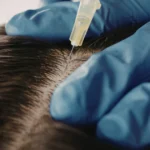
Treatment for Alopecia Areata Barbae focuses on calming the immune response and stimulating hair regrowth. Dermatologists commonly use localized steroid injections or topical medications to reduce inflammation around the hair follicles. In more extensive cases, oral medications may be considered. Early and consistent treatment often leads to better and faster recovery.
Is Hair Transplant Safe for Alopecia Areata Barbae?
Hair transplant is generally not considered safe or effective while Alopecia Areata Barbae is active. Because the condition is autoimmune, the immune system can attack transplanted hair in the same way it attacks natural hair follicles. This makes the success rate unpredictable and increases the risk of graft failure.
For this reason, hair transplant is not viewed as a cure for Alopecia Areata Barbae.
Beard Hair Transplant After Alopecia Areata Barbae
A beard hair transplant may be considered only in very selective cases. The condition must remain completely inactive for at least one to two years, with no new patches and explicit confirmation of remission by a dermatologist. Even then, success rates are lower than those seen in standard beard transplants performed for genetic hair loss.
Vagus Hair Transplant – A Responsible & Patient-Focused Approach
Vagus Hair Transplant follows a medically ethical and patient-first approach when dealing with Alopecia Areata Barbae. Instead of rushing patients toward surgery, the focus is on accurate diagnosis, disease stability, and long-term safety. Hair transplant is only discussed when the condition is confirmed to be in a stable, inactive phase. This honest and cautious approach helps patients avoid unnecessary procedures and ensures more reliable outcomes when treatment is appropriate. Dermatologists in Islamabad are well-equipped to manage beard hair loss caused by autoimmune conditions and can guide patients through medical treatment, monitoring, and long-term care.
Alopecia Areata Barbae Treatment Cost in Islamabad
The cost of treatment depends on the severity of the condition, the type of therapy used, and the duration of treatment. In most cases, medical management is significantly more affordable than surgical options such as beard hair transplant.
Final Thoughts
Alopecia Areata Barbae can be emotionally challenging, but it is rarely permanent. With early diagnosis, proper medical treatment, and guidance from an experienced dermatologist, beard hair regrowth is achievable for most patients. Surgical options should only be considered carefully and at the right time to ensure safe and lasting results.
Frequently Asked Questions
Is Alopecia Areata Barbae permanent?
No, it is usually temporary, and permanent beard hair loss is uncommon.
Will beard hair grow back in Alopecia Areata Barbae?
Yes, most patients experience beard hair regrowth over time.
Can Alopecia Areata Barbae be cured completely?
There is no permanent cure, but long-term remission is possible.
Is hair transplant recommended for Alopecia Areata Barbae?
Hair transplant is only considered after prolonged disease inactivity and specialist approval.