Is Lichen Planopilaris Permanent? Lichen Planopilaris (LPP) is a chronic autoimmune scalp disorder that leads to patchy hair loss, persistent scalp inflammation, and discomfort such as itching or burning. Many patients naturally wonder whether this hair loss is permanent. While hair regrowth may be limited if hair follicles are irreversibly damaged, early diagnosis and timely treatment can effectively reduce inflammation, manage scalp pain, and prevent further hair loss. With appropriate interventions including medical therapies, lifestyle strategies, and modern solutions like hair transplantation, LPP can be controlled, helping patients, particularly women, maintain a healthy scalp and preserve existing hair.
Introduction
Lichen Planopilaris is an autoimmune scalp condition that predominantly affects adults, with women being more commonly impacted. It triggers inflammation around the hair follicles, leading to patchy hair loss, scalp redness, irritation, and, in some cases, permanent thinning. If you’ve searched for “Is Lichen Planopilaris Permanent? Causes, Scalp Pain & Hair Loss”, you are likely seeking clear answers about whether hair can regrow, how to manage scalp discomfort, and which treatments offer the best results.
Early recognition of symptoms, such as patchy hair loss, an itchy or burning scalp, and gradual thinning is crucial. While follicle damage can lead to permanent hair loss, prompt Lichen Planopilaris treatment can slow progression, relieve discomfort, and help preserve the hair that remains. This article will guide you through the causes, symptoms, treatment options, lifestyle strategies, and advanced interventions like hair transplants to manage LPP effectively.
What is Lichen Planopilaris?
Lichen Planopilaris is a rare autoimmune hair disorder that triggers inflammation in the scalp, ultimately affecting hair follicles. This inflammation leads to patchy hair loss and can cause permanent follicle damage if untreated. Individuals often experience discomfort such as scalp irritation, redness, and localized tenderness, making early identification and management crucial.
Causes of Lichen Planopilaris
The exact cause of Lichen Planopilaris remains unclear, but it is widely regarded as an autoimmune condition. The body’s immune system mistakenly attacks hair follicles, leading to inflammation and hair thinning. Hormonal changes, genetic predisposition, and chronic scalp irritation may increase the risk, particularly among women. Understanding these underlying triggers helps guide effective treatment strategies and prevent further progression.
Symptoms of Lichen Planopilaris
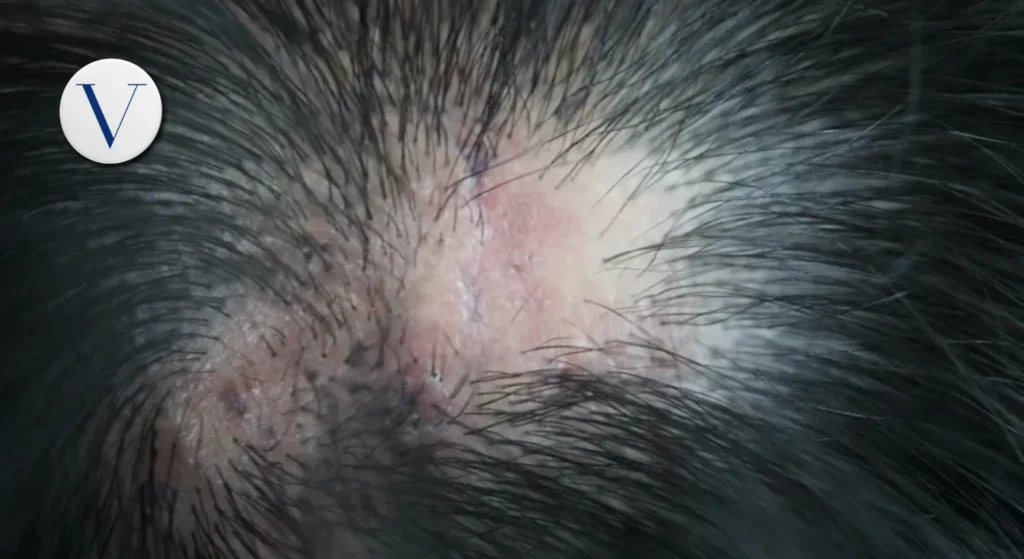
Early recognition of LPP is vital to prevent permanent hair loss. Symptoms typically include patchy hair loss, scalp irritation, and an itchy or burning sensation. Affected areas may develop smooth, shiny patches over time, indicating scarring. Hair thinning is gradual, and patients may also notice slow hair regrowth in affected areas. Recognizing these signs promptly allows for early intervention through medical and lifestyle measures.
How to Identify Lichen Planopilaris Early
Patients may first notice persistent scalp inflammation, small patches of hair loss, or areas of tenderness. Chronic itching and changes in scalp texture, such as shininess or tightness, can indicate early stages of LPP. Consulting a dermatologist promptly for evaluation is critical to prevent follicle destruction and stabilize hair loss.
Symptoms of Lichen Planopilaris in Women
Women with Lichen Planopilaris often notice early signs that indicate both scalp inflammation and potential hair loss. Key symptoms include patchy hair loss along the crown and frontal scalp, progressive hair thinning, and areas where hair fails to regrow. Many experience persistent scalp irritation, redness, and an itchy or burning sensation, which can make daily grooming uncomfortable. In advanced cases, smooth, shiny patches may appear, signaling follicle damage and the risk of permanent hair loss. Recognizing these symptoms early is crucial for timely intervention, helping women manage scalp pain, slow hair loss, and preserve existing hair.
Is Lichen Planopilaris Permanent?
One of the most common questions is whether Lichen Planopilaris causes permanent hair loss. In advanced cases, chronic inflammation can destroy hair follicles, leading to irreversible hair loss. However, if detected early, medical treatment can control inflammation, relieve scalp pain, and prevent additional hair loss. While hair regrowth may be limited once scarring occurs, combining medical and supportive care improves scalp health and stabilizes existing hair.
Scalp Pain and Discomfort
Scalp pain in LPP results from underlying inflammation. Many patients report itching, burning, and tenderness, making simple grooming uncomfortable. Proper scalp care, including the use of gentle shampoos, avoiding harsh chemicals, and maintaining a regular hair care routine, can help reduce discomfort and support overall scalp health. Targeted approaches for sensitive skin also minimize irritation and promote patient comfort during treatment.
Related, How to Maintain Scalp Micropigmentation?
Treatment Options for Lichen Planopilaris
Treatment for LPP focuses on reducing inflammation, managing symptoms, and preventing further hair loss. Topical steroid treatments and oral medications are commonly prescribed to control the autoimmune response. Scalp biopsies may be performed to confirm the diagnosis and tailor therapy. Alongside medical treatment, lifestyle modifications, such as stress reduction, nutrition support, and gentle scalp care, play an important role in maintaining hair health.
Natural remedies like aloe vera, coconut oil, or anti-inflammatory oils can help soothe the scalp, but they are supportive rather than curative. Women with LPP may also benefit from hair loss remedies that promote scalp circulation, nutrition, and overall follicle health.
Vagus Hair Transplant for Lichen Planopilaris
In cases where hair loss has become permanent due to follicle scarring, Vagus Hair Transplant has emerged as a promising solution. This advanced procedure involves transplanting healthy hair follicles from unaffected areas to restore hair density. While hair transplantation cannot reverse the autoimmune process itself, combining it with ongoing medical treatment helps achieve both cosmetic improvement and long-term scalp health. Consultation with a dermatologist and a hair transplant specialist ensures suitability and maximizes the success of this procedure.
Hair Regrowth and Prognosis
While permanent hair regrowth in scarred areas is often limited, early intervention can stabilize thinning hair and prevent further loss. Combining topical or oral treatments with lifestyle changes improves outcomes, while hair transplant options like Vagus Hair Transplant provide cosmetic restoration for those with irreversible hair loss. Ongoing monitoring and consistent care are essential for maintaining scalp health and supporting hair regrowth in unaffected areas.
Additionally, How to Stop Hair Loss and Regrow Hair Naturally
Final Thoughts
Lichen Planopilaris is a chronic autoimmune scalp condition that can result in permanent hair loss if left untreated. While full hair regrowth may not be possible in scarred areas, early diagnosis, proper dermatologist-led treatment, a consistent hair care routine for scalp conditions, and lifestyle adjustments can stabilize hair loss and improve scalp health. For patients with permanent hair loss, options like Vagus Hair Transplant offer a viable solution to restore hair density, combining both medical and cosmetic approaches for optimal outcomes.
Frequently Asked Questions
Can Lichen Planopilaris cause permanent hair loss?
Yes, if inflammation destroys hair follicles, hair loss can become permanent. Early detection and treatment are key to preventing further damage.
What are the early signs of Lichen Planopilaris?
Early indicators include patchy hair loss, persistent scalp irritation, itching, and shiny or tight scalp areas.
How is Lichen Planopilaris treated?
Treatment includes topical and oral medications, anti-inflammatory strategies, supportive scalp care, and in some cases, hair transplant procedures.
Is Lichen Planopilaris more common in women?
Yes, women are more frequently affected by LPP, often experiencing progressive hair thinning and scalp inflammation.
Can natural remedies help scalp inflammation?
Supportive natural remedies such as aloe vera, coconut oil, and gentle scalp massages may relieve irritation, but they cannot reverse permanent hair loss.