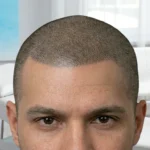
Yes, a natural frontal hairline FUE can look completely natural when performed with modern techniques, artistic hairline planning, and proper graft placement. Today’s advanced FUE procedures focus on recreating the natural direction, angle, density, and irregularity of the original hairline so the results blend seamlessly with existing hair. Factors such as surgeon expertise, single-hair graft placement, balanced density, and customized hairline design play a major role in achieving realistic and undetectable outcomes.
Introduction
A natural frontal hairline FUE (Follicular Unit Extraction) is one of the most requested goals among people considering hair restoration procedures today. Many patients worry that a hair transplant may look artificial, too straight, or easy to notice. However, modern FUE technology has significantly improved the ability to create a highly realistic and natural-looking FUE hairline that blends naturally with existing hair.
Modern frontal hairline restoration techniques are designed to mimic the natural growth pattern of hair. Instead of creating an unnaturally straight line, experienced surgeons focus on irregularity, softness, and gradual density transitions. This makes modern FUE hairline transplant procedures far more natural than older hair transplant methods.
At advanced hair restoration clinics such as those led by Dr. Rana Irfan, careful attention is given to personalized FUE hairline design and long-term aesthetic planning. The goal is not simply to restore hair, but to achieve realistic and sustainable natural hair transplant results that complement the patient’s age, facial structure, and future hair loss pattern.
What Makes a Frontal Hairline Look Natural After FUE?
Natural Hairline Shape and Irregularity
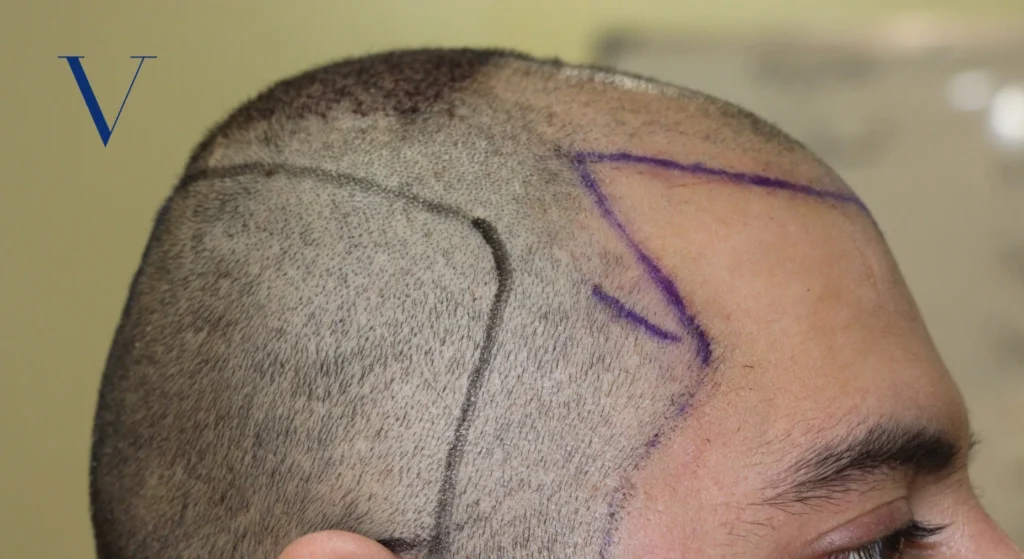
One of the biggest secrets behind successful natural hairline restoration is avoiding a perfectly straight hairline. Natural hairlines contain tiny irregularities and soft transitions that make them appear authentic. Skilled surgeons intentionally create slight asymmetry and variation to replicate natural growth patterns.
A realistic frontal hairline transplant is carefully designed to match the patient’s facial proportions and natural hair characteristics. This creates a softer and more believable appearance.
Correct Graft Angle and Direction
Hair naturally grows at specific angles depending on the area of the scalp. During a FUE hairline transplant, surgeons must implant grafts at precise angles to ensure the new hair follows the same natural direction.
Improper graft angles can make transplanted hair stand upright or grow unnaturally, making the procedure more noticeable.
Strategic Single-Hair Graft Placement
Natural frontal hairlines usually contain finer, single-hair follicular units at the very front. Multi-hair grafts are generally placed behind the hairline for density support.
Using single-hair grafts strategically allows surgeons to create a feathered and soft transition zone that mimics natural hair growth.
Age-Appropriate Hairline Design
An overly low or aggressive hairline may not look natural as the patient ages. A proper FUE hairline design considers facial symmetry, age, and long-term hair loss progression.
Experienced surgeons create mature and realistic hairlines rather than attempting to recreate teenage hairlines in older patients.
Balanced Hair Density
Hair graft density is another important factor in achieving natural hair transplant results. Excessive density at the front can appear unnatural, while insufficient density may not provide adequate coverage.
The best results come from balanced density distribution that gradually increases from the front toward the back.
How Does FUE Create a Natural Frontal Hairline?
Extraction of Healthy Follicular Units
FUE involves extracting individual follicular units from the donor area, typically located at the back of the scalp. These healthy grafts are selected carefully to match the texture and thickness required for the frontal hairline.
High-quality graft selection contributes significantly to achieving a natural frontal hairline FUE outcome.
Precise Implantation Techniques
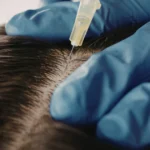
Modern implantation tools allow surgeons to place grafts with high precision. Tiny incisions are created according to the planned hairline direction, density, and angle.
This precision helps produce a seamless and realistic appearance.
Micro-Incisions for Natural Growth Patterns
Advanced FUE techniques use micro-incisions that minimize tissue trauma and support natural healing. These small incisions also help grafts grow in a more natural direction.
The size and placement of these incisions greatly affect the final appearance of the hairline.
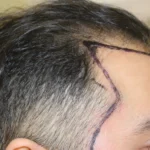
Custom Hairline Planning for Each Patient
Every patient has unique facial features, hair texture, and hair loss patterns. Customized planning is essential for successful hairline reconstruction.
At clinics associated with Dr. Rana Irfan, hairline planning is tailored individually to create aesthetically balanced and natural-looking outcomes.
Can People Tell If You Had a Frontal Hairline FUE?
Why Modern FUE Results Are Often Undetectable
Modern FUE procedures are far more advanced than older hair restoration techniques. When performed correctly, the transplanted hair blends naturally with surrounding hair, making it extremely difficult to detect.
Proper density control, natural graft placement, and realistic hairline irregularity all contribute to undetectable results.
Common Signs of an Unnatural Hair Transplant
Some poorly performed transplants may appear artificial due to:
- Straight hairlines
- Incorrect graft direction
- Visible gaps between grafts
- Pluggy appearance
- Excessively dense frontal rows
These issues are typically associated with outdated techniques or inexperienced surgeons.
Differences Between Old and Modern Hair Transplant Methods
Older methods often used large grafts that created unnatural “plug” appearances. Modern FUE focuses on individual follicular units and artistic implantation strategies.
Today’s procedures prioritize subtlety and realism rather than simply maximizing graft numbers.
Factors That Affect Natural-Looking FUE Hairline Results
Surgeon Experience and Artistic Skill
Technical ability alone is not enough in hair transplantation. Artistic judgment is equally important for designing realistic hairlines.
An experienced surgeon understands facial harmony, density distribution, and natural growth patterns.
Hair Texture and Donor Quality
Hair thickness, curl pattern, and donor density influence final results. Patients with strong donor areas usually achieve better coverage and density.
Curly or wavy hair can often provide enhanced visual density compared to very straight hair.
Related: Can a Hair Transplant Change Your Hair Texture?
Number of Grafts Used
The required graft count depends on the level of hairline recession and desired density. Using too few grafts may create thin results, while excessive graft placement can appear unnatural.
Balanced planning is essential.
Healing and Aftercare
Post-operative care significantly affects graft survival and healing quality. Following aftercare instructions carefully helps improve final results.
Proper Density Distribution
Natural hairlines do not have identical density throughout the frontal region. Gradual density transitions create softer and more realistic outcomes.
What Can Make a Frontal Hairline FUE Look Unnatural?
Straight or Overly Perfect Hairlines
Nature rarely creates perfectly straight hairlines. Overly sharp or symmetrical designs can make the transplant obvious and artificial-looking. A naturally occurring hairline usually contains subtle irregularities, uneven spacing, and slight asymmetry that create a softer appearance. When a surgeon designs a hairline that is too geometric or aggressively defined, it may immediately draw attention and reduce the realism of the result.
Modern FUE hairline design focuses on creating micro-irregularities that imitate natural hair growth patterns. Experienced surgeons understand that softness at the frontal edge is essential for achieving authentic and age-appropriate outcomes. This is one of the key reasons why artistic planning is so important in natural frontal hairline FUE procedures.
Incorrect Graft Direction
Hair implanted at unnatural angles may grow outward or upward, reducing realism. The frontal hairline has very specific growth directions that vary from one patient to another. If grafts are inserted too vertically or in the wrong orientation, the transplanted hair can appear stiff, spiky, or disconnected from the surrounding native hair.
Correct angulation is especially important in the temples and frontal corners, where natural hair typically grows flatter against the scalp. Skilled surgeons carefully replicate the natural direction of existing hair to ensure seamless blending. Proper graft orientation is one of the defining factors behind successful natural-looking FUE hairline results.
Overpacking the Frontal Area
Excessive density at the very front can create an artificial “wall-like” appearance instead of a soft transition. While many patients request maximum density, placing too many grafts too close together in the frontal zone may compromise the natural look of the hairline.
Natural hairlines usually have a gradual transition from finer hairs at the front to thicker density further behind. Overpacking removes this softness and may make the transplant appear unnatural under bright lighting or close inspection. A balanced density strategy helps create more realistic and aesthetically pleasing frontal hairline restoration results.
Poor Density Blending
Uneven density between transplanted and native hair may make the procedure easier to detect. If the newly transplanted area appears significantly denser or thinner than the surrounding hair, the transition may look unnatural.
Proper blending is particularly important in patients who still have partial native hair in the frontal region. Surgeons must carefully distribute grafts so the transplanted hair integrates smoothly with existing follicles. Achieving consistent density throughout the frontal zone contributes greatly to long-term natural hair transplant results.
Using Multi-Hair Grafts at the Front
Multi-hair grafts at the leading edge of the hairline can appear thick and unnatural. Single-hair grafts are generally preferred for the frontal zone because they replicate the fine and delicate appearance of a natural hairline.
Using thicker multi-hair grafts at the front may create a pluggy or harsh look that older hair transplant methods were known for. Modern frontal hairline transplant procedures prioritize strategic single-hair graft placement to maintain softness and realism. Multi-hair grafts are usually reserved for areas behind the hairline where additional density is needed.
How Long Does It Take for a Frontal Hairline FUE to Look Natural?
Initial Shedding Phase
After surgery, transplanted hairs often shed within the first few weeks. This is a normal part of the growth cycle and should not be mistaken for treatment failure. The follicles themselves remain healthy beneath the scalp while preparing for new growth.
During this period, patients may temporarily feel concerned because the transplanted area can look similar to the pre-treatment stage. However, shedding is an expected biological response after a FUE hairline transplant and is considered a positive sign that the follicles are entering a new growth cycle.
Early Regrowth Timeline
New growth usually begins around three to four months after the procedure. Early hairs may initially appear thin before thickening over time. At this stage, patients often notice fine and uneven growth patterns as the follicles gradually become active again.
The newly growing hair may also have a softer texture initially. Over the following months, the transplanted hair begins to gain strength, thickness, and better coverage. Patience is essential because early growth rarely reflects the final quality of the natural frontal hairline FUE result.
Full Maturation of Transplanted Hair
Most patients see significant improvements between eight and twelve months. Hair texture and density continue to mature gradually during this phase. The hairline becomes fuller, more defined, and increasingly natural in appearance.
By this stage, the transplanted follicles are usually producing stronger hair shafts that blend more effectively with the native hair. Many patients experience a major confidence boost once the frontal hairline begins to frame the face more naturally.
Final Natural Appearance Timeline
The final appearance of a natural frontal hairline FUE is typically visible after 12 to 15 months, depending on individual healing and hair growth patterns. Some patients may continue to notice subtle improvements even beyond the one-year mark.
Factors such as age, scalp condition, donor quality, and post-operative care can influence the speed of recovery and final maturation. A successful hairline reconstruction process requires realistic expectations and an understanding that natural-looking outcomes develop progressively over time.
Before and After Expectations of Frontal Hairline FUE
What Patients Typically Notice After Surgery
Initially, mild redness, scabbing, and temporary swelling may occur. These symptoms usually improve within days or weeks. The scalp may feel slightly sensitive during the early healing period, particularly around the recipient area.
Patients are generally advised to avoid touching or scratching the scalp to protect newly implanted grafts. Most visible signs of surgery gradually fade during the first few weeks, allowing patients to resume normal routines relatively quickly.
Related: Hairline Advancement Before and After: Transform Your Hairline
Changes in Hairline Definition
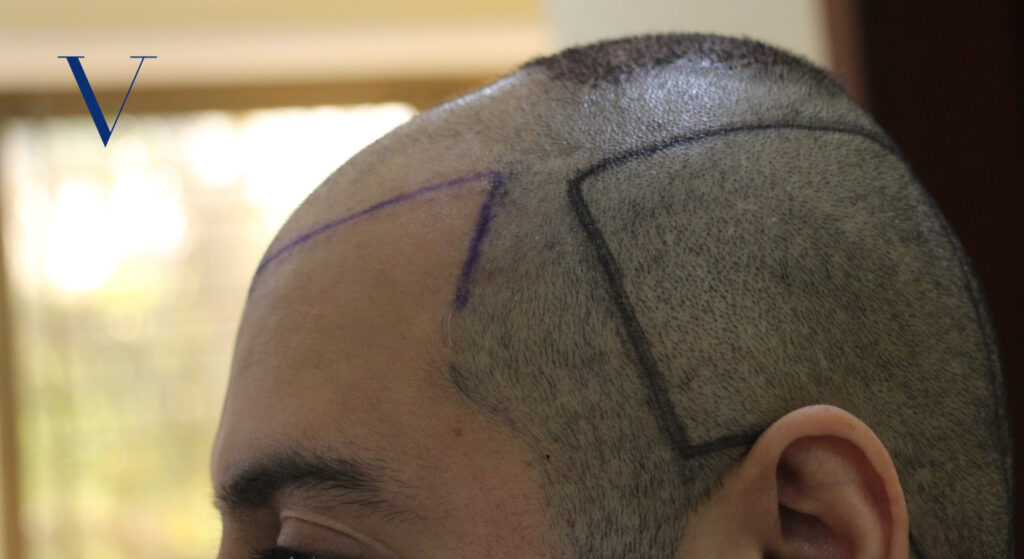
As the grafts grow, the frontal hairline gradually becomes more defined and balanced. Patients often notice subtle improvements first, followed by increasing density and improved framing of the face.
One of the most rewarding aspects of frontal hairline restoration is the gradual improvement in facial symmetry and overall appearance. A properly designed hairline can soften facial proportions and restore a more youthful look without appearing artificial.
Density Improvement Over Time
Hair density improves progressively throughout the recovery process, especially after the sixth month. Initially, the hairline may look thinner than expected, but the follicles continue developing over time.
As more grafts enter the active growth phase, patients usually observe improved scalp coverage and better blending with surrounding hair. Final density outcomes depend on graft survival, donor quality, and overall scalp health.
Realistic Expectations for Final Results
Patients should understand that natural results take time. Hair restoration is a gradual process rather than an instant transformation. While modern FUE techniques can create highly realistic outcomes, perfection should not always be expected.
The goal of a natural-looking FUE hairline is to achieve harmony with existing hair and facial structure rather than creating an unnaturally dense or aggressive hairline. Realistic expectations contribute significantly to long-term patient satisfaction.
Is Frontal Hairline FUE Different for Men and Women?
Male Hairline Restoration Goals
Men often seek stronger frontal definition and temple restoration while maintaining a mature appearance. Male hairline designs typically feature slightly straighter shapes with controlled recession at the temples to preserve natural masculinity.
An experienced surgeon will avoid creating a hairline that looks too low or juvenile, especially in patients with ongoing hair loss. Long-term planning is important to ensure the restored hairline continues to look natural as the patient ages.
Female Frontal Hairline Correction
Women typically prefer softer and more rounded hairline designs that preserve feminine facial proportions. Female patients often seek treatment for thinning along the frontal edge, widening foreheads, or uneven hairlines.
In many cases, female hairline reconstruction focuses on subtle density enhancement rather than dramatic lowering of the hairline. The goal is to create natural softness and improve facial balance without obvious signs of transplantation.
Gender-Specific Hairline Designs
Customized planning is essential because male and female hairlines naturally differ in shape, density, and positioning. A one-size-fits-all approach can lead to unnatural outcomes.
Modern FUE hairline design takes into account gender-specific anatomy, facial structure, hair characteristics, and long-term aesthetic goals. Personalized treatment planning plays a major role in achieving authentic and natural-looking results.
Tips for Achieving the Most Natural Frontal Hairline FUE Results
Choosing an Experienced FUE Surgeon
Selecting a qualified and experienced surgeon is one of the most important decisions in achieving realistic outcomes. Hairline creation requires both technical expertise and artistic judgment because even small design errors can affect facial appearance.
Experienced specialists such as Dr. Rana Irfan focus on individualized planning, natural graft placement, and long-term hair restoration strategies to improve overall realism and patient satisfaction.
Following Post-Operative Care Instructions
Proper scalp care, medication compliance, and avoiding unnecessary trauma support healthy graft survival. Patients who carefully follow aftercare instructions often experience better healing and improved graft retention.
Protecting the scalp during the early recovery phase is particularly important because newly implanted follicles are delicate. Proper aftercare contributes directly to stronger growth and better natural hair transplant results.
Avoiding Overly Aggressive Hairline Lowering
Conservative hairline positioning often produces more sustainable and age-appropriate results. Attempting to create an extremely low hairline may exhaust donor graft reserves and create unnatural facial proportions over time.
A mature and balanced hairline usually ages more naturally and remains aesthetically consistent as future hair loss progresses.
Planning Long-Term Hair Loss Management
Hair loss may continue even after transplantation. Long-term planning helps maintain balanced and natural aesthetics over time. Patients may eventually require medical therapy, PRP, or additional procedures to preserve surrounding native hair.
A successful natural frontal hairline FUE strategy considers not only immediate cosmetic improvement but also the patient’s future hair loss pattern and donor area preservation.
Is a Natural-Looking Frontal Hairline FUE Worth It?
A successful natural-looking FUE hairline can provide significant emotional and aesthetic benefits. Many patients experience improved self-confidence and greater satisfaction with their appearance after frontal hairline restoration.
Beyond cosmetic improvement, a well-designed frontal hairline transplant can create facial balance and restore a more youthful look without appearing artificial. When performed properly, the procedure offers long-term and natural-looking improvements that integrate seamlessly with existing hair.
Patients treated at advanced clinics such as those associated with Dr. Rana Irfan often seek personalized hairline reconstruction strategies that focus on realism rather than excessive density alone.
Conclusion
A properly performed natural frontal hairline FUE can look incredibly realistic and blend seamlessly with existing hair. Modern advancements in FUE hairline transplant procedures allow surgeons to recreate natural hair growth patterns through careful planning, precise graft placement, and artistic hairline design.
Achieving successful natural hair transplant results depends on multiple factors, including surgeon expertise, graft direction, density control, and long-term hair restoration planning. When these elements are handled correctly, patients can achieve a youthful and authentic-looking hairline that remains virtually undetectable.
Frequently Asked Questions
Can frontal hairline FUE look completely undetectable?
Yes, modern FUE techniques can produce highly natural and undetectable results when proper graft placement, density control, and hairline design are used.
How many grafts are needed for a natural frontal hairline?
The number varies depending on the level of recession and desired density, but many frontal hairline procedures require between 1,000 and 2,500 grafts.
Does FUE leave scars on the frontal hairline?
FUE uses tiny extraction points that generally heal with minimal visible scarring.
Can I style my transplanted frontal hair naturally?
Yes, transplanted hair can usually be washed, cut, and styled like natural hair once fully healed.
What is the best age for frontal hairline FUE?
There is no universal ideal age, but surgeons often recommend waiting until hair loss patterns become more stable.
How dense should a natural frontal hairline be?
A natural hairline should have balanced and gradual density rather than excessive compactness.
Can frontal hairline FUE fail?
Poor planning, low graft survival, or continued hair loss may affect results, although successful procedures generally have high satisfaction rates.
Does transplanted frontal hair grow permanently?
Transplanted hairs are typically resistant to hair loss and can provide long-lasting growth.