Beard transplants offer a permanent solution for individuals looking to enhance or restore their facial hair. The procedure involves transplanting hair follicles from one area (often the scalp) to the beard region, and the results are generally permanent.
Once transplanted, the hair follicles should continue to grow naturally, providing long-lasting results. However, factors such as age, genetics, lifestyle, and health can influence the overall outcome.
Introduction
When considering a beard transplant, one of the most common questions people ask is: Are beard transplants permanent? It’s understandable to want to know if the investment of both time and money will yield long-lasting results.
In this article, we’ll explore the permanence of beard transplants, what to expect during recovery, and how you can ensure the results last for years. We’ll also provide expert insights on aftercare and tips for maintaining your beard. By the end, you’ll have a clearer understanding of how permanent beard transplants truly are.

What Is a Beard Transplant?
A beard transplant is a medical procedure in which hair follicles are moved from one part of the body (often the scalp) to the face in areas where facial hair is sparse or absent. This is typically done using one of two methods: Follicular Unit Extraction (FUE) or Follicular Unit Transplantation (FUT). Both methods involve the careful harvesting of hair follicles, which are then transplanted to the targeted areas of the beard.
Ideal Candidates for a Beard Transplant
Not everyone is suited for a beard transplant. Ideal candidates typically include men who:
- They are in good overall health.
- Have areas of sparse or no facial hair due to genetics, scarring, or ageing.
- Are you looking for a more permanent solution to patchy beards?
However, age, genetics, and skin type can all influence the success of the transplant. It’s important to have a consultation with a qualified specialist to assess if a beard transplant is right for you.
Are Beard Transplants Permanent? The Truth Behind Longevity
The big question: Are beard transplants permanent? The answer is generally yes if the transplant is performed correctly, the results can be permanent. However, several factors can affect the longevity and appearance of the transplant over time.
How Beard Transplants Work Over Time
Once the transplanted hair follicles are in place, they begin to grow like normal hair. The growth process follows a similar cycle to your natural hair: an initial shedding phase, followed by gradual regrowth. The transplanted hairs should eventually start to match the natural texture and thickness of your existing beard, blending seamlessly.
Permanent Nature of Transplanted Hair
The hair follicles transplanted during a beard transplant are typically resistant to the effects of male pattern baldness. This means that the follicles should continue to grow as they would in their original location, providing permanent results. While some hair shedding may occur initially, the transplanted hair will grow back and should last indefinitely.
Factors That Can Affect Permanence
While the transplant itself is permanent, certain factors can influence the long-term results:
- Age and Genetics: As you age, your natural beard may thin, and this can affect the overall look. However, the transplanted hair should remain unaffected.
- Lifestyle Factors: Excessive smoking, poor diet, and stress can negatively impact hair growth.
- Health Conditions: Certain medical conditions, such as hormonal imbalances or autoimmune disorders, could lead to hair loss, even in transplanted follicles.
Can Beard Transplants Fail?
While rare, there are instances when a beard transplant may not take. Poor aftercare, improper technique during the procedure, or a patient’s underlying medical conditions could cause failure. However, with proper care and choosing an experienced surgeon, the success rate is very high.
How Long Does It Take for a Beard Transplant to Show Results?
Beard transplant results don’t appear overnight. Understanding the timeline can help set realistic expectations.
What to Expect During the First Few Months
Immediately after the procedure, you may notice some shedding in the transplanted areas. This is completely normal. The transplanted hair follicles go through a resting phase and fall out, which makes way for new, permanent growth. This process typically happens within the first 3-4 months.
Signs of a Successful Beard Transplant
Around 6-9 months post-surgery, you should begin to see significant growth. By the 12-month mark, most patients experience fuller, thicker beards. The results will continue to improve for up to 18 months, as the beard continues to mature.
Average Recovery Time and Follow-Up Care
Most people can resume normal activities within a few days of the transplant, though it’s recommended to avoid strenuous activities for a couple of weeks. Recovery time will vary, but you should expect to follow the aftercare instructions carefully to ensure the best results.
Tips for Maintaining Your Beard After a Transplant
To ensure your beard remains healthy and the results are long-lasting, it’s essential to follow a proper aftercare routine.
Essential Aftercare Practices
- Keep the area clean: Wash the transplanted area gently with a mild shampoo as instructed by your surgeon.
- Avoid irritation: Refrain from touching, scratching, or shaving the transplanted area until fully healed.
Diet and Lifestyle Considerations for Healthy Hair Growth
Eating a balanced diet rich in vitamins and minerals can support hair growth. Focus on foods high in biotin, zinc, and Vitamin D to strengthen your beard hair.
Avoiding Damage: What Not to Do Post-Transplant
- Avoid direct sun exposure: Protect your new beard from the sun to prevent damage.
- No heavy grooming: Avoid excessive styling or using harsh products on the transplanted area until fully healed.
Can You Enhance the Results of a Beard Transplant?
Even with a successful transplant, there are additional treatments and practices you can use to enhance the results.
Advanced Techniques to Improve Growth (e.g., PRP Treatment)
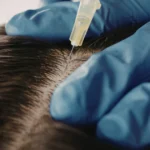
PRP treatment involves injecting your own blood platelets into the transplant area to enhance healing and stimulate hair follicles. This can be a useful adjunct treatment for those looking to optimise their results.

Lifestyle and Habits for Optimising Results
Stress management, getting enough sleep, and avoiding harmful habits like smoking can all contribute to the success of your beard transplant. Following these practices will not only improve your overall health but also the quality of your hair growth.
FAQs About Beard Transplants
Are Beard Transplants Painful?
The procedure itself is minimally invasive, and local anaesthesia is used to numb the area, so discomfort is generally minimal. Some patients may experience mild soreness during the recovery period.
How Much Does a Beard Transplant Cost?
The cost varies depending on factors such as location, the complexity of the procedure, and the clinic’s expertise. On average, beard transplants range from $3,000 to $7,000.
Can I Reverse a Beard Transplant If I Don’t Like It?
It’s very rare for patients to dislike their results. However, in the unlikely event you do, further procedures may be needed to adjust the shape or density.
What Are the Risks or Side Effects of Beard Transplants?
Some common side effects include mild swelling, redness, or scabbing. Serious complications are rare but can include infection or poor hair growth.
How Do I Know if I’m a Good Candidate for a Beard Transplant?
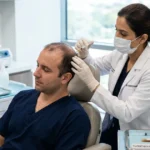
A consultation with a qualified specialist is essential. They will evaluate your beard density, skin condition, and overall health to determine if a beard transplant is right for you.
Is a Beard Transplant Right for You?
Beard transplants offer a permanent solution to patchy or sparse facial hair. With proper aftercare and lifestyle adjustments, the results can last for years. If you’re considering a beard transplant, make sure to consult with an experienced surgeon to ensure you’re a good candidate and to discuss the best approach for your unique needs.
Book a consultation with our experts today to ensure a smooth and successful beard transplant experience. Let us help you achieve the beard you’ve always wanted.