Yes, beard hair can indeed be used for hair transplants, especially for individuals who may not have enough scalp hair available for grafting. Beard hair is considered a viable alternative due to its robust quality and the fact that it grows in a similar fashion to scalp hair. However, the process of using beard hair for hair restoration comes with unique challenges, such as differences in texture and growth pattern. The following blog will delve deeper into the process, benefits, limitations, and can beard be used for hair transplant, and who would be a good candidate for a beard-to-scalp hair transplant.
Can Beard Be Used for Hair Transplant?
Hair transplants have become a popular solution for individuals experiencing hair loss, but for some, the lack of sufficient donor hair on the scalp can present a challenge. In such cases, can a beard be used for a hair transplant? The answer is yes. Beard hair has proven to be a viable option for hair restoration. But why consider beard hair for a transplant? Beard hair is often thicker and more resilient than scalp hair, making it a suitable alternative when there isn’t enough donor hair from the scalp.
In this blog, we will explore how beard hair can be utilized for a hair transplant, the process involved, its benefits, and the potential drawbacks. So, let’s dive into the exciting world of beard hair transplants.
Understanding Hair Transplants
A hair transplant is a medical procedure in which hair follicles are removed from one part of the body (donor site) and implanted into an area that is thinning or bald (recipient site). This procedure is widely used to treat male and female pattern baldness.
Different Types of Hair Transplants (FUE, FUT)
The two most common methods of hair transplantation are:
- FUE (Follicular Unit Extraction): Each hair follicle is carefully extracted and transplanted individually.
- FUT (Follicular Unit Transplantation): A strip of scalp is removed, and hair follicles are harvested from that strip.
How Donor Hair is Selected
For a hair transplant, the donor hair is typically chosen from areas where hair growth is still thick and healthy. The donor area could be the scalp, chest, or beard, depending on the individual’s needs and the available hair quality.
Why Consider Beard Hair for a Hair Transplant?
Beard Hair as a Viable Donor Option
Beard hair is often considered an excellent alternative to scalp hair because it is generally thicker, stronger, and more resilient. It can be particularly useful for individuals with limited scalp hair available for grafting.
Advantages of Using Beard Hair
- Thicker Hair: Beard hair typically has a coarser and more robust structure.
- Availability: For those with little scalp hair, the beard can provide an abundant source of donor follicles.
- Natural Growth: Beard hair grows in a similar pattern to scalp hair, making it a more natural-looking transplant.

How Does a Beard Hair Transplant Work?
The process begins with the extraction of healthy beard follicles. These are then transplanted to areas of the scalp that are thinning or bald.
1. Consultation: Initial Consultation with a Hair Transplant Specialist
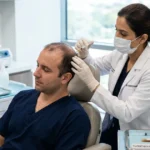
The first and most crucial step is scheduling a consultation with a certified hair transplant surgeon. During this initial meeting, the specialist will assess your hair loss condition, discuss your goals, and evaluate whether you’re a suitable candidate for using beard hair in the transplant. The surgeon will also examine your beard hair to ensure it is healthy enough for extraction.
At this stage, you will discuss the details of the procedure, including potential risks, recovery times, expected results, and costs. The specialist may also take photographs of your scalp and beard to better plan the surgery.
2. Harvesting: Beard Follicles Are Harvested Using FUE or FUT Techniques
Once you’ve been deemed a suitable candidate, the next step is harvesting the beard hair. The procedure used to extract the hair follicles depends on the technique chosen (FUE or FUT).
- Follicular Unit Extraction (FUE): In FUE, individual hair follicles are extracted directly from the beard area using a tiny, circular punch tool. This method is minimally invasive, and the hair follicles are carefully removed one by one to ensure minimal scarring. FUE is particularly effective for those who prefer a less invasive procedure and quicker recovery time.
- Follicular Unit Transplantation (FUT): In FUT, a thin strip of skin with hair follicles is surgically removed from the beard area. The strip is then dissected under a microscope to separate individual hair follicles, which are then prepared for implantation. While FUT can yield more grafts in one session, it usually leaves a linear scar where the skin was removed.
The harvesting process is done under local anesthesia, ensuring that the procedure is virtually painless. The surgeon takes great care to select healthy follicles that are most likely to thrive when transplanted to the scalp.
3. Implantation: The Harvested Hair Is Implanted Into the Scalp’s Recipient Area
After the beard hair follicles are harvested, the next step is to implant them into the recipient areas on the scalp. The surgeon will make tiny incisions in the thinning or balding areas of the scalp, where the hair follicles will be placed.
The implanted hair follicles are strategically placed to mimic the natural growth pattern of the existing scalp hair. This step requires significant precision, as the angle and direction in which the follicles are implanted are crucial for achieving a natural-looking result. The surgeon carefully ensures that the grafts are placed in a way that blends seamlessly with the surrounding hair.
Once the hair follicles are implanted, the scalp is cleaned, and a bandage may be applied to protect the area. The procedure may take several hours, depending on the number of grafts being implanted. Afterward, you can go home the same day.
Benefits of Using Beard Hair for Hair Transplants
Beard Hair Quality: Why It’s a Good Alternative
Beard hair’s thicker texture makes it a better fit for individuals needing robust hair follicles that can thrive in areas of baldness. This is especially true for people who might lack donor hair on their scalp.
Greater Availability for Those with Limited Scalp Hair
For individuals with hair loss that has progressed too far, using beard hair ensures that enough healthy follicles are available for transplant.
The Uniqueness of Beard Hair in Terms of Texture and Growth Patterns
Beard hair grows in different cycles compared to scalp hair, but it can blend well in areas with thinning hair.
Limitations and Challenges of Using Beard Hair
Here’s a table that summarizes the Limitations and Challenges of Using Beard Hair for a transplant:
| Limitation/Challenge | Description |
| Differences in Hair Texture and Growth Pattern | Beard hair is coarser and curlier compared to scalp hair, which can sometimes result in a mismatched look after transplantation. |
| Potential Risk of Rejection or Poor Growth | Beard hair might not thrive as well on the scalp, leading to poor growth or even rejection of the transplanted follicles. |
| Challenges in Matching Beard Hair to Scalp Hair | The texture and color of beard hair may not match scalp hair perfectly, and it may require multiple transplant sessions to blend naturally. |
Beard Hair Transplant vs. Scalp Hair Transplant: A Comparison
Growth Rate and Outcomes Comparison
Beard hair tends to grow at a slower rate compared to scalp hair, but it can still provide excellent results if done correctly.
Aesthetic Considerations
The thickness and texture of beard hair may affect the final aesthetic, as it may not blend as seamlessly with the natural scalp hair.
Long-Term Results and Maintenance
Beard-to-scalp transplants can offer permanent results, but it may require long-term care to maintain hair health and ensure proper growth.
Who Is a Good Candidate for Beard Hair Transplants?
People with a sufficient amount of healthy beard hair and limited scalp hair are ideal candidates for a beard hair transplant.
Factors Influencing Success
- Hair Type: Coarse beard hair is often more successful than finer hair.
- Scalp Condition: A Healthy scalp skin improves transplant success.
- Age: Younger patients generally have better outcomes.
Recovery and Aftercare for Beard Hair Transplants
The healing process after a beard hair transplant in Islamabad is similar to that of traditional scalp hair transplants. The initial healing period typically lasts about two weeks, with some swelling and discomfort possible. However, it can take anywhere from 6 to 12 months to see the full results, as hair growth continues to develop over time. During the recovery phase, it is important to avoid direct sunlight for the first few weeks and follow the prescribed medications to minimize the risk of infection. While early signs of growth can be observed within a few months, the complete thickness and density of the transplanted hair may take up to a year to fully manifest.
Cost of Beard Hair Transplants: What You Need to Know
Here’s a table summarising the Cost of Beard Hair Transplants:
| Cost Factor | Description |
| Pricing Comparison Between Scalp Hair and Beard Hair Transplants | Beard hair transplants can be more affordable in some cases due to the smaller area being treated compared to scalp hair transplants. |
| Factors Affecting the Cost | Several factors influence the cost of the procedure, including location, surgeon expertise, and the number of grafts required. |
This table clearly presents the cost aspects and factors influencing the price of beard hair transplants.
Related, How Much Does a Beard Transplant Cost?
Are Beard Hair Transplants Permanent?
Beard hair transplants are considered permanent, though maintenance is required to ensure the ongoing health of the transplanted follicles. Proper aftercare and healthy lifestyle choices help maintain the transplanted hair.
Final Thoughts
Beard hair can be used for a hair transplant with great success, but it is essential to consult with a qualified hair restoration specialist to determine if you are a good candidate. The process involves careful planning, expertise, and realistic expectations. If you’re ready to restore your hair, a beard-to-scalp hair transplant might be the solution you need.
Our expert surgeons are ready to guide you through the process and help you achieve natural, lasting results.
Frequently Asked Questions
1. How long does a beard hair transplant last?
Beard hair transplants are permanent, but they may require ongoing maintenance to ensure optimal growth.
2. Is a beard hair transplant cheaper than a scalp hair transplant?
In some cases, beard hair transplants can be more affordable, especially when fewer grafts are needed.
3. Can beard hair look unnatural on the scalp?
Beard hair can appear slightly different from scalp hair in terms of texture and growth pattern, but with the right technique, it can blend well.
4. Who is the best candidate for a beard hair transplant?
Ideal candidates have good-quality beard hair and limited scalp hair. Age, scalp health, and hair type also play a role.