Summary
A FUT hair transplant is a popular method for restoring hair, but many people wonder, “Does FUT hair transplant hurt?” The procedure is typically painless due to local anesthesia, and any discomfort afterward is manageable with pain relievers.
Recovery involves avoiding sweating and intense exercise for a few weeks, with visible results appearing in 3 to 6 months. For the best experience, follow post-surgery care tips and consult with a specialist.
Introduction
Are you considering a FUT hair transplant and wondering if the procedure will hurt? If so, you’re not alone. Many potential patients are concerned about the level of discomfort they might experience during or after the procedure.
In this article, we’ll address these concerns, explaining what to expect during a FUT hair transplant surgery, the pain management techniques available, and how to ensure a smooth recovery. By the end of this post, you’ll be better informed and prepared for your FUT hair transplant experience.
What is FUT Hair Transplant Surgery?

Overview of the FUT Technique
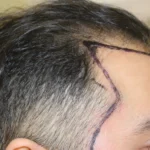
Follicular Unit Transplantation (FUT) is one of the most common hair restoration techniques used today. It involves removing a strip of hair-bearing tissue from a donor area (typically the back of the scalp), which is then dissected into individual follicular units. These units are carefully transplanted into the thinning or balding areas of the scalp.
Unlike FUE (Follicular Unit Extraction), which removes individual hair follicles, FUT provides a larger number of grafts in a single procedure, making it an ideal option for patients with extensive hair loss.
Why Choose FUT Hair Transplant?
FUT offers several benefits, including:
- Higher graft yield: Since the procedure involves a strip of tissue, more grafts can be harvested at once.
- Permanent results: As the transplanted follicles are taken from a resistant area, they are more likely to grow back and last longer.
- Cost-effective: FUT is often more affordable than other methods like FUE.
However, FUT also has a drawback of leaving a linear scar at the donor site, which can be noticeable if the hair is shaved short.
Does FUT Hair Transplant Hurt?
Pain Levels During the Procedure
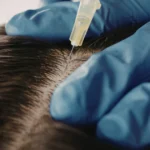
A common concern for anyone considering FUT hair transplant surgery is the level of pain they might experience during the procedure. The good news is that FUT hair transplants are generally not painful. Before starting the surgery, your surgeon will apply a local anesthetic to numb the donor and recipient areas. This ensures you won’t feel pain during the procedure. Some patients may feel slight discomfort when the anesthetic is injected, but this is typically brief and mild.
Once the anesthesia takes effect, you’ll be comfortable throughout the surgery, which usually lasts 4 to 8 hours, depending on the number of grafts being transplanted.
Immediate Post-Surgery Discomfort
After the procedure, it’s normal to experience some tenderness or discomfort in the donor and recipient areas. You may feel mild soreness, swelling, or tightness in the scalp for the first few days. However, the pain is usually manageable and can be alleviated with over-the-counter pain relievers such as ibuprofen or medications prescribed by your doctor.
Pain Management Techniques
To help manage discomfort and speed up recovery, your doctor may recommend:
- Pain relievers: Mild to moderate pain relievers are often enough to manage any soreness.
- Cold compresses: Applying cold compresses to the scalp for 15 to 20 minutes at a time can reduce swelling and help soothe the area.
- Medications: Your surgeon may prescribe stronger medications in the first few days after surgery to help control pain.
Recovery After FUT Hair Transplant Surgery
The Safe Recovery Timeline
The recovery process after FUT hair transplant surgery can vary from person to person, but here’s a general timeline:
- Days 1-3: The first few days are the most critical. You may experience swelling, redness, and mild discomfort in the donor and recipient areas. It’s essential to follow all post-operative care instructions during this time.
- Days 4-7: Swelling and redness should begin to subside. You can start gently washing your hair with a mild shampoo.
- Week 2-3: By this point, most of the swelling should be gone, and the transplanted hair follicles will start to settle into the scalp. You may notice scabs forming around the transplanted hair.
- Week 4-6: The transplanted hair may begin to shed as part of the natural hair growth cycle. This is normal and nothing to worry about. The hair follicles are still intact and will soon start producing new hair.
Tips for a Smooth Recovery
- Avoid sweating: For the first few days after surgery, avoid activities that might cause you to sweat, such as strenuous exercise or hot showers. Sweat can irritate the scalp and slow the healing process.
- Avoid touching the transplanted area: It’s important not to touch, scratch, or rub the transplanted area to avoid disturbing the follicles.
- Gentle hair washing: Use gentle shampoo and lukewarm water when washing your hair during the recovery period.
When Can You Resume Exercise After FUT Surgery?
After a FUT hair transplant, you’ll need to avoid intense physical activity, especially exercise that causes sweating, for at least 2 weeks. Light activities like walking are fine after a few days, but you should wait for your doctor’s approval before engaging in more strenuous exercises. Avoid contact sports and heavy lifting for at least 3-4 weeks to ensure proper healing and avoid putting pressure on the transplant sites.
The Role of Diet and Hydration in Recovery
A healthy diet plays an essential role in your recovery. Eating a balanced diet rich in vitamins and minerals, such as Vitamin A, Vitamin C, and Biotin, can support hair growth and overall recovery. Stay hydrated to keep your scalp moisturized and promote optimal healing.

Frequently Asked Questions (FAQs)
How long does the pain last after a FUT hair transplant?
The pain associated with FUT hair transplants is usually minimal and should subside within a few days. Any discomfort after the procedure can be managed with prescribed pain relievers.
Can FUT hair transplant surgery cause scarring?
Yes, FUT involves removing a strip of tissue, which will leave a linear scar in the donor area. However, this scar is typically hidden by surrounding hair, especially when the hair is kept at a longer length.
Is FUT hair transplant suitable for everyone?
FUT is ideal for people with extensive hair loss and those who want to maximize the number of grafts transplanted in one session. It’s not suitable for individuals who prefer shorter hairstyles due to the visible scar.
How soon can I see results from my FUT hair transplant?
Initial results are usually visible 3 to 6 months after surgery. Full results typically take 12 to 18 months as the transplanted hair matures.
Can I go back to work immediately after FUT surgery?
It depends on your job and the level of physical activity required. If your job is not physically demanding, you may return to work within a few days. However, if your work involves heavy lifting or physical activity, it’s best to wait for at least 2 weeks.
Next Step
Ready to take the next step toward fuller, more natural-looking hair? Book a consultation with our hair transplant specialists today. Our experienced team will guide you through every stage of your FUT hair transplant, from understanding the procedure to ensuring a smooth recovery. Let us help you restore your hair and confidence. Schedule your consultation today.