Summary
What Happens to the Donor Area After a Hair Transplant? After a hair transplant, the donor area plays a crucial role in the success of the procedure. The healing process involves several stages, including swelling, scabbing, and eventual recovery.
It typically takes 3 to 6 months for the donor area to fully heal, with proper aftercare being key. Understanding what happens to the donor area after a hair transplant helps ensure a smooth and successful recovery.
Introduction
Undergoing a hair transplant is an exciting journey toward regaining a fuller head of hair. However, many individuals worry about what happens to the donor area the part of the scalp where hair follicles are taken from.
If you’re concerned about the donor area’s recovery, this article will provide you with a clear understanding of the healing process, expert recovery tips, and everything you need to know to ensure a smooth post-surgery experience.

Understanding the Donor Area in Hair Transplants
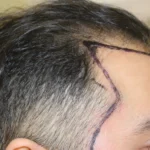
The donor area is a crucial part of any hair transplant procedure. It refers to the section of the scalp where hair follicles are harvested to be transplanted into thinning or bald areas. Typically, this area is located at the back and sides of the head, where hair is more resistant to balding.
During the transplant, hair follicles are extracted using two main methods: Follicular Unit Extraction (FUE) and Follicular Unit Transplantation (FUT). FUE involves removing individual follicular units, while FUT involves extracting a strip of scalp tissue containing hair follicles.
Why is the Donor Area Important?
The donor area plays a significant role in the success of the transplant. It is selected for its robustness, ensuring that healthy follicles are transferred to the areas that need them the most. The health of the donor area directly impacts the outcome of the procedure, both in terms of graft quality and recovery.
What Happens Immediately After a Hair Transplant?
The first 24–48 hours post-surgery are critical for both the donor and recipient areas. Right after the transplant, the donor area may feel sore and swollen. This is completely normal and is usually managed by your surgeon with pain-relieving medications.
What to Expect in the First Days:
- Swelling: It’s common for the donor area to swell, especially if FUT was performed. The swelling may extend to the forehead and eyes.
- Tenderness: You may experience some tenderness and discomfort around the donor area.
- Scabbing: Tiny scabs will form at the extraction sites where the hair follicles were removed.
Expert Tip: Avoid touching or scratching the donor area to prevent infection. Use prescribed medications and follow post-surgery guidelines to manage any discomfort.
How Does the Donor Area Heal Over Time?
The healing of the donor area typically occurs in several stages:
- First Week:
- The donor area will form scabs that may itch.
- You should avoid getting the area wet for the first few days and refrain from vigorous activities that could irritate it.
- Two to Four Weeks:
- The scabs will naturally fall off, revealing healed follicles.
- Some shedding of the transplanted hair may occur during this phase, but this is part of the natural cycle.
- One to Three Months:
- At this stage, hair growth should be visible in the donor area, and the skin will have returned to a near-normal state.
- Any redness or minor discoloration typically fades away.
How Long Should You Avoid Sweating After a Hair Transplant?
Sweating can be detrimental to the donor area in the early stages of recovery. Excessive sweating can cause irritation, clog the hair follicles, and lead to infections or poor healing.
Why Is Sweating Bad?
Sweat contains salt and bacteria, which can irritate the grafts and increase the risk of infection. Therefore, it’s crucial to avoid sweating during the first few weeks after surgery.
How Long Should You Avoid Sweating?
- First Week: Completely avoid activities that can cause sweating, including vigorous exercise, hot showers, or exposure to heat.
- Two to Four Weeks: Gradually resume light activities, but still avoid anything that induces heavy sweating (e.g., running, intense cardio).
Expert Tip: For the first few days, consider using a gentle, non-alcoholic facial wipe to keep your face clean without irritating the donor area.
Can I Exercise After a Hair Transplant?
Physical activity is an important part of a healthy lifestyle, but after a hair transplant, you’ll need to be cautious.
When Can I Resume Exercise?
- First Week: Avoid all forms of strenuous exercise to prevent sweating and unnecessary strain on the donor area.
- After Two Weeks: You can begin light exercises such as walking or gentle stretching.
- After One Month: If healing is progressing well, you can gradually return to moderate exercise like jogging or swimming.
Pro Tip: Listen to your body and only engage in physical activity when you feel comfortable. Overexerting yourself could delay healing and affect the overall outcome of your transplant.
Expert Recovery Tips for the Donor Area
Proper aftercare is vital for ensuring the health and appearance of your donor area. Here are some expert recovery tips to speed up the healing process:
- Follow Post-Operative Care Instructions:
Your surgeon will provide detailed care guidelines. Make sure to follow them carefully to prevent complications. - Use Recommended Medications:
Painkillers, antibiotics, and any prescribed ointments will help reduce pain and prevent infection. - Sleep with Your Head Elevated:
For the first few nights, sleep with your head elevated to reduce swelling in the donor area. - Avoid Sun Exposure:
Protect the donor area from direct sunlight, as UV rays can irritate the skin and slow down healing.

When Can You Expect Full Healing of the Donor Area?
It typically takes three to six months for the donor area to fully heal. By this time, you should be able to return to normal activities, and any scarring or discoloration should be completely gone.
Healing Milestones:
- One to Three Months: The skin in the donor area will regain its natural tone, and any scarring from the extraction sites will begin to fade.
- Six Months: Full healing, with minimal scarring, and hair growth in the donor area should be visible.
Pro Tip: Patience is key. While it may take time, the donor area will heal well if you follow proper aftercare guidelines.
FAQs:
Q1: How long does it take for the donor area to heal completely?
It takes about three to six months for the donor area to fully heal. During this time, you will gradually see improvements in the skin and hair growth.
Q2: Will there be noticeable scarring on the donor area?
Scarring is usually minimal, especially with the FUE method. Most scars are tiny and fade significantly over time.
Q3: Can I wear a hat after a hair transplant?
You can wear a hat after a few weeks, but it should be loose and soft to avoid irritating the donor area.
Q4: When can I get a second transplant if I don’t like the results of the first one?
You should wait at least six months to one year before considering a second transplant, allowing the donor area to fully recover.
Caring for the Donor Area for the Best Results
The recovery of the donor area is just as important as the recovery of the transplanted areas. By following proper aftercare guidelines and being patient, you can ensure that your donor area heals quickly and efficiently.
Book a consultation with Vagus Hair Transplant in Islamabad today to ensure a smooth and successful recovery after your hair transplant. Our experts will guide you through every step of the recovery process to help you achieve the best results possible.