Summary
This guide explores whether taking Finasteride after a hair transplant is necessary for optimal results. It explains how Finasteride helps prevent hair loss, supports transplanted hair, and improves overall regrowth.
The article also discusses alternative treatments, expert recovery tips, and potential side effects. Finally, it emphasizes the importance of consulting a doctor to determine the best post-transplant care plan.
Introduction
If you’re considering a hair transplant, one common question that may come up is whether you need to take Finasteride after the procedure. Finasteride is often discussed in the context of maintaining hair restoration results, but is it necessary following a hair transplant?
In this article, we’ll discuss the role of Finasteride in post-transplant care, the benefits it may offer, and whether it’s the right choice for you. By the end, you’ll have a clearer understanding of how to support your hair transplant results effectively.
Understanding Finasteride and Its Role in Hair Restoration

What Is Finasteride?
Finasteride is a prescription medication commonly used to treat male pattern baldness (androgenic alopecia). It works by inhibiting the enzyme 5-alpha-reductase, which converts testosterone into dihydrotestosterone (DHT), the hormone responsible for hair follicle shrinkage. By blocking DHT production, Finasteride helps to slow hair loss and, in some cases, promotes hair regrowth.
Common Brand Names:
- Propecia (for hair loss)
- Proscar (for prostate enlargement)
How Does Finasteride Work?
Finasteride works by reducing the levels of DHT in your body, a hormone that can shrink hair follicles and prevent hair from growing. With a reduction in DHT, the hair follicles remain healthy and can continue to produce hair, potentially even stimulating new growth. This makes Finasteride an essential treatment option for those seeking to maintain their hair after a transplant.
Should You Take Finasteride After a Hair Transplant?
The Importance of Post-Transplant Care
After a hair transplant, the newly transplanted follicles need time to establish themselves and start producing hair. The recovery process typically takes around 6 to 12 months, and during this time, it’s crucial to follow a strict post-care regimen to ensure optimal results.
Important Post-Transplant Steps:
- Avoid direct sun exposure on the scalp.
- Refrain from strenuous activities for at least a few weeks.
- Follow the prescribed medication regimen, which may include Finasteride.
How Finasteride Can Support Your Hair Transplant Results
Taking Finasteride after your hair transplant can help in several ways:
- Prevents Further Hair Loss: While your newly transplanted hair should remain unaffected, Finasteride can help prevent existing hair from shedding, ensuring long-term results.
- Improves the Success Rate of Transplant: By keeping the remaining hair healthy and stimulating growth around the transplanted follicles, Finasteride can improve the overall density and quality of your hair.
- Enhances Regrowth: If combined with treatments like Minoxidil or PRP, Finasteride can potentially accelerate the regrowth of transplanted hair.
Risks and Side Effects of Taking Finasteride
Although Finasteride is effective for many people, it’s important to understand the potential risks and side effects. Some individuals experience:
- Sexual Side Effects: Decreased libido, erectile dysfunction, or ejaculation issues.
- Mood Changes: Some users report depression or anxiety.
- Other Side Effects: Rashes, dizziness, or breast tenderness (less common).
Before starting Finasteride, it’s essential to consult with your doctor to evaluate whether the benefits outweigh the potential risks.
Alternative Treatments to Consider Post-Transplant
Minoxidil: Another Option for Hair Regrowth
Minoxidil, commonly known as Rogaine, is an over-the-counter topical solution used to treat hair loss. Unlike Finasteride, which works systemically, Minoxidil works locally by stimulating hair follicles. It can be used alongside Finasteride for enhanced results, particularly for regrowth around the transplant site.
Benefits:
- Promotes hair regrowth on thinning areas.
- Can be used in conjunction with Finasteride for a comprehensive treatment plan.
Platelet-Rich Plasma (PRP) Therapy
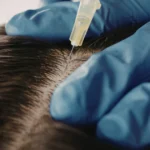
PRP therapy is a natural treatment where a person’s own blood is drawn, processed, and injected into the scalp to stimulate hair follicles. It has shown promising results when used post-transplant to accelerate healing and support new hair growth.
Benefits:
- Speeds up recovery.
- Enhances the success of hair transplants.
Healthy Lifestyle and Nutrition Tips for Hair Health
A healthy diet can also play a critical role in supporting the results of your hair transplant. Ensure you’re getting plenty of:
- Vitamins: Especially Vitamin D, Biotin, and Vitamin E.
- Minerals: Iron, zinc, and magnesium.
- Healthy Fats: Omega-3s found in foods like fish, nuts, and seeds.
Pro Tip: Hydrate well and avoid stress, both of which can negatively impact hair health.

Expert Tips for Optimizing Your Hair Transplant Results
Safe Recovery Timeline and Precautions
After a hair transplant, it’s essential to follow the proper recovery timeline to ensure that your transplanted follicles stay safe. Here’s what to expect:
- First 2 Weeks: Avoid any activity that causes sweating or excessive physical strain.
- Weeks 3-4: Start light physical activities but avoid heavy exercise.
- Months 3-6: The hair follicles begin to settle and start producing new hair.
When Can You Resume Exercising After a Hair Transplant?
While light exercise can be resumed after 3-4 weeks, heavy workouts should be avoided for at least 2-3 months. Sweating can irritate the scalp and disrupt healing, so it’s important to ease back into physical activity slowly.
Hair Maintenance Beyond Finasteride: Lifestyle Considerations
In addition to medications like Finasteride, maintaining a balanced lifestyle is key:
- Manage Stress: Chronic stress can hinder hair growth and damage the scalp.
- Sleep Well: Sleep is essential for the body to repair and regenerate hair follicles.
- Avoid Smoking: Smoking reduces blood circulation, affecting hair growth.
Frequently Asked Questions (FAQs)
Is Finasteride Necessary for Everyone After a Hair Transplant?
Finasteride isn’t required for everyone, but it is highly recommended if you’re experiencing ongoing hair loss and want to protect the transplanted hair. Your doctor will assess your specific situation and recommend the best course of action.
Can Finasteride Cause Any Long-Term Side Effects?
While some people experience side effects, these are generally rare and may subside after discontinuation. It’s essential to consult with your doctor if you have any concerns.
How Soon After a Hair Transplant Should I Start Finasteride?
Your doctor will advise when to begin Finasteride, typically after the initial healing period (usually 3-6 months post-transplant). Starting too early may interfere with the recovery process.
Are There Any Natural Alternatives to Finasteride?
Some people prefer natural alternatives like saw palmetto or biotin supplements. However, these may not be as effective as Finasteride. Always consult a specialist before trying alternatives.
Making the Best Choice for Your Hair Transplant Recovery
When Should You Talk to Your Doctor About Finasteride?
Before making any decision, consult your hair transplant surgeon to discuss whether Finasteride is right for you. They will provide personalized advice based on your recovery progress and hair goals.
While Finasteride isn’t always necessary after a hair transplant, it can help maintain and enhance your results. Always weigh the potential benefits against the risks, and follow your doctor’s recommendations for the best outcome.
Looking for personalized advice on how to optimize your hair transplant recovery? Book a consultation with our specialists today to determine the best course of action for your unique needs. We’re here to help you maintain your results and make informed decisions on your hair restoration journeny.