Summary
The FUE hair transplant growth timeline follows a gradual process, with noticeable results typically seen around 12 months. In the first few months, you may experience shock loss, followed by the appearance of fine, thin hairs.
By month 7 to 9, hair becomes thicker and more noticeable, with full results achieved by the 12-month mark. Understanding the FUE hair transplant growth timeline helps set realistic expectations and ensures optimal recovery.
Introduction
Considering a Follicular Unit Extraction (FUE) hair transplant? If you’re wondering when you’ll start seeing results, you’re not alone.
This detailed guide covers the hair growth timeline following an FUE procedure, helping you manage expectations from surgery to the final result. Understanding each stage of the recovery process will help you make informed decisions and ensure a smoother recovery.
The First Week After FUE Surgery
Immediate Post-Operative Care
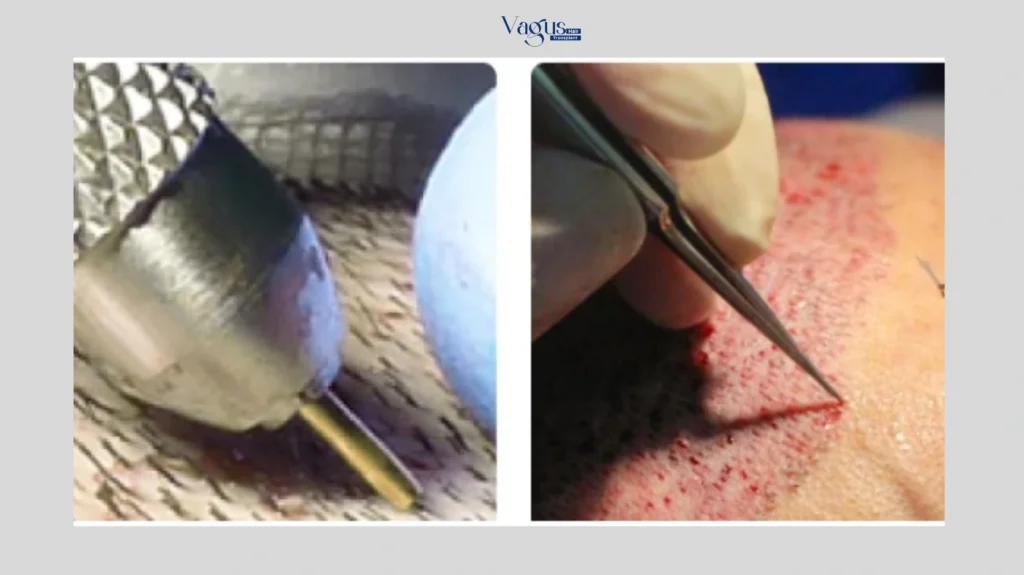
The first week after an FUE hair transplant is critical for healing and graft survival. Immediately following the procedure, you may experience mild redness, swelling, and tenderness around the donor and recipient areas. These symptoms typically subside within a few days. Tiny scabs will form around the transplanted follicles this is normal and should not be picked or scratched. The scalp can feel tight, and mild pain may occur, but it can usually be managed with prescribed medications.
Pro Tip: Keep your head elevated while sleeping for the first few days to reduce swelling. Avoid touching or rubbing the transplant area during this phase.
Importance of Proper Aftercare
Proper aftercare is crucial for the success of your transplant. Following your surgeon’s guidelines will help avoid infection and ensure the best possible results. During this period, refrain from washing your scalp or using harsh products unless instructed otherwise. Additionally, do not expose your scalp to direct sunlight or strenuous activity.
Month 1–3: The Dormancy Phase
Understanding Shock Loss
In the first few weeks, it’s completely normal for some of the transplanted hair to fall out. This is known as “shock loss.” It can be unsettling to see your newly transplanted hair shed, but don’t worry this is a temporary phase. Your transplanted hair follicles are entering a resting period, and the new hair will grow back in time.
Patience During the Waiting Period
During the first 2-3 months, you may notice very little visible hair growth. This can be frustrating, but it’s crucial to remain patient and consistent with your aftercare routine. This is a key period when your hair follicles are healing, and any premature judgment about the transplant’s success should be avoided.
Month 4–6: Early Signs of New Growth
Fine, Thin Hairs Appear
Around 4 months after surgery, you’ll start seeing the first signs of new hair growth. The hairs may be fine, light, and soft at first, but this is completely normal. These early hairs are often less pigmented and finer in texture compared to the rest of your hair.
Pro Tip: Continue to follow your surgeon’s aftercare guidelines and avoid unnecessary hair treatments or heat styling that could disrupt the growth process.
Continued Healing of Donor Area
By this point, the donor area should have fully healed, with no visible signs of scarring. Scarring is minimal in FUE procedures, and any residual marks should blend well with the natural scalp. As the new hair starts to grow, the results from the donor area will become less noticeable.
Month 7–9: Noticeable Improvement
Thicker and Darker Hairs
Between months 7 to 9, you’ll begin to see noticeable improvements in hair thickness and texture. The fine, thin hairs from earlier will gradually become thicker and darker. At this point, your hair will start to look fuller, and you’ll likely feel more confident with your appearance.
Styling Becomes Easier
As your hair grows and thickens, styling becomes easier. Your hair will begin to look more natural and blend seamlessly with your existing hair. The initial concerns about uneven growth and patchiness should diminish by this stage.
Month 10–12: Final Results
Full Maturation of Transplanted Hairs
By the time the 12-month mark arrives, your hair will have fully matured. The transplanted follicles will now produce hair that matches the texture, color, and thickness of your natural hair. The final results will be evident, and any minor patchiness or unevenness that existed earlier will have resolved.
Expert Insight: “Full maturation of the hair follicles often takes up to 12 months. During this time, you’ll see the hair gain fullness and become more cohesive with the rest of your natural hair,” explains Dr. Irfan.
Long-Term Maintenance
While your hair will look fully grown and natural by the 12-month mark, it’s essential to continue maintaining healthy habits to support the longevity of your results. Follow-up appointments with your surgeon can help assess the success of the transplant and address any concerns.
Factors Influencing Hair Growth After FUE
Individual Healing Rates
Each person heals at a different rate, and factors such as age, genetics, and overall health can affect how quickly you’ll see results. Younger individuals and those with good overall health tend to experience quicker healing and faster hair growth.
Pro Tip: Eat a balanced diet rich in vitamins like biotin and vitamin D to support your hair’s growth.
Surgeon Expertise
The experience and skill of your surgeon play a significant role in the success of the transplant. More experienced surgeons use advanced techniques that reduce trauma to the scalp, leading to better hair growth.
Post-Operative Care
Adhering to your post-op care instructions is one of the most important factors in ensuring the success of your FUE transplant. Following the advice on hair washing, avoiding excessive sun exposure, and steering clear of physical activity can all impact your final results.
Expert Tips for a Successful FUE Recovery
- Maintain a healthy diet: Ensure you’re consuming enough nutrients to support hair growth.
- Avoid smoking and excessive alcohol: These can impair circulation and hinder hair growth.
- Protect your scalp from sun exposure: Use a mild sunscreen to protect your new hair from UV damage.
- Stay stress-free: High levels of stress can impact hair growth. Engage in activities that help you relax.

Frequently Asked Questions (FAQs)
When will I see the first signs of hair growth?
You can expect to see initial signs of new growth around 3-4 months after surgery, though it will be fine and thin at first.
Is it normal to experience hair shedding after the procedure?
Yes, hair shedding is common within the first month after the transplant. This is a temporary phase as the follicles enter a resting state.
How long will it take to see full results?
Full results are usually visible between 12-18 months post-surgery. Hair thickness and density improve gradually over this period.
Are there any risks associated with FUE hair transplants?
While FUE hair transplants are generally safe, there are risks such as infection, poor graft survival, or scarring. Consult your surgeon about any concerns.
Next Step
Understanding the FUE hair transplant growth timeline helps set realistic expectations for the recovery process. By being patient and following the proper aftercare, you can enjoy a natural, full head of hair. Remember, full results take time, but the journey is worth the wait.
Ready to take the next step in your hair restoration journey? Schedule a consultation with our experienced team today and learn how FUE hair transplants can help you achieve a fuller, more confident look