Summary
Maintaining the results after a FUE hair transplant is essential to ensure the long-term success of the procedure. In this article, we explore how to maintain results after FUE Hair Transplant, providing step-by-step tips, expert insights, and best practices for post-surgery care. From recovery timelines to effective hair care routines and lifestyle adjustments, this guide will help you maximize your transplant’s success and keep your hairline looking its best for years to come.

Introduction
Undergoing a FUE hair transplant is a significant step toward restoring your hairline, but the journey doesn’t end with the procedure. Hair restoration maintenance after FUE is crucial to ensure that the transplanted hair continues to grow healthily and naturally. In this guide, we’ll explore everything you need to know about maintaining your transplant results, including the post-operative care, hair growth tips, and essential steps to ensure long-term success. By following these best practices, you can enjoy a full and natural hairline for years to come.
What Is FUE Hair Transplant and Why Maintenance Matters?
Understanding the FUE Procedure and Its Benefits
Follicular Unit Extraction (FUE) is a minimally invasive hair transplant method that involves harvesting hair follicles from the back or sides of the head and transplanting them to thinning or balding areas. This technique provides natural-looking results with minimal scarring, making it a popular choice for hair restoration.
The key benefits of FUE hair transplant include:
- Minimal scarring: The procedure leaves tiny, dot-like scars that are hardly noticeable.
- Natural results: The transplanted hair grows naturally, blending seamlessly with the existing hair.
- Faster recovery: Compared to other methods like FUT, FUE has a quicker recovery time.
However, achieving lasting results requires consistent care and maintenance. After the procedure, the transplanted hair follicles need time to heal, and proper maintenance ensures they grow successfully.
The Importance of Aftercare for Successful Hair Restoration
Hair restoration maintenance after FUE is critical for several reasons:
- Maximizing growth: Proper care encourages transplanted follicles to thrive and produce healthy hair.
- Preventing complications: Inadequate aftercare can lead to infections, graft rejection, or poor hair growth.
- Long-term results: Consistent maintenance ensures the transplanted hair stays strong, healthy, and natural-looking.
By following aftercare guidelines, you ensure that your newly transplanted hair grows properly, leading to the best possible results.
FUE Hair Transplant Aftercare: What to Do Immediately After the Procedure
First 24-48 Hours: What to Expect
The first 24-48 hours after your FUE hair transplant are crucial for the success of the procedure. During this period, it’s essential to follow the aftercare instructions provided by your surgeon to ensure the best healing environment for the transplanted follicles. Here’s what to expect:
- Post-operative instructions: Your surgeon will provide specific guidelines on how to cleanse and protect your scalp during the first two days.
- Sleeping position: Keep your head elevated to reduce swelling and protect the transplant site.
- Avoid touching the transplanted area: Do not scratch, rub, or touch the newly transplanted follicles, as it could damage them.
During this time, some swelling and redness around the transplanted area are normal, but following your aftercare instructions will help minimize these effects.
Post-Transplant Care: Day 3 to Week 2
Once the initial 48 hours have passed, you can begin washing your scalp gently. Here’s what to focus on during this recovery period:
- Gentle washing: Use a mild, sulfate-free shampoo to cleanse the scalp without disrupting the grafts.
- Avoid physical stress: Refrain from activities that could cause sweating or physical strain on the scalp, such as heavy exercise.
- Medication: Continue using any prescribed antibiotics or anti-inflammatory medication as directed by your surgeon to prevent infection and reduce swelling.
By following these instructions, you give your transplanted hair the best chance to settle in and begin the growth phase.
Post-FUE Hair Care Routine for Long-Term Success
Best Products for Post-FUE Hair Care
Using the right hair care products is essential for ensuring the health and growth of your transplanted hair. After your FUE hair transplant, here’s what to look for:
- Sulfate-free shampoos: These are gentler on the scalp and won’t irritate the sensitive skin around the transplanted follicles.
- Moisturizing treatments: Scalp hydration is important for keeping the skin soft and promoting healing. Look for products that contain vitamin E or aloe vera.
- Hair growth serums: Some post-transplant serums contain ingredients like minoxidil or biotin to support hair regrowth and follicle health.
Consult with your surgeon or a dermatologist to recommend the best products suited for your scalp and hair type.
How to Keep Your Scalp Healthy
Maintaining scalp health is key to promoting hair growth. Here’s how you can ensure your scalp remains in optimal condition:
- Massage your scalp: Gently massaging your scalp for a few minutes each day can help stimulate blood circulation and promote hair growth.
- Avoid harsh treatments: After your transplant, avoid using styling products with chemicals or heat tools that could damage the transplanted follicles.
Maintaining Hair Growth After FUE Hair Transplant
How to Prevent Hair Loss After Your Transplant
To maintain the growth of your transplanted hair, follow these tips:
- Healthy diet: A diet rich in vitamins like biotin, vitamin D, and zinc can enhance hair growth.
- Manage stress: Stress is a major contributor to hair loss, so practicing stress-reduction techniques like yoga or meditation can help maintain healthy hair.
- Regular trims: While your transplanted hair is still in the early stages of growth, regular trims can help keep your hair looking healthy and prevent breakage.
Long-Term Hair Maintenance and Growth Tips
Consistency is key. Here are a few long-term tips to ensure the health of your transplanted hair:
- Continue using recommended products: Stick to the hair care products recommended by your surgeon to keep your scalp in good condition.
- Avoid over-exposure to the sun: Always wear a hat or sunscreen to protect your scalp from UV damage, especially in the first few months after surgery.
The FUE Hair Transplant Healing Process: What to Expect
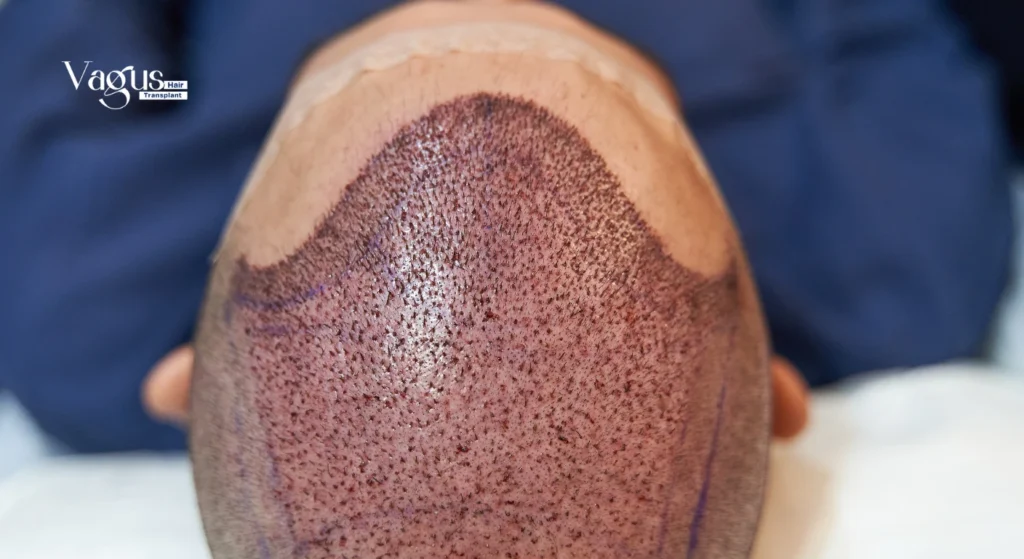
Healing Timeline: From Initial Recovery to Full Results
The healing process after an FUE hair transplant can take several months. Here’s what to expect:
- 0-3 months: Transplanted hair may shed initially, which is normal as the follicles enter the resting phase.
- 3-6 months: New hair growth will begin to emerge, though it may be thin initially.
- 6-12 months: Full results will begin to show, with thicker and stronger hair that blends seamlessly with your natural hair.
Signs of Complications and How to Address Them
While complications are rare, it’s important to know what to look for:
- Infections: If you notice increased redness, pus, or swelling, consult your surgeon immediately.
- Scarring: If the transplant site is healing poorly, your surgeon may offer advice on how to improve the recovery process.
Scalp Care After FUE Transplant: Best Practices for Healthy Hair
Protecting Your Scalp in the Early Stages
In the early recovery stages, protecting your scalp is essential. Here’s how:
- Wear loose hats to shield your scalp from the sun.
- Avoid touching the scalp with unwashed hands to prevent infection.
Maintaining Healthy Scalp Conditions for Hair Growth
Keep your scalp healthy in the long run by:
- Use moisturizing treatments to prevent dryness and irritation.
- Regular scalp exfoliation (after full recovery) can help remove dead skin cells and stimulate circulation.
How to Protect Transplanted Hair and Maintain FUE Results
Avoiding Excessive Stress on Transplanted Hair
Protecting your hair from physical damage is critical:
- Avoid tight hairstyles or excessive tension on the scalp.
- Use gentle hair brushes that won’t tug on the follicles.
Post-Transplant Exercise and Sweat Management
Excessive sweat can irritate the scalp and affect healing. Here’s how to manage:
- Wait 2-4 weeks before engaging in strenuous exercise to allow the grafts to settle.
- If you sweat excessively, gently cleanse the scalp with a soft cloth to avoid irritation.
FUE Transplant Results Maintenance: How to Keep Your Hairline Healthy
Long-Term Maintenance: Is Another Session Necessary?
Most people achieve full, permanent results after their first FUE hair transplant. However, some may need a touch-up session years later if hair thinning continues. Regular check-ups with your surgeon will help you maintain results.
Protecting Your Hairline in the Long Run
For continued success, ensure:
- Healthy lifestyle choices to maintain hair density.
- Regular scalp checks to monitor the health of your follicles.
How to Maximize FUE Transplant Success: Expert Tips
Follow Your Surgeon’s Post-Operative Advice
Adherence to post-surgery advice is essential for optimal results. Always consult your surgeon before making changes to your recovery routine.
Stay Consistent and Patient
Hair regrowth takes time. The key to long-term success lies in consistent care, patience, and following all recovery guidelines.
FAQs
How Long Does It Take to See Full Results from an FUE Hair Transplant?
Full results are typically visible after 9-12 months.
Can I Use Hair Styling Products After FUE?
It’s best to avoid hair styling products until the scalp has fully healed.
How Can I Prevent Hair Loss After FUE?
Maintain a healthy diet, manage stress, and follow your surgeon’s aftercare guidelines.
When Can I Start Exercising After My FUE Hair Transplant?
Light exercise can typically be resumed after 2-4 weeks, but avoid sweating heavily.
Conclusion
FUE hair transplant provides a long-lasting solution for hair restoration, but maintaining those results requires consistent care and proper aftercare. By following the outlined recovery steps, using the right products, and being patient, you can enjoy a healthy, natural hairline for years to come.
Book a Free Consultation with Our Experts at Vagus Hair Transplant Today to Discuss Your FUE Hair Transplant!Let our team guide you through every step of your hair restoration journey.