A beard transplant is a cosmetic procedure where hair follicles are transplanted from the scalp to areas with thin or no facial hair. How does a beard transplant work?
It involves extracting hair follicles from the donor area, preparing them for implantation, and carefully placing them in the beard region for natural growth. The procedure offers a permanent solution to achieve a fuller, more defined beard, with results visible within 6–12 months.
Introduction
If you’ve been struggling with patchy or thin facial hair, you’re not alone. Many men experience difficulties growing a full beard, but a beard transplant could be the solution you need. So, how does a beard transplant work?
This guide will take you through the process step by step, highlighting the benefits, recovery process, and expert insights to help you decide if this procedure is right for you. With the right information, you can regain a natural-looking, fuller beard and boost your confidence.

What Is a Beard Transplant?
A beard transplant is a cosmetic procedure designed to help men achieve fuller, thicker facial hair. The process involves extracting hair follicles from areas with dense hair growth (typically the scalp) and transplanting them into areas of the face with thin or no hair.
There are two main techniques used for beard transplants:
- Follicular Unit Extraction (FUE): In this method, individual hair follicles are removed from a donor area and directly implanted into the recipient area on the face. It’s minimally invasive and leaves very little scarring.
- Follicular Unit Transplantation (FUT): This involves removing a strip of scalp tissue, extracting the follicles, and then transplanting them into the beard area. This method may leave a scar, but it’s often more suitable for large areas of hair restoration.
Benefits of a beard transplant include:
- Natural-looking results
- Long-lasting effects
- Minimal downtime and scarring
How Does a Beard Transplant Work?
A beard transplant is a straightforward, well-established procedure, but understanding the steps involved can help you feel more confident about your decision. Here’s a breakdown of the process:
Step-by-Step Process of a Beard Transplant
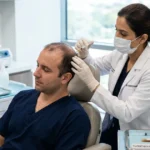
- Initial Consultation
The first step is meeting with a qualified surgeon who specialises in hair restoration. During this consultation, the surgeon will assess your beard growth pattern, hair density, and facial structure to create a personalised treatment plan. - Donor Hair Extraction
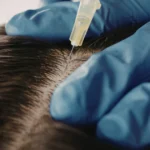
Once you’ve been approved for the procedure, the surgeon will harvest hair follicles from your donor area, typically located on the back or sides of the scalp. The number of grafts needed depends on the size of the area being treated. - Graft Preparation and Implantation
After extracting the follicles, they are carefully prepared for implantation. The surgeon then makes small incisions in the beard area and implants the follicles one by one. This process ensures that the hair grows in a natural, directionally appropriate pattern. - Post-Surgery Care
After the procedure, you’ll need to follow your surgeon’s aftercare instructions to ensure proper healing and maximise the success of the transplant. This typically involves avoiding sweating, keeping the area clean, and taking prescribed medications.
Local vs. General Anaesthesia: What to Expect During the Procedure
A beard transplant is typically performed under local anaesthesia, which numbs the treatment area. This allows you to remain awake and relaxed throughout the procedure, which can last anywhere from 4 to 8 hours, depending on the complexity and number of grafts.
Beard Transplant Cost Factors
The cost of a beard transplant can vary depending on several factors:
- Procedure Type: FUE tends to be more expensive than FUT due to the precision required.
- Surgeon’s Expertise: Experienced surgeons may charge more for their services.
- Location: Prices can also vary based on where the procedure is performed.
In general, expect to pay between $3,000 and $8,000 for the procedure.
What to Expect After a Beard Transplant?
The recovery process after a beard transplant is crucial for achieving the best results. Here’s what you can expect:
Beard Transplant Recovery Timeline
- First 24 hours: Immediately after the procedure, there may be some swelling, redness, or mild discomfort in the treated area. This is normal and should subside within a few days.
- First week: You’ll need to avoid touching or scratching the transplanted area. The donor site on your scalp may have small scabs that will begin to fall off in the first week.
- 1 month: By the end of the first month, the newly transplanted hairs may begin to shed. This is a normal part of the growth cycle, and new hairs will start to grow in their place.
- 3 months and beyond: By the third month, you’ll start seeing noticeable growth in the transplanted area. Full results typically take around 6 to 12 months to become fully visible.
Post-Procedure Beard Care Tips
Proper care is essential for a successful recovery. Here are some key tips to follow:
- Washing and Grooming: Avoid washing your face for the first few days, and gently clean the area using mild shampoo or a prescribed cleanser.
- Avoiding Sweating: Sweat can damage newly transplanted follicles, so it’s crucial to avoid strenuous physical activity for at least two weeks after the procedure.
- Preventing Infection: Keep the area clean and follow all prescribed medications to avoid infection or complications.
How Long Will It Take for Your Beard to Grow?
After the transplant, you may notice shedding in the first few weeks as the hair follicles settle into their new location. New hair will begin growing after about 3 months, but it can take up to a year for your full beard to grow in. Patience is key!
Expert Tips for a Successful Beard Transplant Recovery
Why Avoid Sweating After a Beard Transplant?
Sweating can damage the newly transplanted follicles and lead to poor growth or infection. It’s important to refrain from intense physical activity or exposing your face to extreme heat during the early recovery period.
How Long Should I Avoid Sweating?
It’s generally recommended to avoid sweating for at least two weeks after the procedure. This gives the grafts time to properly integrate into the skin.
When Can I Exercise Again?
Light exercises like walking can usually be resumed within a few days after surgery, but high-intensity activities like running or lifting weights should be avoided for at least 2–3 weeks to prevent sweating and strain on the grafts.
Tips for Ensuring a Smooth Recovery
- Stay hydrated and eat a balanced diet to promote healthy healing.
- Follow up with your surgeon to ensure everything is healing properly.
- Avoid touching or scratching the transplant area to prevent displacement of grafts.

Common Beard Transplant FAQs
Is a Beard Transplant Permanent?
Yes, the results of a beard transplant are permanent. The transplanted hair follicles are taken from areas that are genetically resistant to balding, so they will continue to grow throughout your life.
Will a Beard Transplant Look Natural?
When performed by an experienced surgeon, a beard transplant can produce very natural-looking results. The transplanted hair will grow in the same direction as your natural beard, ensuring a seamless look.
Can I Shave or Trim After a Beard Transplant?
You can resume shaving or trimming your beard after the initial healing period, typically after 2–3 weeks. However, it’s important to be gentle to avoid damaging the transplanted hair.
What Are the Risks and Side Effects of a Beard Transplant?
Like any surgical procedure, a beard transplant carries some risks, such as infection, scarring, and unnatural hair growth patterns. However, these risks are minimal when the procedure is performed by a skilled surgeon.
How Much Does a Beard Transplant Cost?
Beard transplant costs vary widely but generally range from $3,000 to $8,000 depending on the technique used, the number of grafts, and the surgeon’s expertise.
Is a Beard Transplant Right for You?
A beard transplant can be an excellent solution for those looking to achieve a fuller, more natural beard. If you’re considering the procedure, make sure to consult with a qualified surgeon who specialises in hair restoration to ensure the best results.
Are you ready to restore your confidence with a fuller, natural-looking beard? Book a consultation with our specialist today to learn more about the beard transplant procedure and how we can help you achieve your desired results.